From the file. Written for the paper dated October 2011. Opened in the public stacks July 14, 2026.
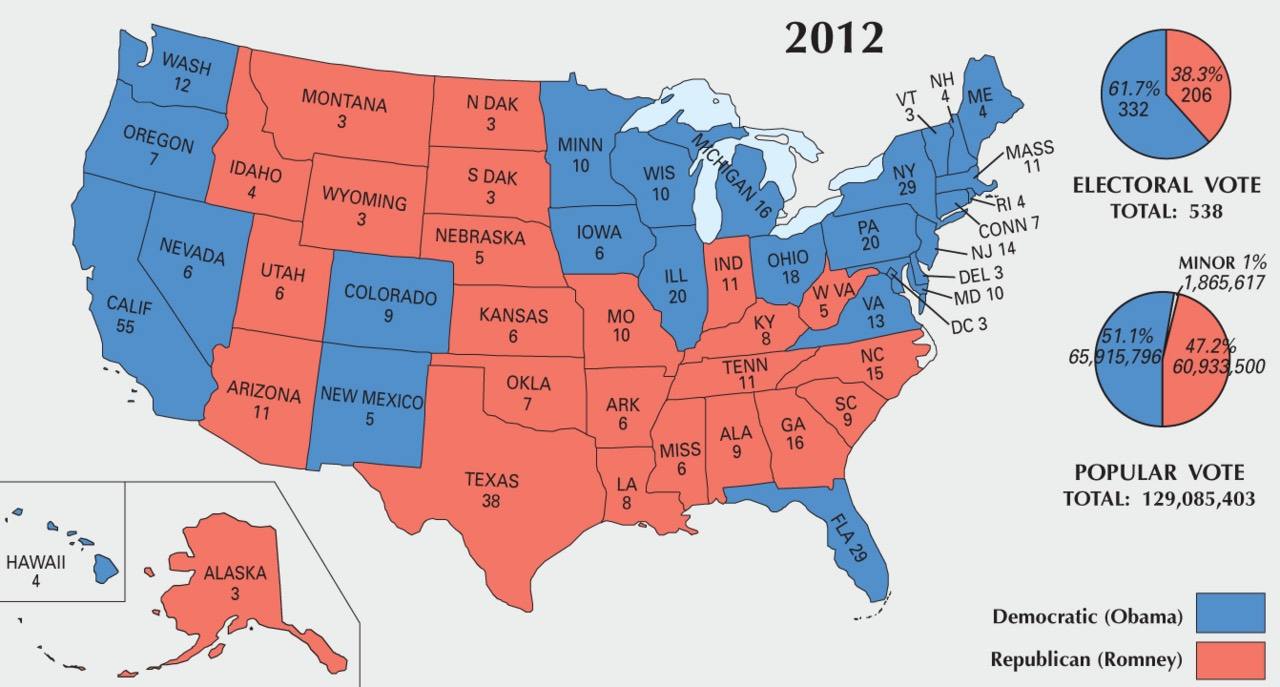
As the 2012 election cycle heats up, the issue of campaign finance looms large, revealing a stark contrast between public claims and the actual record. Both sides of the political spectrum seem to play a dangerous game, using rhetoric to mask the realities of funding in politics.
Campaign Finance: The Landscape
Campaign finance has become a contentious battleground in American politics, with both the left and the right accusing each other of corruption and undue influence. On one hand, Democrats have rallied around the idea of reform, decrying the impact of big money in politics. On the other, Republicans often defend the current system, emphasizing free speech and the rights of individuals to support the candidates of their choice. Yet, both sides often fail to acknowledge their own complicity in the very system they criticize.
Left-Wing Rhetoric
Progressives have taken to the airwaves and the halls of Congress, denouncing the influence of corporations and billionaires in politics. They often call for comprehensive reform, claiming to champion the average voter against a system rigged by deep-pocketed interests. But while they speak passionately about the need for transparency and accountability, many Democratic candidates are not afraid to embrace Super PACs that can raise unlimited funds, effectively undermining their own message.
"We're fighting to get money out of politics, while simultaneously accepting it in the form of Super PAC donations."
Moreover, the reliance on large donations from wealthy individuals often contradicts their narrative. It seems disingenuous to decry corporate influence while simultaneously accepting funds from individuals who might have interests that conflict with the public good. The reality is, candidates from both parties are increasingly forced to play the same game, relying on big money to compete in elections.

Right-Wing Justifications
The Republican Party, on the other hand, often takes a staunchly libertarian approach to campaign finance, framing the issue as a matter of free speech. They argue that limiting campaign contributions infringes on the First Amendment rights of individuals. This perspective may resonate with many voters who value personal freedoms, but it conveniently ignores the repercussions of allowing unchecked spending in politics.
"Free speech is fundamental, but what about the voices of those who cannot compete financially?"
In their zeal to protect what they see as a fundamental right, Republicans often overlook the fact that when money flows freely into campaigns, it drowns out the voices of average citizens. The irony is palpable: while espousing the principles of liberty and democracy, they contribute to a system that increasingly favors the wealthy over the common voter.
The Middle Ground
As we observe the political theater unfolding, it becomes clear that both sides have strayed from their purported values. The left claims to stand for the little guy while engaging in the very practices they criticize. The right touts freedom of expression while enabling an oligarchic system that silences the majority. The American electorate is left in a precarious position, forced to navigate a landscape where money plays a pivotal role in shaping political outcomes.
What Lies Ahead
As we look toward the upcoming elections, the need for genuine campaign finance reform remains urgent. It is imperative that voters demand accountability from their representatives, regardless of party affiliation. Transparency should be a cornerstone of our democratic process, and both parties must be held accountable for their actions in the realm of campaign finance.
Ultimately, the future of American democracy may hinge on the ability to reconcile these stark contradictions. If left unchecked, the current system threatens to undermine the very foundation of our political system, where every voice deserves to be heard, not just those with the deepest pockets.
✦ ✦ ✦