From the file. Written for the paper dated September 2011. Opened in the public stacks July 14, 2026.
As President Obama faces a critical juncture in his administration, the cabinet nomination process unfolds amid the noise of partisan bickering and the incessant media spotlight. In the aftermath of each nomination, the question looms: how do our institutions safeguard themselves from the inevitable fallout?
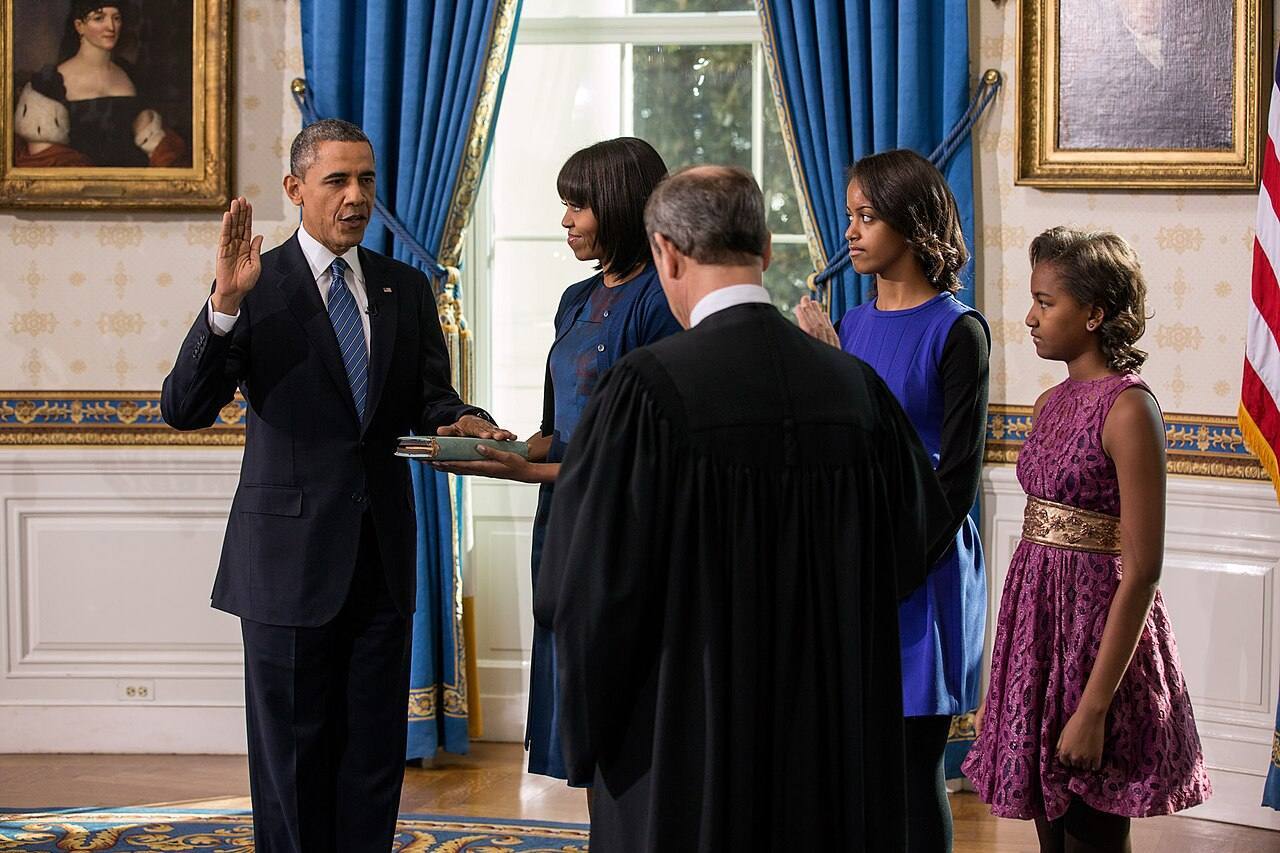
The Cabinet Shuffle: A Double-Edged Sword
In recent weeks, the president has been navigating a cabinet reshuffle that has drawn scrutiny from both sides of the political spectrum. While some factions within the Democratic Party push for progressive nominees who will advance a bold agenda, others urge caution, fearing that too much change could alienate centrist voters. On the other hand, Republicans are capitalizing on any misstep, ready to pounce on perceived weaknesses in leadership.

This tug-of-war extends beyond mere nominations; it reflects a broader struggle within our political institutions. With the economy struggling to recover and public confidence in government at an all-time low, the stakes have never been higher. However, it is essential to recognize how the very institutions we rely on for governance are also adept at self-preservation, often prioritizing stability over progress.

Institutional Resilience Amidst Turmoil
As part of this resilience, the cabinet nomination process has become increasingly procedural, designed to insulate itself from political whims. Committees vet candidates rigorously, and confirmation hearings have transformed into elaborate performances rather than genuine inquiries. The Senate’s advice and consent role is now less about evaluating qualifications and more about political theater, as both parties vie for public favor.

"The confirmation hearings have transformed into elaborate performances rather than genuine inquiries."
For example, during the confirmation process for various cabinet positions, we have seen nominees face intense scrutiny not only over their professional qualifications but also over their past statements and affiliations. This level of examination serves to reinforce the idea that nominees must be flawless, adhering to the ever-shifting standards set by both parties and the media. The expectation that candidates must navigate a minefield of partisan issues often leads to the selection of individuals who are less likely to rock the boat - candidates who embody the status quo rather than challenge it.
This trend, however, raises an important concern: Are we sacrificing genuine leadership for the sake of political expediency? The answer may lie in the contrasting approaches of the left and the right. As progressives call for transformative change, they often overlook the reality that meaningful reform requires a degree of compromise and cooperation. Conversely, conservatives, while advocating for fiscal responsibility and reduced government intervention, risk stifling innovation and necessary reform through their rigid adherence to ideology.

The Pendulum of Power
Both sides of the aisle are guilty of excesses that hinder progress. The left's fervor for sweeping reforms can lead to backlash that empowers the right, while the right’s obstructionist tactics can provoke a desperate push from the left for change, leading to a cycle of instability. This pendulum swing of power often leaves the American public caught in the crossfire, yearning for leaders who are willing to rise above partisan squabbles and focus on the common good.
As the cabinet nominations unfold, we find ourselves at a crossroads. The Democratic Party must balance the progressive ideals that energized its base with the pragmatic approach needed to govern effectively. Meanwhile, Republicans must recognize that constructive engagement, rather than mere opposition, is crucial to restoring faith in our political institutions.
Ultimately, the true measure of a cabinet nominee’s worth will not be found in their ability to navigate the political landscape but in their commitment to fostering genuine dialogue and collaboration across party lines. As citizens, we must demand that our leaders prioritize the health of our institutions over personal or party gain.
In a time of deep division, it is imperative that we advocate for a cabinet composed of individuals who are not just politically palatable but also capable of driving the necessary changes our nation needs. The resilience of our institutions should not come at the cost of progress; rather, it should serve as a foundation for it.
✦ ✦ ✦