From the file. Written for the paper dated September 2011. Opened in the public stacks July 14, 2026.
As the headlines fade from the daily news cycle, the budget standoff in Washington continues to reveal the stark realities of political maneuvering that prioritize institutional survival over effective governance.
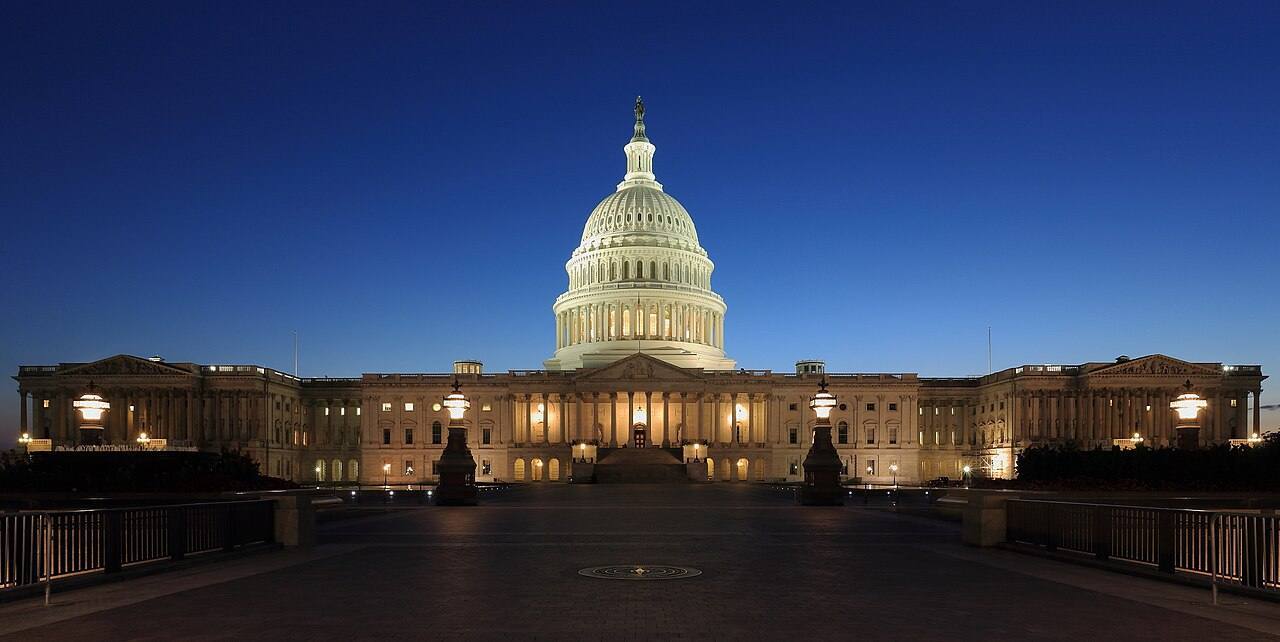
The Political Landscape
In September 2011, the nation finds itself entrenched in a budgetary impasse that has left many citizens frustrated and bewildered. The standoff is not simply a matter of dollars and cents; it is a reflection of how both sides of the political aisle have become more concerned with protecting their own positions and ideologies than with crafting viable solutions for the American people. The polarized environment has intensified partisanship, with both Democrats and Republicans digging in their heels.

“We are not just fighting over a budget; we are engaged in a battle for the soul of our government.”
Institutional Self-Preservation
The current budgetary deadlock is emblematic of a broader trend where institutions prioritize their own survival. Politicians are more inclined to please their core constituents and special interest groups than to engage in the difficult compromises necessary to move the nation forward. The rhetoric from both camps is a cacophony of blame, with each side accusing the other of recklessness and irresponsibility. Yet, in this game of political chess, it is the American public that ultimately suffers.
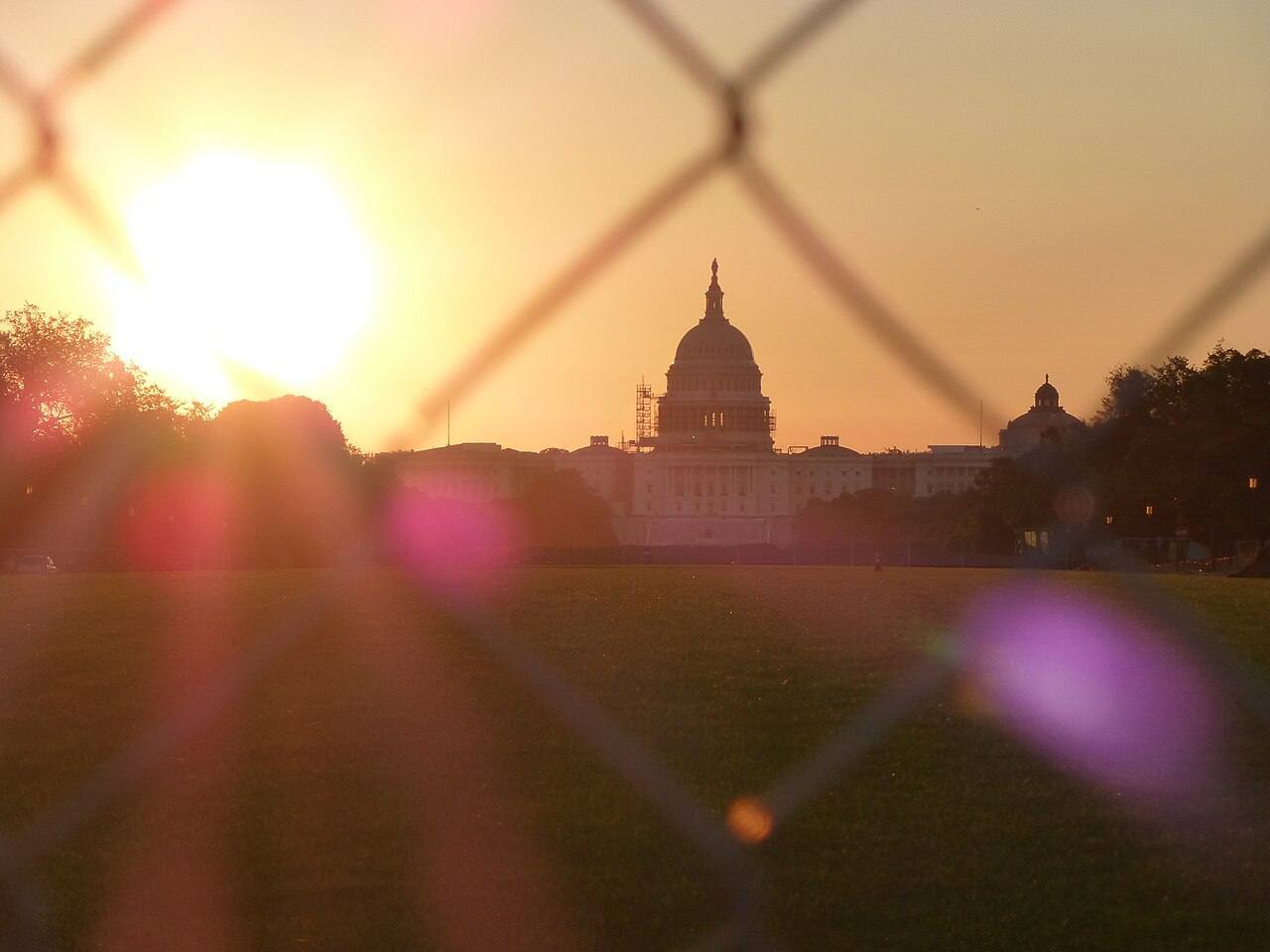
On the left, there is a tendency to insist that any cuts to social programs are tantamount to a betrayal of the nation’s most vulnerable citizens. This steadfast commitment to preserving entitlement programs, while noble in intent, often ignores the pressing need for fiscal responsibility. The unwillingness to entertain any reductions in government spending reflects a fear of alienating key voter blocs. Meanwhile, the right is equally entrenched, advocating for deep cuts that often overlook the potential impact on essential services. Their mantra of reducing the size of government, though appealing to a certain demographic, risks undermining crucial social safety nets.

Public Perception and Accountability
As the political elite engage in their stalemate, public trust in government seems to evaporate. Polls indicate that many Americans feel disconnected from the legislative process and increasingly disillusioned with their representatives. The seeming inability of Congress to reach consensus has bred cynicism, leading citizens to question the efficacy of their elected officials. Yet, the very institutions that should be accountable to the public appear more focused on their own survival than on serving the needs of their constituents.
It is essential for both parties to consider the long-term consequences of their actions. The current standoff is not merely a tactical battle; it is a test of whether legislators can put aside self-interest for the sake of the nation’s future. Each side must recognize that the solution lies not in rigid ideologies but in the willingness to compromise for the common good.

The Path Forward
To navigate this impasse, leaders must focus on transparent communication and constructive dialogue. The public deserves to see their representatives actively working towards solutions, not merely engaging in finger-pointing. A commitment to bipartisanship is crucial, as is a willingness to confront the hard truths surrounding the nation’s fiscal health.
As negotiations continue, the hope remains that both parties will emerge from this standoff with a renewed sense of purpose. The American people are seeking leadership that prioritizes collective well-being over political expediency. In an era defined by division, the call for unity and cooperation has never been more critical.
Conclusion
The budget standoff serves as a stark reminder of the challenges facing our nation. Both sides must reflect on their priorities and consider the consequences of their actions. As the country grapples with pressing economic realities, the need for genuine leadership that transcends partisan lines is more important than ever. The future of American governance depends on the ability of its leaders to rise above self-interest and work towards a common purpose. Only then can the institutions of our democracy truly serve the people they were designed to protect.
✦ ✦ ✦