From the file. Written for the paper dated August 2011. Opened in the public stacks July 14, 2026.
As the world grapples with the ongoing ramifications of the H1N1 outbreak, both major political parties in the United States find themselves at a crossroads regarding pandemic readiness. While the left advocates for increased government spending on public health initiatives, the right pushes for a more market-driven approach. This article examines the incentives driving both sides of the aisle and how they impact our nation’s preparedness for future health crises.
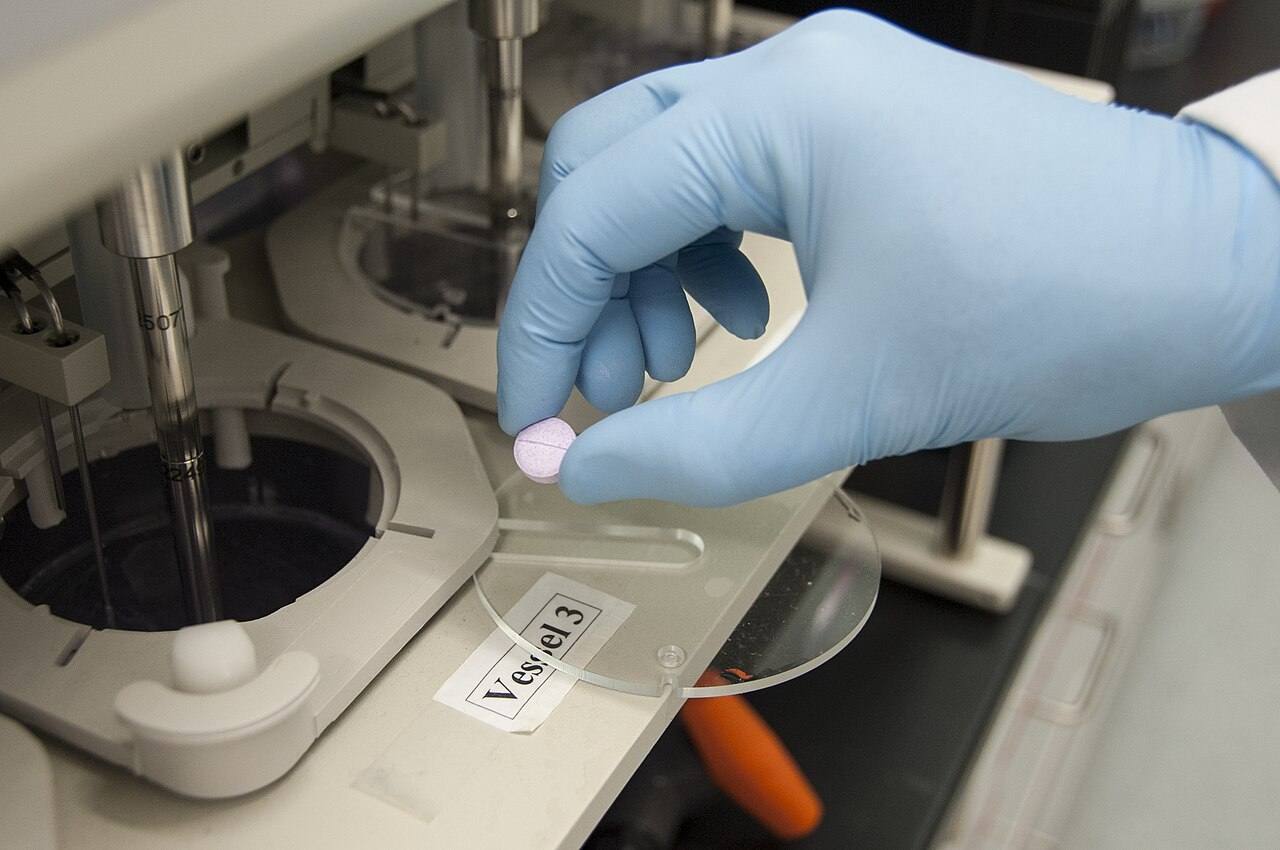
Public Health Spending: A Necessary Investment?
For the left, the argument for increased investment in public health infrastructure is clear. Advocates contend that robust funding is essential for research, vaccine development, and the establishment of rapid response teams. The recent experiences with H1N1 have highlighted the gaps in our health system, prompting calls for a comprehensive overhaul of how we approach infectious disease preparedness.
However, this push for more government spending often comes with its own set of pitfalls. Critics argue that not all proposed expenditures are based on sound science or effective strategies. There is a risk that funds could be misallocated to initiatives that do not yield tangible benefits. Furthermore, the perpetual call for more funding can create a dependency on government solutions, stifling innovation that might arise from private sector involvement.

The Market-Driven Approach: Efficiency or Neglect?
On the right, the prevailing sentiment is that the market should take the lead in pandemic preparedness. Proponents argue that the private sector can develop vaccines and treatments more efficiently than government-run programs. They emphasize the importance of incentivizing pharmaceutical companies to invest in research and development through tax breaks and fewer regulations. This perspective is rooted in the belief that competition will drive innovation, ultimately leading to better health outcomes.
However, this approach raises significant questions about equity and accessibility. In a system driven by profit motives, there is a genuine concern that vaccines and treatments may not be affordable or accessible to all, particularly low-income communities. The debate highlights a pressing dilemma: how do we balance the need for innovation with the imperative to ensure that all citizens have access to essential health services?
“We must find a way to ensure that public health is not sacrificed at the altar of profit.”
Bridging the Divide: A Call for Collaboration
The extremes of both the left and the right have created a polarized environment that hinders constructive dialogue on pandemic preparedness. Instead of working towards a unified solution, both sides risk alienating potential allies and stifling innovative ideas that could lead to real change. It is crucial for policymakers to recognize that neither approach is a panacea; rather, a collaborative effort is needed to integrate the strengths of both public and private sectors.
One potential solution lies in fostering partnerships between government agencies and private companies. By creating a framework for collaboration, we can leverage the efficiency and innovation of the market while ensuring that public health priorities are met. This could involve shared funding models, where public health initiatives receive support from private investment, ensuring that profit motives align with the public good.
Incentives for Change: A Path Forward
Achieving effective pandemic readiness requires a reevaluation of incentives on both sides. The left must develop proposals that not only call for more funding but also demonstrate how that funding will be used effectively to improve public health outcomes. Transparency and accountability in spending are key to gaining public trust.
Conversely, the right must recognize that a purely market-driven approach can leave vulnerable populations at risk. The challenge will be to create incentives that encourage pharmaceutical companies to prioritize public health over profit margins. This could involve establishing price controls or requiring companies to ensure access to essential medications for low-income individuals as part of their market agreements.
The Road Ahead
As we navigate the complexities of pandemic readiness, it is essential for both parties to step back from their ideological extremes and engage in meaningful dialogue. The stakes are high, and the consequences of inaction are dire. Whether through increased public investment or market-driven solutions, the ultimate goal must be the same: to safeguard the health of all Americans.
As we face the ongoing challenges of H1N1 and prepare for potential future pandemics, it is crucial that we set aside partisan bickering and focus on what truly matters - ensuring the safety and well-being of our citizens. By fostering collaboration and embracing innovative solutions, we can build a health system that is prepared to meet the challenges of tomorrow.
✦ ✦ ✦