From the file. Written for the paper dated August 2011. Opened in the public stacks July 14, 2026.
As the nation grapples with the ongoing health crisis, the responses from both sides of the political spectrum reveal alarming incentives that prioritize agenda over public health.
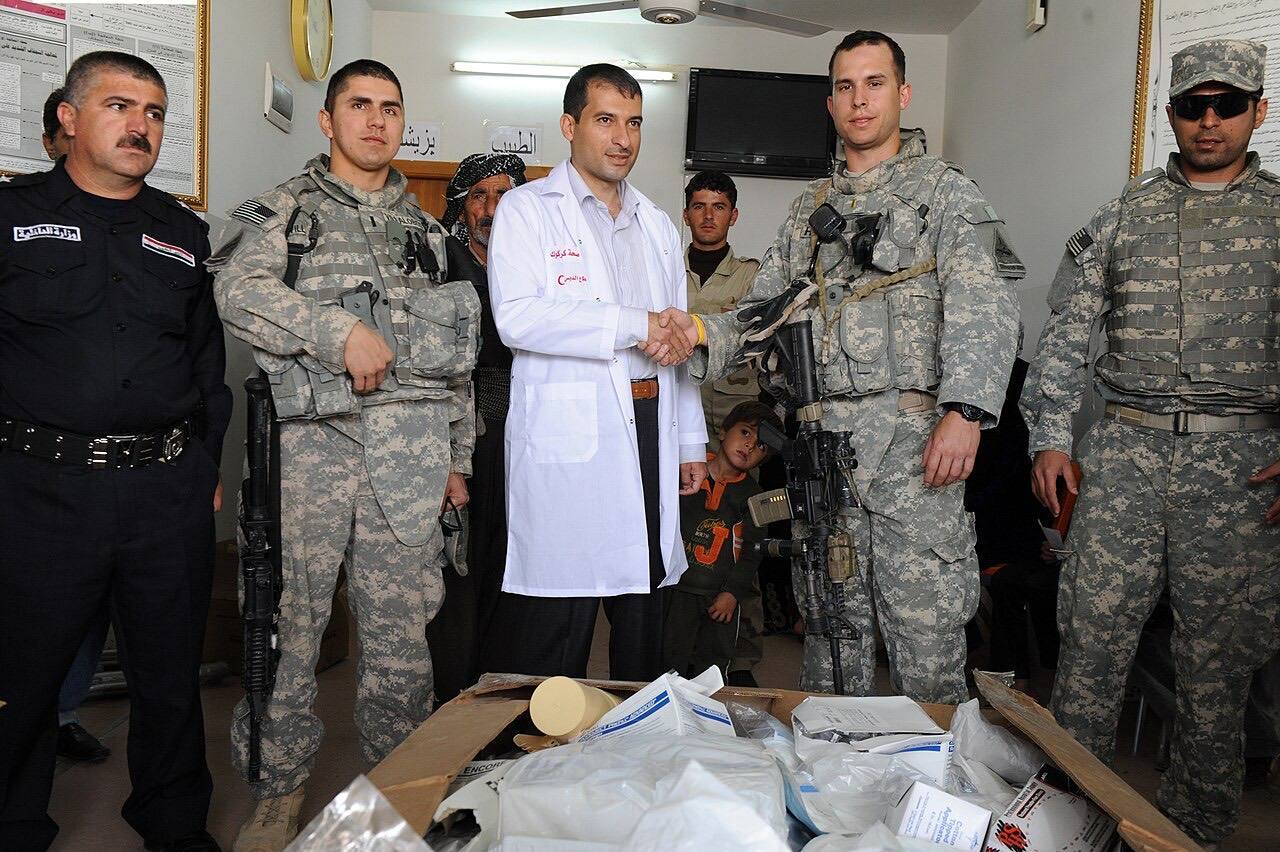
The Political Landscape of Epidemic Response
The current epidemic sweeping across the country has laid bare the inadequacies of our health infrastructure and exposed the deep-seated divisions in our political discourse. In this critical moment, it is essential to analyze how both left and right are leveraging the crisis to further their respective agendas, often at the expense of effective public health measures.
On one hand, the left has positioned itself as the champion of public health, advocating for increased funding for health services and pushing for universal healthcare. Yet, this noble pursuit is frequently overshadowed by a tendency to paint any dissenting opinion as reckless or harmful. The rhetoric used can border on alarmism, which undermines trust in the very institutions meant to guide us through this crisis. Rather than fostering a constructive dialogue, some on the left have resorted to vilifying those who question their approach, framing them as enemies of public health.

Conversely, the right has often taken a stance that emphasizes personal responsibility and limited government intervention. While the call for individual accountability is valid, it can lead to dismissiveness regarding the collective actions required to combat an epidemic. There is a troubling tendency among certain factions to downplay the severity of the situation, which can result in a dangerous complacency among the public. Such behavior not only jeopardizes health outcomes but also creates a divisive environment where facts become secondary to ideology.
"This epidemic should be a unifying challenge, not a political battleground."
Incentives and Consequences
The question arises: what are the incentives driving these divergent approaches? For the left, the push for expanded healthcare services is not merely a response to the epidemic; it is an opportunity to reshape the American health landscape. However, this urgency can sometimes eclipse pragmatic solutions that might not fit neatly into the progressive narrative. Instead of seeking bipartisan cooperation, the focus can shift toward capitalizing on the crisis to implement sweeping reforms.
On the right, the incentive often lies in rallying the base around themes of freedom and autonomy. This can manifest in a reluctance to accept government-led initiatives as viable solutions, leading to a paradox where the rejection of intervention may ironically hinder the very freedoms they seek to protect. The emphasis on local solutions can also lead to a patchwork response that lacks the coordination necessary to effectively combat widespread health threats.
Both sides, in their pursuit of political gain, risk alienating the very constituents they aim to serve. While it is natural for ideological differences to surface in times of crisis, the stakes are too high for such divisions to dictate our response. The public deserves a united front that prioritizes health over politics, yet we find ourselves caught in a cycle of finger-pointing and blame.
Finding Common Ground
Despite the apparent chasm between the two sides, there is potential for collaboration that could lead to a more effective response. Public health professionals and policymakers must engage in open dialogue that respects differing viewpoints while focusing on shared goals. Education and outreach can bridge the gap, ensuring that all citizens understand the importance of collective action.
Moreover, utilizing data-driven approaches can help to alleviate fears and build consensus. By emphasizing science over ideology, we can create a framework that prioritizes evidence-based decision-making. This is particularly crucial in an era where misinformation can spread as rapidly as a virus, potentially leading the public astray.
As we navigate this critical juncture, it is imperative that leaders from both sides come together to craft a response that prioritizes public health. The American people deserve better than a politicized epidemic response; they deserve a solution grounded in science and compassion. Let us hope that this crisis becomes a catalyst for unity rather than division, fostering a renewed commitment to the health and well-being of all.
✦ ✦ ✦