From the file. Written for the paper dated July 2011. Opened in the public stacks July 14, 2026.
As the threat of a government shutdown looms ever larger, the media frenzy has taken center stage, focusing primarily on the political posturing of both sides. But what gets lost in the shuffle is the real impact of this brinkmanship on the American public.
Political Posturing Over Practical Solutions
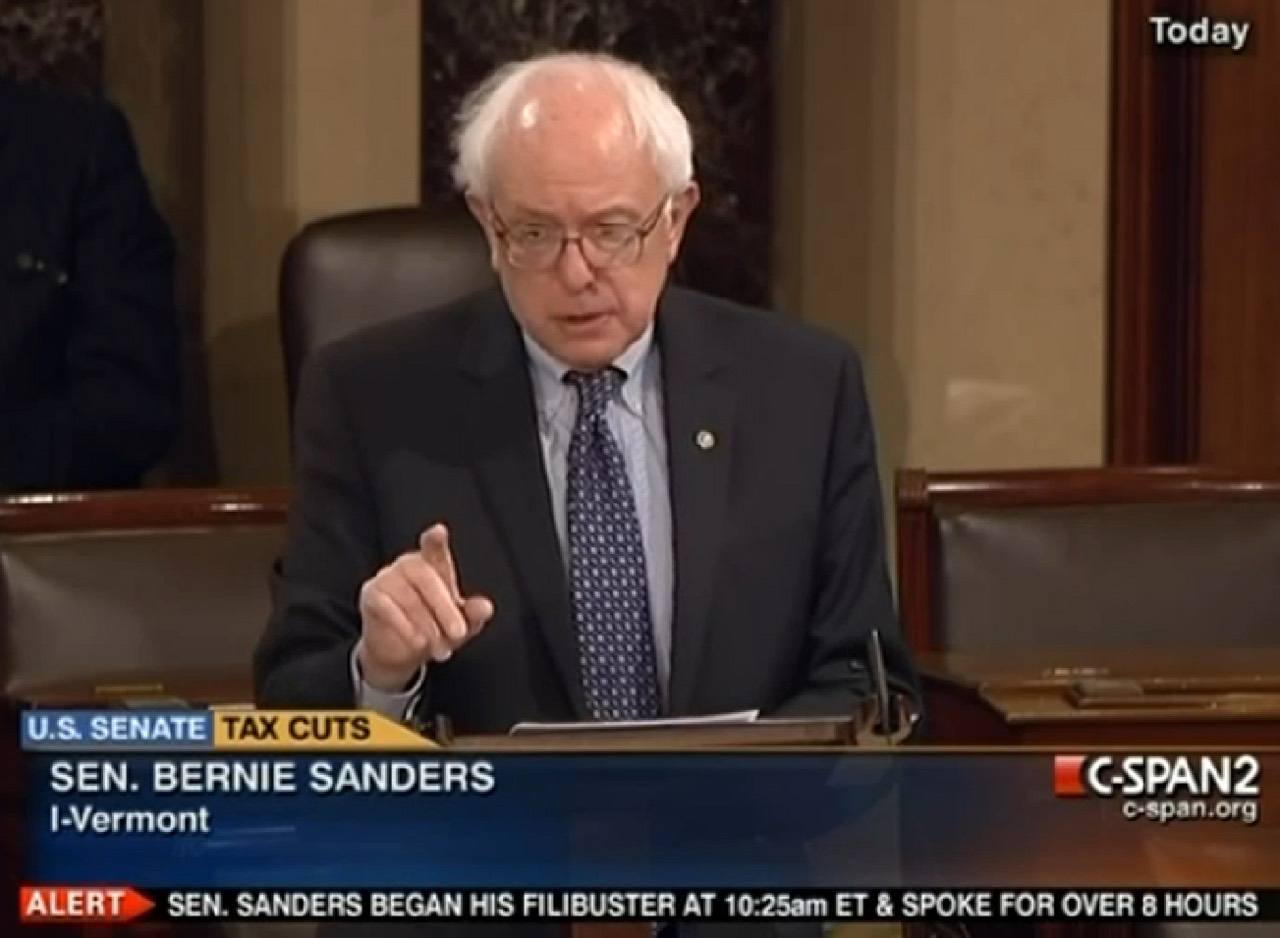
The ongoing debate in Congress over budget cuts and debt ceilings has reached a fever pitch. On one side, Republicans are pushing for significant cuts to social programs, while Democrats are adamantly defending these initiatives as essential for the well-being of millions. Yet, amid the shouting matches and partisan rhetoric, the question remains: who is truly being served by this standoff?
With both parties entrenched in their positions, it is becoming increasingly clear that the average American is being left out of the conversation. The focus has shifted toward who can wield more power rather than how to create a sustainable budget that protects the most vulnerable. This has become a game of political chess, where the pawns are the citizens who rely on government services to get by.
"It's as if the needs of the people have become an afterthought in this high-stakes game."
The Consequences of Excess
Both sides of the aisle are demonstrating alarming tendencies toward extremism. Republicans are advocating for drastic cuts, often targeting programs that disproportionately aid the low-income population. The idea that slashing funding to vital services will stimulate economic growth is not only misguided but could also lead to greater social instability. On the other side, Democrats are often resorting to fear tactics, warning that the elimination of these programs will lead to widespread suffering.
While both arguments have their merits, the most important element - the impact on real people - tends to get drowned out. Instead of engaging in productive dialogue, lawmakers are caught in a cycle of escalation, where the focus is on who can shout the loudest rather than who can propose a viable solution.
The Role of Media
It is essential to examine the role of the media in perpetuating this cycle of dysfunction. News coverage has largely focused on the drama of the situation - who said what, who walked out, and the countdown to a potential shutdown. While it is important to report on the happenings within Congress, this obsession with the spectacle has overshadowed the actual implications of these decisions.
When the media frames the situation as a political contest, it inadvertently encourages the very polarization that is crippling effective governance. The focus should shift from who wins this battle to what will happen if the government shuts down. Will veterans receive their benefits? Will food assistance programs continue? These are the questions that should dominate discussions, not the latest tweet from a congressman or a inflammatory soundbite.
The Need for Compromise
In a time when political extremes are championed and compromise is seen as weakness, it is essential to remember that governance is about finding common ground. Both parties must recognize that an unwillingness to engage in meaningful discussions could have devastating consequences for millions of Americans. Budget negotiations should be about ensuring that the most essential services are maintained, not about winning a political battle.
As we inch closer to a potential government shutdown, we must remind our leaders that they are elected to serve the people, not to play political games. The stakes are too high, and the consequences of inaction are too severe for this to be treated as mere theater.
It is time for both sides to put aside their differences and prioritize the needs of everyday Americans. The urgency for responsible governance has never been greater, and the time for action is now.
✦ ✦ ✦