From the file. Written for the paper dated July 2011. Opened in the public stacks July 14, 2026.
In a world saturated with news cycles, the complexities of scientific discoveries often fade into the background, overshadowed by more sensational headlines. One such phenomenon is the recent radar anomaly detected over the Pacific, which, while intriguing, raises questions about our understanding of technology and the narratives we accept.

What We Know About the Anomaly
Reports surfaced earlier this month regarding a radar anomaly detected by military installations monitoring air traffic. Initial investigations suggested that the anomaly could be the result of atmospheric conditions, but the lack of definitive conclusions has sparked widespread speculation. As the media frenzy unfolded, many overlooked the nuances of the scientific process in favor of sensationalist stories.

The Media's Role in Scientific Discourse
In this age of information overload, the media's portrayal of scientific findings can significantly impact public perception. Instead of focusing on the rigorous methodologies of scientists, outlets often rush to publish eye-catching headlines that prioritize clicks over clarity. This has led to a general public misunderstanding of radar technology and its limitations.
"The truth is often more complex than the headlines suggest."
Furthermore, the portrayal of scientific anomalies can lead to the sensationalization of findings. For example, while the radar anomaly prompted theories ranging from UFO sightings to secret military tests, a more grounded analysis would acknowledge the likelihood of benign explanations. The tendency to leap to extraordinary conclusions reflects not just a flaw in media reporting, but also in the public’s appetite for the bizarre and sensational.
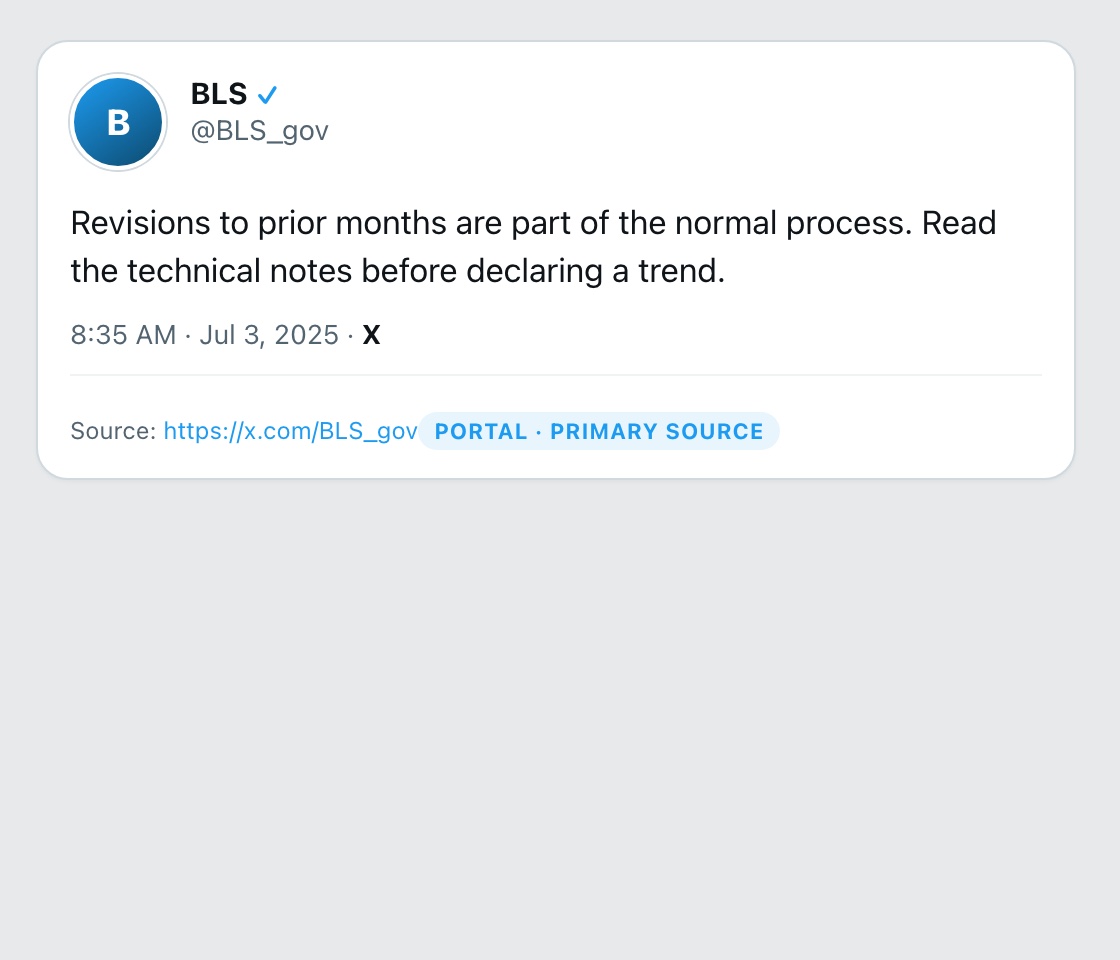
Political Reactions and the Left-Right Divide
The political implications of these anomalies have also not gone unnoticed. On one side, conspiracy theorists on the right use such incidents to promote narratives of government secrecy and cover-ups. They argue that the military's silence on the specifics of the anomaly is indicative of a larger issue of transparency. On the other hand, some left-leaning commentators dismiss these anomalies as mere distractions from pressing issues such as climate change and economic inequality.
Both extremes reveal a troubling trend in political discourse where facts are selectively interpreted to fit pre-existing narratives. The right’s inclination to see government malfeasance in the obscure and unexplained can lead to a distrust of legitimate scientific findings. Meanwhile, the left's tendency to ignore or downplay these events overlooks the potential for legitimate inquiry into matters of national security and technological advancement.

"In the rush to criticize one another, both sides often miss the true story."
Bridging the Gap
To improve understanding of phenomena like radar anomalies, a more responsible approach to reporting is essential. This means prioritizing educational content that explains the scientific method, the potential causes of radar anomalies, and the significance of rigorous testing and peer review. Moreover, the public must be encouraged to engage with science critically, recognizing that mysteries often take time to unravel.
The scientific community also bears some responsibility for how findings are communicated. Researchers should strive to present their work in a manner that is accessible to non-specialists, avoiding jargon that may alienate the general public. By doing so, they can help demystify complex subjects and foster an environment where informed discourse can flourish.
Conclusion
As the dust settles on the radar anomaly, it is crucial to reflect on what has been learned - and what remains unaddressed. In a society where both left and right can be quick to politicize science, we must advocate for a more nuanced understanding of the complexities involved. Only then can we move beyond sensationalist headlines to embrace a more thoughtful discourse surrounding scientific phenomena.
✦ ✦ ✦