From the file. Written for the paper dated July 2011. Opened in the public stacks July 14, 2026.
Port congestion has become a hot topic as headlines scream about the impact on the economy. However, amid the alarming figures and media narratives, critical details are often overlooked.

Understanding the Gridlock
In recent months, major ports across the United States have been experiencing unprecedented congestion. Ships are waiting for days, and sometimes weeks, to offload their cargo. This isn’t just a logistical issue; it’s a reflection of larger systemic problems that have been brewing beneath the surface. While the media focuses on the immediate consequences - rising prices and delays in goods - there’s a deeper story that remains untold.
Economists and industry experts have pointed out that this congestion is not merely a result of increased consumer demand. Yes, the economy is recovering, and consumers are spending again, but the issue runs deeper. The real problem lies in the insufficient infrastructure, outdated port facilities, and a lack of coordination among various stakeholders in the shipping industry.
The Infrastructure Bottleneck
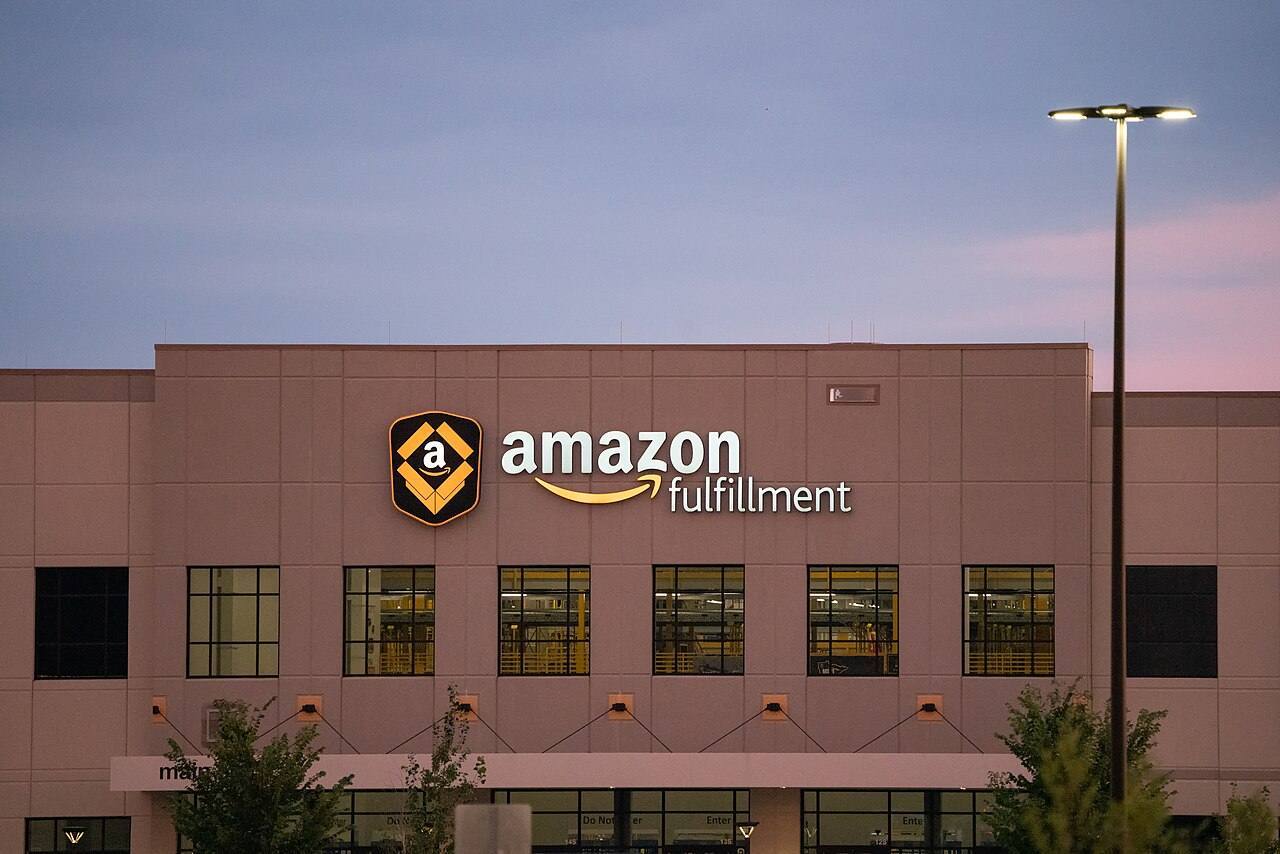
Many ports were built decades ago and have not kept pace with the growing demands of global trade. The size of container ships has increased significantly, but port facilities have lagged behind. This discrepancy is creating a bottleneck that is difficult to manage. A report from the American Association of Port Authorities indicates that many ports are operating at or near capacity, and the investment in infrastructure improvements has not kept up with this demand.

“The congestion is a symptom of a larger issue that policymakers have ignored for far too long.”
While both Democrats and Republicans have proposed various solutions, their approaches often miss the mark. Democrats typically advocate for increased government spending on infrastructure, but critics argue that simply throwing money at the problem without a comprehensive plan won't solve the underlying issues. On the other hand, Republicans tend to emphasize deregulation and private-sector solutions, which can lead to a lack of accountability in the long run.
The Economics of Delay
As ships sit idling in ports, the economic ramifications are far-reaching. Retailers and manufacturers are forced to raise prices to cover the increased costs of shipping and delays, which ultimately trickles down to consumers. This inflationary pressure can erode purchasing power and dampen consumer confidence.
Yet, the media often neglects to discuss the broader economic implications of this congestion. For instance, the impact on small businesses can be devastating. Many rely on just-in-time inventory systems that are disrupted by delayed shipments. The consequences can be severe, forcing some businesses to close their doors if they cannot manage the fluctuating costs and stock levels.
Policy Responses and Political Posturing
In the political arena, responses to the port congestion issue have often devolved into partisan squabbling rather than focused, effective solutions. Democrats push for infrastructure spending, while Republicans argue for deregulation. Both sides often fail to acknowledge the need for a balanced approach that addresses both immediate concerns and long-term planning.
Furthermore, the focus on partisan politics often overshadows the voices of those most affected by port congestion. Truck drivers, warehouse workers, and small business owners have valuable perspectives that should inform policy decisions. However, these voices are frequently drowned out by the louder, more sensational narratives that dominate the news cycle.
“We need a collaborative effort that involves all stakeholders to truly address the congestion crisis.”
A Call for Holistic Solutions
To effectively tackle the issue of port congestion, a multi-faceted approach is required. Policymakers need to invest in modernizing port facilities, improving transportation networks, and enhancing coordination among different sectors of the shipping industry. Additionally, fostering public-private partnerships can create innovative solutions that leverage both government resources and private sector efficiency.
Instead of merely reacting to the crisis, there is a pressing need for a strategic vision that anticipates future demands and prepares the ports accordingly. This requires a departure from the typical short-term thinking that characterizes much of American politics today.
Conclusion: Looking Beyond the Headlines
As the headlines continue to highlight port congestion and its impact on the economy, it is crucial to look beyond the immediate effects and consider the systemic issues at play. Both sides of the political aisle must move past their excesses and work towards comprehensive solutions that address the root causes of this crisis.
The stakes are high, and the consequences of inaction could be dire for both the economy and the everyday American consumer. It is time for a thoughtful, collaborative response that prioritizes the long-term health of our ports and, by extension, our economy.
✦ ✦ ✦