From the file. Written for the paper dated June 2011. Opened in the public stacks July 14, 2026.
In an era where technology often blurs the lines between reality and speculation, a recent radar anomaly has sparked intense debate among scientists, skeptics, and enthusiasts alike. The question remains: what do the numbers actually show?
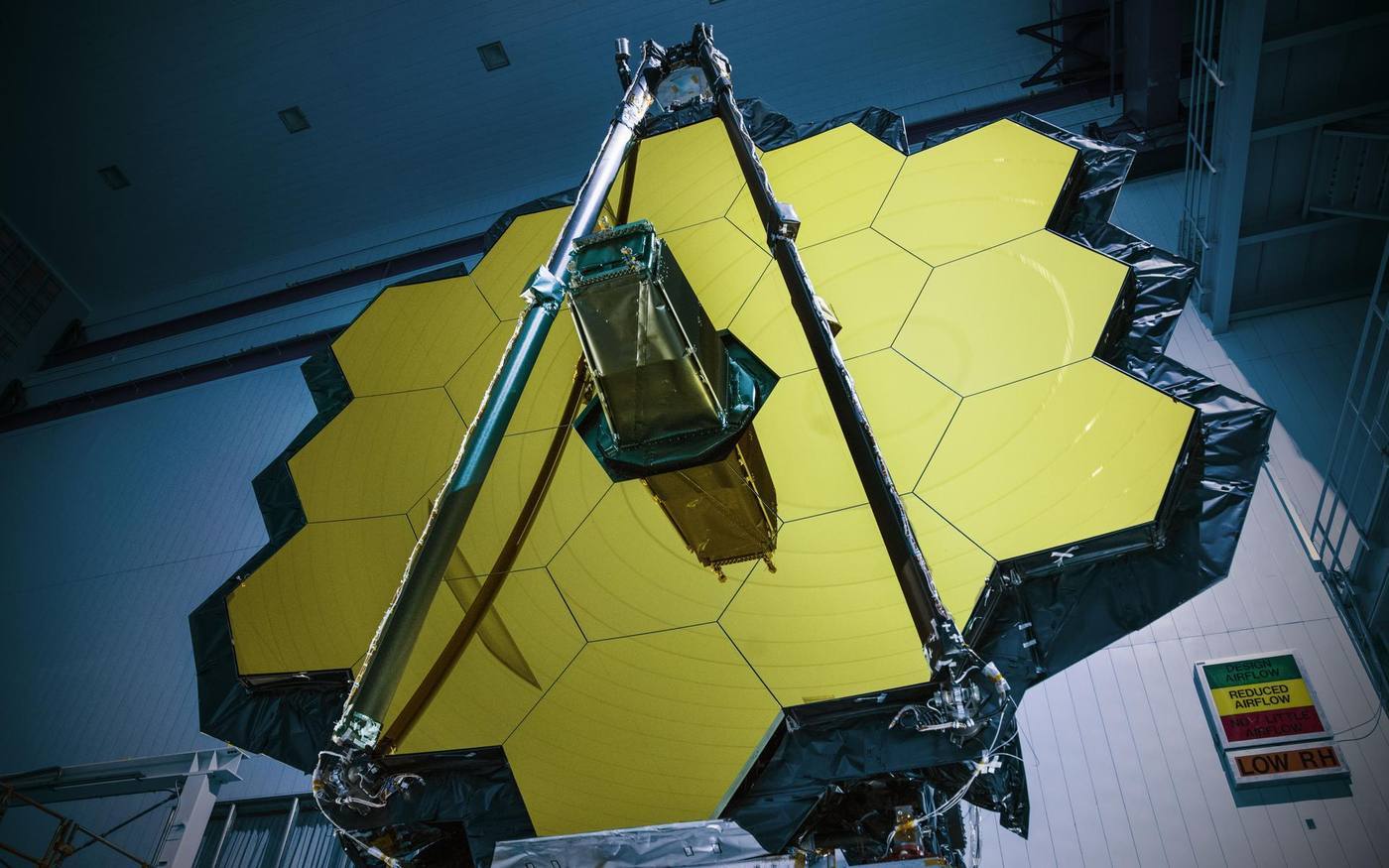
Understanding the Anomaly
Radar anomalies are not new to the scientific community. However, the recent uptick in reports has led to a frenzy of interpretations and assertions. Some insist these phenomena are evidence of extraterrestrial life, while others attribute them to natural occurrences or technological malfunctions. The truth lies nestled in the data, which requires careful examination.
The Numbers Behind the Radar
At the heart of the recent discussions are the radar readings themselves. Initial reports indicated unusual patterns, with peaks and troughs that did not conform to expected behavior. Investigations revealed that these anomalies were not isolated incidents but part of a broader pattern.

One of the critical aspects of analyzing radar data is understanding the limitations of the technology. Radar systems can be influenced by atmospheric conditions, geographical features, and even interference from other electronic devices. These variables must be accounted for when evaluating anomalies.
“Numbers don't lie, but they can certainly mislead.”
Excesses in Interpretation
Both sides of the debate have succumbed to excesses. On one hand, some proponents of the extraterrestrial hypothesis have taken these anomalies as definitive proof of alien visitation, ignoring the scientific principle of skepticism. Their enthusiasm often overshadows the rigorous analytical procedures that underpin credible research. On the other hand, skeptics dismiss any possibility of extraordinary explanations, reducing complex radar readings to mere glitches or simple atmospheric phenomena without a thorough investigation.
This polarization is detrimental to scientific inquiry. It creates an environment where evidence is selectively interpreted, often to fit a pre-existing narrative. Rather than engaging in a balanced discussion, both sides retreat into echo chambers, amplifying their respective viewpoints while neglecting the nuances of the data.
The Case for Caution
As scientists delve deeper into the radar data, it becomes clear that a moderate approach is necessary. While it is essential to explore all possibilities, jumping to conclusions without rigorous analysis can lead to misinformation. The public deserves transparency when it comes to scientific findings, particularly when sensational claims are involved.
Moreover, the scientific community must acknowledge the role of media in shaping public perception. Headlines often sensationalize findings to attract attention, which can further distort the public's understanding of the science involved. Responsible reporting should emphasize the need for continued research and caution against premature conclusions.
Moving Forward
The path forward requires collaboration between scientists, skeptics, and the media. Open dialogue can facilitate a more comprehensive understanding of radar anomalies, allowing for constructive criticism and exploration of various hypotheses. This does not mean abandoning skepticism; rather, it involves embracing a more nuanced view of the data.
As researchers continue to analyze the radar readings, it is essential to maintain a commitment to scientific integrity. This includes acknowledging the limitations of current technology while remaining open to the possibility of new discoveries. The truth may lie far beyond our current understanding, but it is only through diligent investigation that we can hope to uncover it.
A Call for Balanced Discourse
In conclusion, the radar anomaly debate highlights a crucial need for balanced discourse within the scientific community and among the public. The urge to declare definitive conclusions can lead to misinformation and a distrust of science. Instead, a measured approach that values evidence and encourages critical thinking is paramount.
As we move forward, let us remember that the pursuit of knowledge is a journey, not a destination. Each anomaly offers an opportunity to learn, explore, and expand our understanding of the world around us.
✦ ✦ ✦