From the file. Written for the paper dated May 2011. Opened in the public stacks July 14, 2026.
In an age where rapid headlines often overshadow the complexities of governance, the need for diligent oversight becomes increasingly paramount.

Certainty in Uncertain Times
As we navigate the murky waters of political discourse in 2011, one undeniable truth emerges: certainty is selling briskly. In a climate rife with anxiety over the economy, foreign policy, and social issues, Americans are flocking to those who promise clear answers and definitive solutions. This tendency, however, raises critical questions about the role of oversight in our democratic institutions.
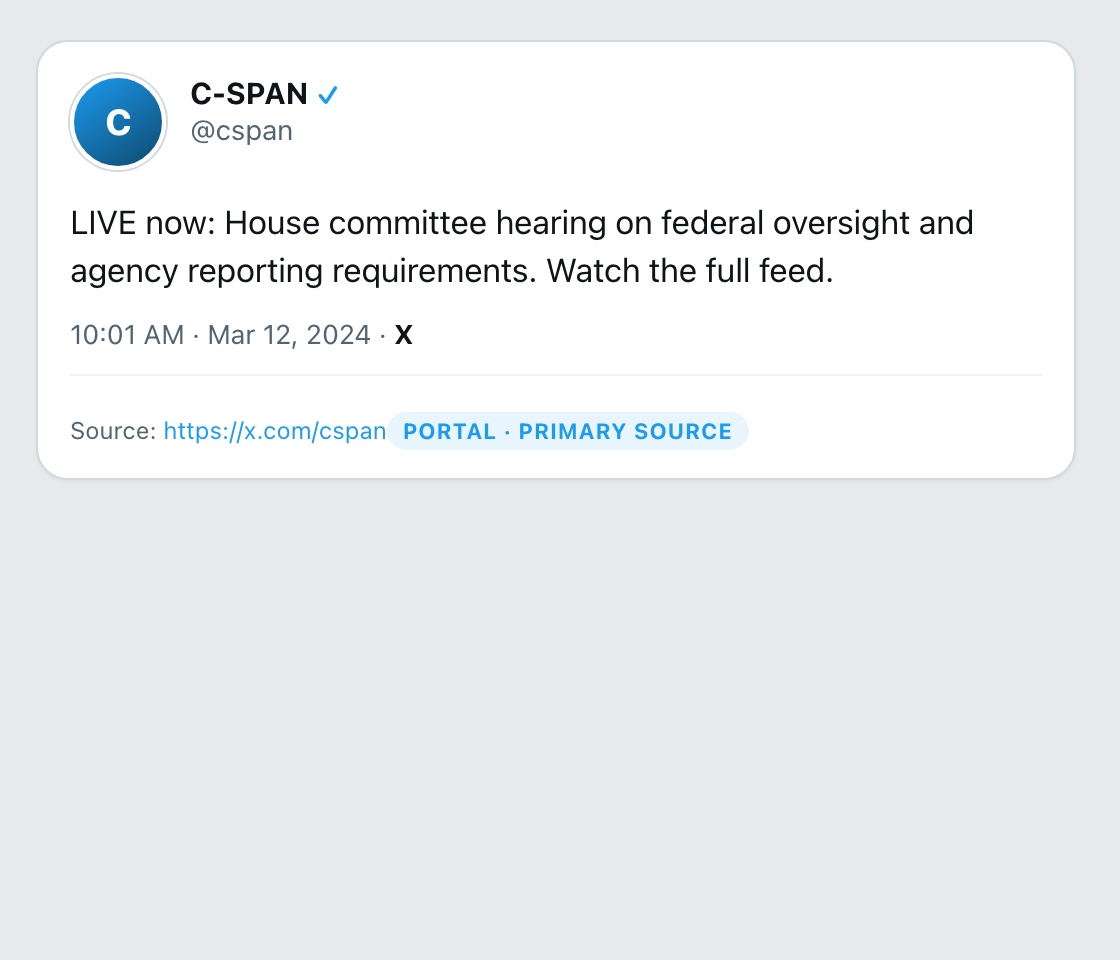
On one end of the spectrum, we have the right, fervently advocating for limited government intervention and the deregulation of industries. They argue that less oversight leads to greater innovation and economic growth. Yet, as we witness the fallout from financial institutions that operated without sufficient regulation, it becomes clear that this mantra of free-market absolutism can lead to disastrous consequences. The recent economic downturn serves as a stark reminder that unchecked power can spiral into chaos.

Conversely, the left has taken a different approach, often advocating for extensive regulations in a bid to protect the public interest. While their intentions are commendable, the execution can sometimes lead to overreach, stifling creativity and undermining personal freedoms. Policies that aim to shield citizens from potential harm can, at times, morph into a stifling bureaucracy that complicates rather than simplifies life for the very people they aim to protect.
The Need for Nuance
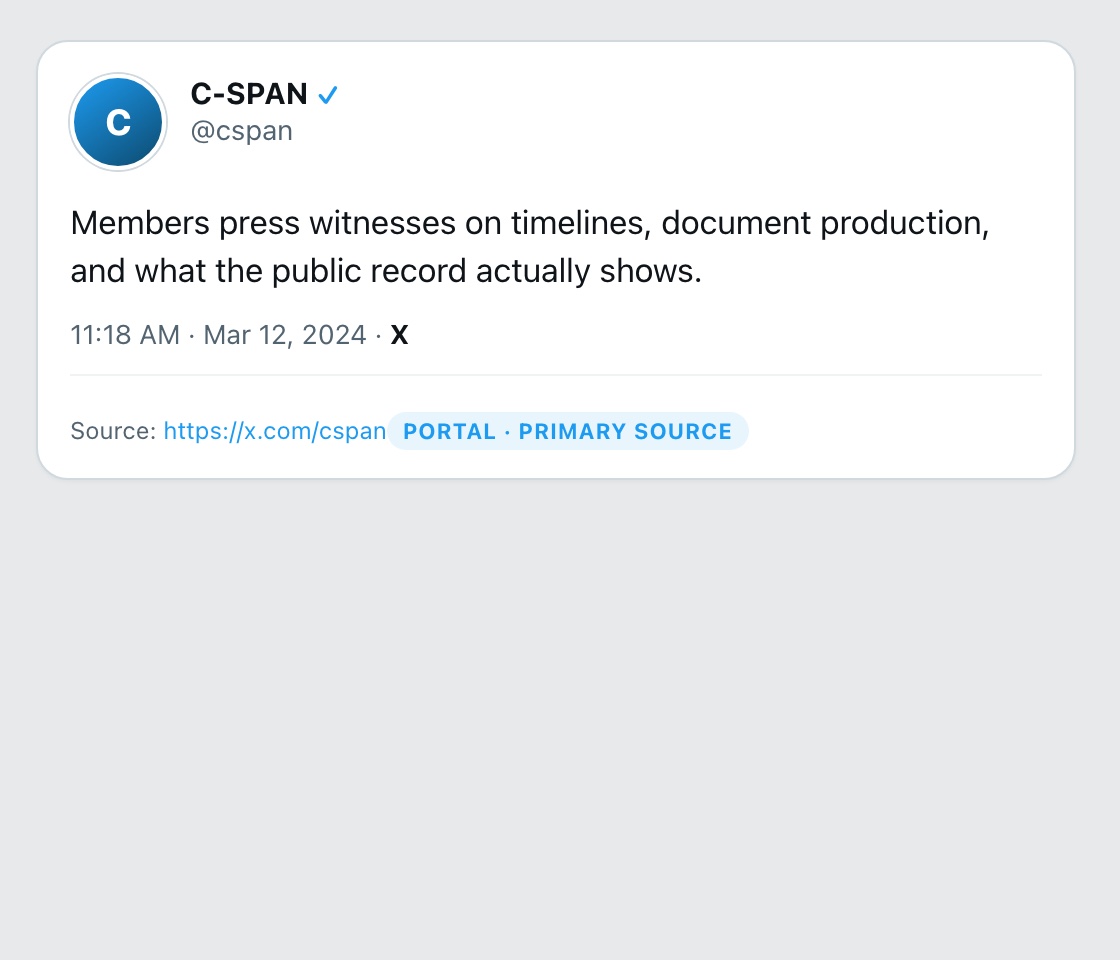
It is in this dichotomy that the need for nuanced oversight becomes clear. Oversight should not be a binary choice between too much or too little governance; instead, it must be a balanced approach that considers the implications of each policy in a broader context. The reality is that both sides of the political aisle often fall into the trap of extremes, leading to a polarized environment where compromise is seen as weakness.
"The reality is that both sides of the political aisle often fall into the trap of extremes."
To illustrate this point, consider the recent debates surrounding health care reform. The left argues for a comprehensive overhaul of the system to ensure universal coverage, while the right contends that such measures will lead to inefficiency and a decline in quality. Both sides present compelling arguments, yet the lack of oversight in crafting a middle-ground solution has resulted in a landscape that leaves many unanswered questions. The absence of an effective regulatory framework exacerbates the fear and uncertainty surrounding health care, driving individuals to seek certainty in extreme positions.

Accountability in Oversight
Oversight is more than just a mechanism to keep power in check; it is a commitment to accountability. When governments operate without sufficient scrutiny, they become insulated from the very constituents they serve. This lack of accountability can breed corruption and inefficiency, as officials may prioritize their interests over the public good. We have seen this play out in various sectors, from Wall Street to Washington, where the consequences of lax oversight are felt by everyday citizens.
Moreover, the culture of certainty extends beyond politics and into the realm of media. The constant bombardment of sensational headlines often oversimplifies complex issues, leaving little room for critical thought or dialogue. This trend not only fuels division but also diminishes the public's ability to engage with nuanced perspectives. When sensationalism reigns, the need for oversight can become obscured, as the public is left grappling with fear rather than informed discourse.
Striking a Balance
In order to foster a healthier political environment, we must advocate for a balanced approach to oversight that acknowledges the valid concerns of both the right and the left. This means encouraging open dialogue and fostering an environment where diverse viewpoints can coexist. It requires a commitment to transparency and accountability that transcends party lines and prioritizes the public interest.
Moreover, it is essential that we cultivate a culture of critical thinking, where citizens are encouraged to question the narratives presented to them and seek out multiple sources of information. Only then can we begin to dismantle the certainty that clouds our political discourse and embrace the complexities that lie beneath the surface.
As we continue to grapple with the challenges of our time, let us remember that the pursuit of certainty should not come at the expense of critical thought and balanced oversight. Our democracy thrives on the engagement of its citizens, and it is our duty to advocate for a system that prioritizes nuance and accountability over the allure of quick fixes.
✦ ✦ ✦