From the file. Written for the paper dated May 2011. Opened in the public stacks July 14, 2026.
As the headlines surrounding healthcare reform begin to fade, a pressing issue remains at the forefront: the surgical backlog affecting countless patients across the nation. While the political arena rages on, patients are left to navigate an uncertain landscape of healthcare delivery that is all too often dictated by the whims of policy and the reality of limited resources.

The Weight of Uncertainty
This backlog is not merely a statistic; it represents real people, real pain, and real delays in receiving critical medical care. In many hospitals, elective surgeries have been postponed indefinitely, and patients are left to wonder when they will receive the treatment they need. The system is strained, and as resources dwindle, the backlog continues to grow. The irony is that while many politicians tout reform as a solution to healthcare woes, the reality for patients is a stark contrast to the assurances they hear from their representatives.

"Patients are not just waiting for surgery; they are waiting for hope."
Left and Right: A Bipartisan Failure
As we examine the surgical backlog, it is essential to critique both sides of the political spectrum. On one hand, the left often advocates for expansive government programs that promise universal access but fail to address the underlying issues of efficiency and resource allocation. The allure of certainty in the form of a single-payer system is tempting, yet it overlooks the reality of bureaucratic inefficiencies that can plague such systems.
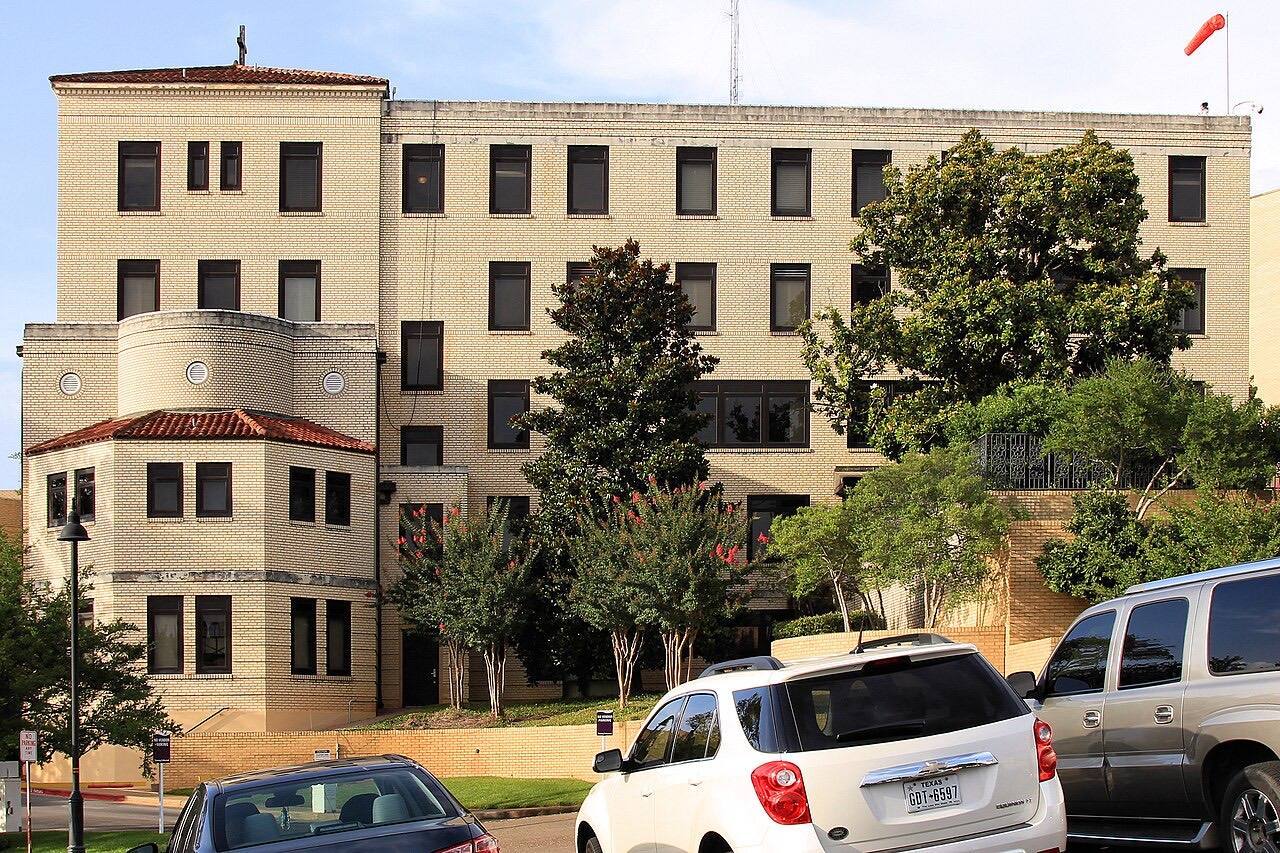
On the other hand, the right champions market-driven solutions, emphasizing the need for competition to spur innovation. However, this approach often results in a fragmented system where many patients are left without the care they need. The constant push for privatization can exacerbate the backlog, as hospitals prioritize profitability over patient care, leading to longer waits for surgeries and treatments.

The Impact on Patients
The surgical backlog means that patients are not just enduring delays; they are suffering. For those waiting for necessary procedures, the uncertainty can be overwhelming. Chronic pain, anxiety, and deteriorating health can take a significant toll on individuals and their families. Many patients express frustration at the lack of transparency regarding wait times and the reasons for delays. As healthcare systems become increasingly complex, patients find themselves adrift in a sea of uncertainty.
Searching for Solutions
As the political left and right grapple with their ideologies, the question remains: how do we address the surgical backlog effectively? It requires a commitment to understanding the unique challenges facing healthcare providers while also prioritizing patient care. Solutions may lie in fostering collaboration between public and private sectors, streamlining processes, and investing in technologies that improve efficiency without compromising the quality of care.

Moreover, we must advocate for patient-centered care that prioritizes the needs of individuals over political agendas. This means ensuring that patients have access to timely procedures and that healthcare providers are held accountable for maintaining reasonable wait times. It is time for both sides of the aisle to acknowledge the urgency of this issue and work together to implement real solutions.
A Call to Action
As we face this growing surgical backlog, it is essential for all stakeholders - patients, healthcare providers, and policymakers - to come together. We need a commitment to transparency, efficiency, and accountability in healthcare delivery. The time has come for a concerted effort to tackle this issue head-on, rather than allowing it to fester while political battles rage on.
Patients deserve better. They deserve a healthcare system that prioritizes their needs and delivers timely care. As the headlines fade, let us not forget the real lives impacted by the surgical backlog. It is time for action, not rhetoric.
✦ ✦ ✦