From the file. Written for the paper dated May 2011. Opened in the public stacks July 14, 2026.
As the world emerges from the throes of an economic downturn, the complexities of the supply chain have never been more critical. Businesses are grappling with uncertainty, and in this environment, the demand for reliability and predictability is soaring.
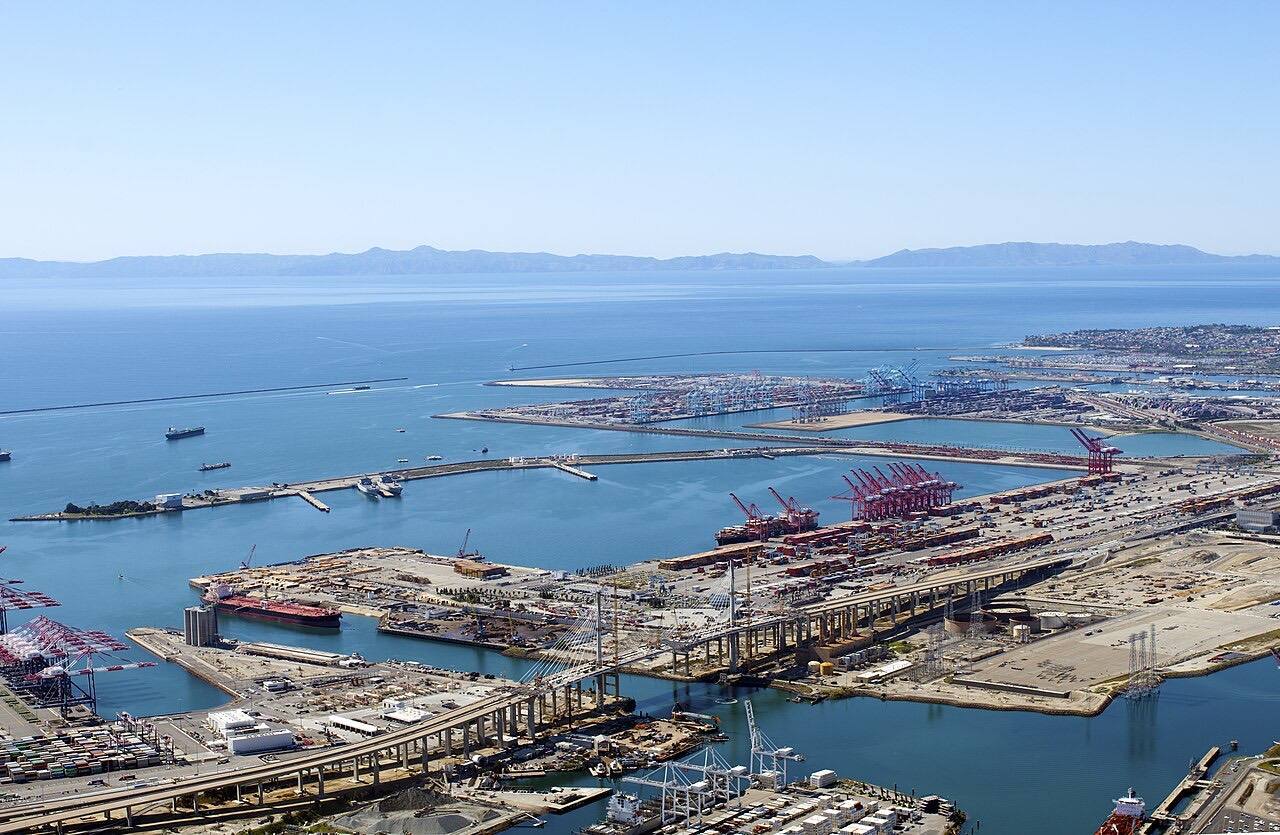
Understanding Supply Chain Dynamics
In recent years, the term "supply chain" has become synonymous with efficiency, but the reality is that it encompasses a delicate balance of risk management and resource allocation. Companies are now acutely aware that a single disruption can have a ripple effect, impacting everything from production schedules to customer satisfaction. As a result, organizations are investing heavily in robust supply chain strategies that prioritize certainty over mere cost-cutting.

The global landscape is rife with uncertainties, from natural disasters to geopolitical tensions. This has led businesses to seek out suppliers and logistics partners that can offer greater reliability. For instance, firms are increasingly favoring local suppliers to minimize the risks associated with long-distance transportation and foreign markets. This shift underscores a broader trend where businesses are willing to pay a premium for stability.

The Left's Approach: Regulation Overreach
On the left side of the political spectrum, there is a growing insistence on regulation as a means to ensure supply chain integrity. While the intention is commendable, the reality is that excessive regulation can stifle innovation and increase costs for businesses. The push for stringent environmental standards, for example, is well-intentioned, but it can lead to unintended consequences that hamper businesses’ ability to adapt quickly to market demands.

"In a quest for safety and sustainability, we must not forget that overregulation can suffocate the very businesses we aim to protect."
Moreover, the emphasis on corporate social responsibility can inadvertently create a burden on smaller businesses that lack the resources to comply with complex regulations. The left's desire to create a fairer marketplace must be balanced with the need to foster an environment where businesses can thrive and innovate, particularly in a volatile economic landscape.
The Right's Approach: Overemphasis on Free Markets
Conversely, the right's approach often hails the free market as the ultimate solution to supply chain woes. The belief that market forces alone will resolve inefficiencies ignores the reality that unchecked capitalism can lead to monopolies and a lack of accountability. In the race to cut costs, some companies may compromise on quality and ethics, creating a fragile supply chain that is susceptible to disruption.

"A hands-off approach to the market may lead to short-term gains, but it risks long-term stability and consumer trust."
The insistence on deregulation, particularly in industries like food and pharmaceuticals, raises concerns about safety and transparency. The right must recognize that while free markets are crucial, they need to be tempered with responsible oversight to ensure that consumers are protected and ethical practices are upheld.
Finding Common Ground
In this polarized environment, there is an urgent need for both sides to find common ground. A balanced approach that integrates regulatory measures with market flexibility may be the key to fostering a resilient supply chain. Businesses should be encouraged to adopt best practices that enhance transparency and accountability, while also being given the freedom to innovate and respond swiftly to changing market conditions.
As companies navigate this complex landscape, the focus must remain on cultivating relationships with suppliers that emphasize reliability. This will not only bolster the stability of individual businesses but also contribute to the overall health of the economy. In a world where uncertainty is the only certainty, the ability to deliver consistent value to customers is paramount.
Conclusion: A Call for Collaboration
In conclusion, the supply chain is at a crossroads. Both left and right have their valid points, yet the extremes on either end threaten to derail progress. By fostering an environment that values both responsible regulation and the dynamism of free markets, we stand a better chance of creating a sustainable supply chain that meets the demands of today's consumers. Collaboration, rather than confrontation, will pave the way for a more resilient future.
✦ ✦ ✦