From the file. Written for the paper dated May 2011. Opened in the public stacks July 14, 2026.
As the debate over healthcare reform continues to dominate headlines, public clinics stand at a crossroads, grappling with both the promise of reform and the reality of funding shortages.
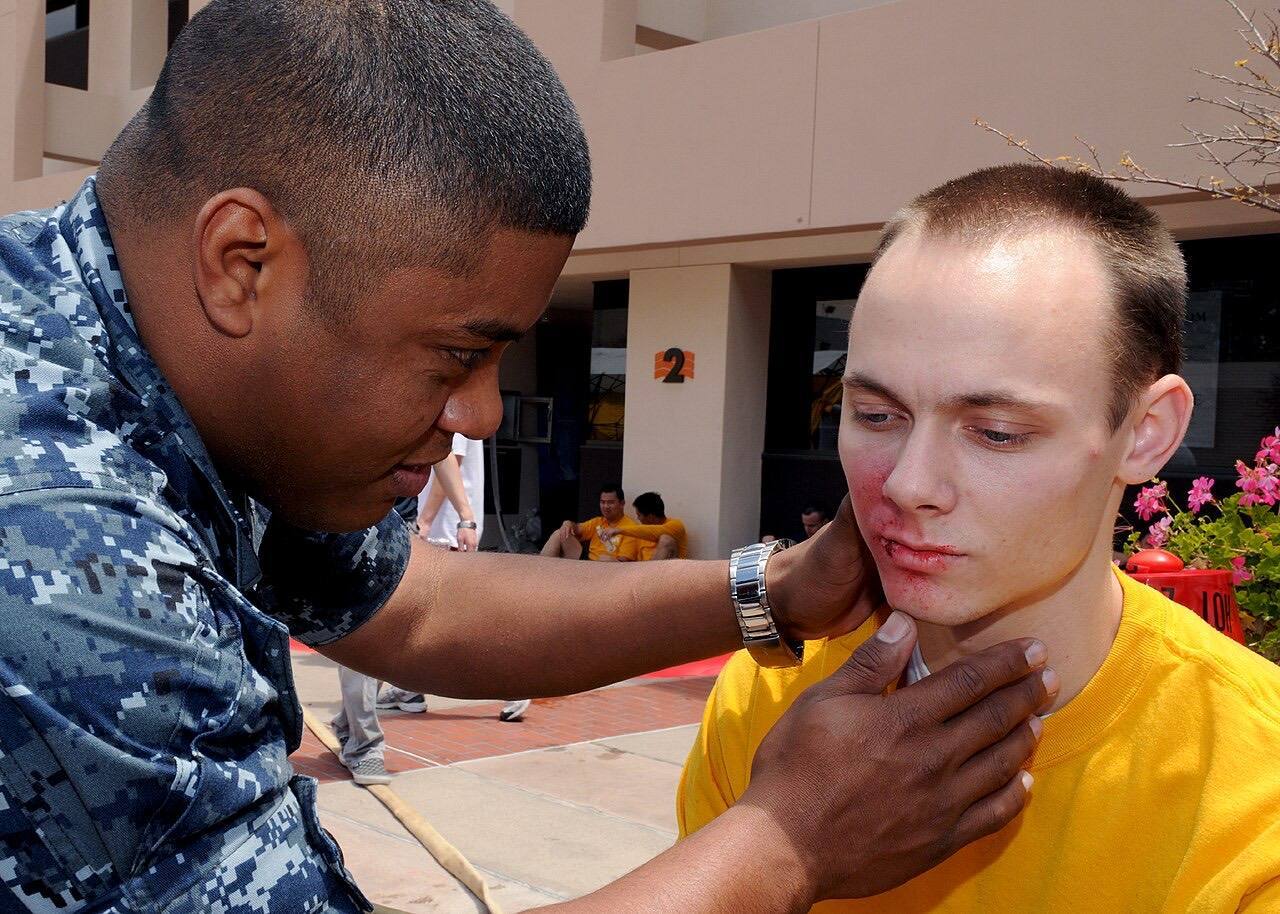
Healthcare at a Crossroads
In the wake of President Obama’s ambitious healthcare reform agenda, public clinics have become a focal point in the ongoing discussion about access to healthcare. With the promise of expanded coverage for millions, one might expect these facilities to be flourishing. However, beneath the surface, uncertainty looms large. Clinics face a dual challenge: the need to adapt to new regulations while navigating the ongoing financial constraints that threaten their very existence.

Public clinics serve as a lifeline for low-income individuals and families, providing essential services such as primary care, dental care, and mental health services. Yet, the reliance on government funding has left many clinics vulnerable, as budget cuts and political gridlock threaten their operations. As the rhetoric around healthcare reform heats up, the reality for these clinics often fails to match the lofty promises made by policymakers.
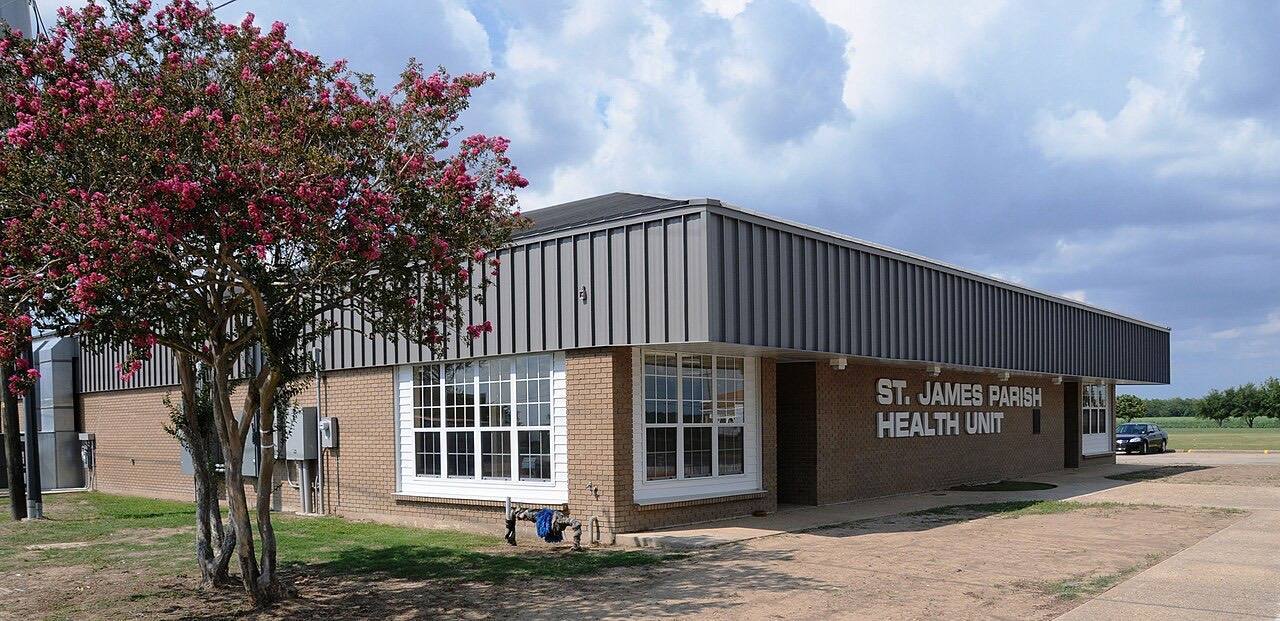
Certainty in Uncertain Times
What is it that makes certainty such a hot commodity in these turbulent times? For one, the fear surrounding healthcare access has driven patients toward public clinics that offer a sense of stability amidst the chaos. With many private practices hesitant to accept Medicaid or Medicare, public clinics have positioned themselves as the go-to option for those seeking reliable healthcare. This increase in patient volume brings its own set of challenges but also illustrates a growing recognition of the importance of these facilities.
Public clinics are becoming the cornerstone of healthcare for many, but they cannot survive on certainty alone.
Moreover, the sheer volume of stories highlighting the struggles of the uninsured has brought attention to the critical role that public clinics play in the healthcare ecosystem. These clinics have become synonymous with compassion and care, operating on the front lines to serve the most vulnerable populations. However, the certainty that many patients are seeking may not be sustainable without addressing the underlying funding issues.
Political Polarization and Healthcare
The political landscape surrounding healthcare is fraught with polarization, with both sides of the aisle offering contrasting visions for reform. On one hand, advocates for single-payer systems argue that universal coverage would alleviate many of the pressures currently faced by public clinics. On the other hand, opponents fear that such a system would lead to long wait times and diminished quality of care.

This divide often manifests in how funding is allocated to public clinics. Conservative lawmakers frequently push for cuts to social programs, arguing that these funds should be redirected elsewhere. Meanwhile, progressives advocate for increased investment in public healthcare infrastructure, viewing clinics as essential to achieving universal coverage. The result is an environment where clinics are left to fend for themselves amidst competing ideologies.
The Patient Experience
While the debate rages on, patients continue to seek care. The experience within public clinics often reflects the broader issues at play in the healthcare system. Long wait times, understaffed facilities, and limited resources are common complaints. Yet, many patients express gratitude for the care they receive, highlighting the dedication of healthcare professionals who work tirelessly in these challenging conditions.
Mary Thompson, a patient at a local public clinic, shared her experience: “I know it’s not perfect, but my doctor takes the time to listen to me, and that matters. I feel like I can trust them.” This sentiment echoes the feelings of many who rely on public clinics for their healthcare needs, illustrating the human element that is often lost in political discourse.
Looking Ahead
As we move forward, the fate of public clinics hangs in the balance. The certainty that patients seek may only be attainable through a concerted effort to address funding disparities and improve the overall healthcare landscape. The upcoming debates in Congress will be critical in determining whether these clinics can continue to serve as a beacon of hope for those in need.
In a time when excesses on both sides threaten to derail meaningful progress, it is imperative that we find common ground. Public clinics are not just a political issue; they are a human one. The challenge lies in fostering a dialogue that prioritizes the well-being of patients over partisan interests.
✦ ✦ ✦