From the file. Written for the paper dated May 2011. Opened in the public stacks July 14, 2026.
As the dust settles on the headlines surrounding the latest judicial vacancy, the reality of the situation demands a closer examination of the implications for both the left and the right in our polarized political climate.
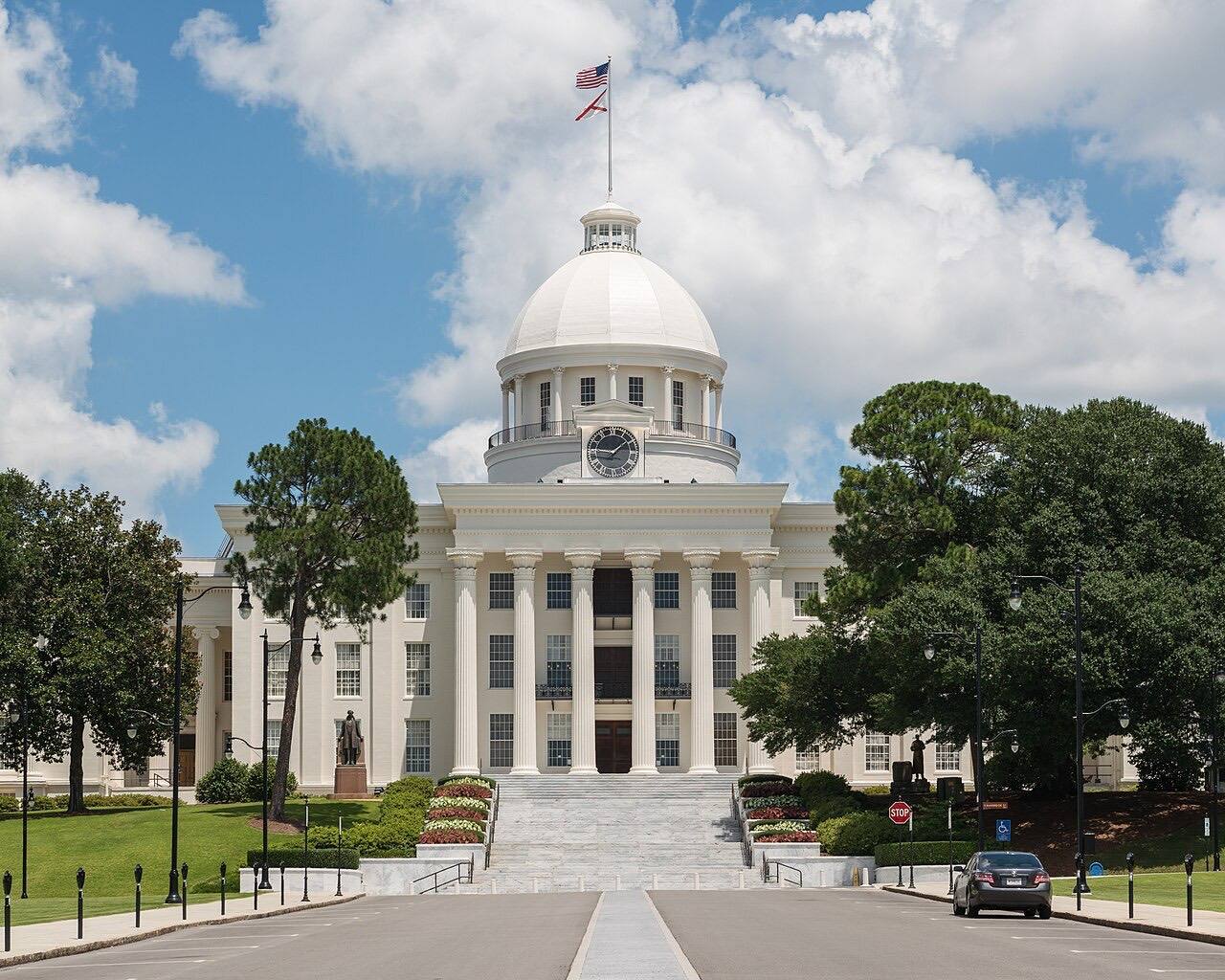
The Stakes of Judicial Appointments
The recent vacancy on the nation’s highest court has created a firestorm of debate, rekindling the age-old discussions about the role and influence of the judiciary in American life. While the left champions the necessity of progressive judges who will uphold civil rights and social justice, the right is equally fervent in their demand for strict constitutionalists who will interpret the law as it stands, rather than as they wish it could be.

This tension is palpable, and it’s no surprise that both sides are gearing up for what promises to be a contentious confirmation battle. With the balance of the court hanging in the balance, the stakes have never been higher. Each side is scrambling to assert its narrative, leveraging the vacancy to energize their respective bases. Yet, in the fervor of political rhetoric, the reality of the judicial appointment process often gets lost in the shuffle.

The Left's Call for Progress
On the left, there is a desperate need for judicial nominees who will push the envelope on progressive issues. Advocates argue that the judiciary has a critical role to play in safeguarding rights that have historically been under attack, including reproductive rights, healthcare access, and voting rights. They argue that the current political landscape, where state legislatures have been increasingly emboldened to enact restrictive laws, underscores the urgent need for justices who will act as a bulwark against such encroachments.

"The judiciary must reflect the diversity and values of our society, not just the narrow views of the few."
However, the left’s insistence on “progressive” judges can sometimes lead to a narrow view of judicial philosophy. It risks pigeonholing nominees into a box that emphasizes their political leanings over their qualifications and judicial temperament. A focus on ideology over merit could backfire if nominees become embroiled in partisan bickering rather than focusing on the law.
The Right's Quest for Constitutionalism
Conversely, the right is rallying around the call for strict constitutionalists who interpret the law with a rigid adherence to the original text. They assert that the judiciary should not take on a legislative role, claiming that justices who engage in judicial activism are undermining the fabric of democracy. For them, the appointment of judges who will limit the power of the federal government and protect individual freedoms is paramount.

"Judges should serve as referees, not players in the political game."
Yet, this excessive focus on originalism can lead to a failure to adapt to the evolving realities of society. The Constitution is a living document that requires interpretation against the backdrop of contemporary issues. An overly rigid approach may ignore the complexities of modern governance, ultimately hindering progress on pressing societal issues.
The Danger of Certainty in a Fluid Landscape
As the judicial confirmation process unfolds, both sides are selling certainty in an uncertain world. The left promises progressive change, while the right offers a return to foundational principles. However, this thirst for absolute answers in a fluid legal landscape can lead to dangerous oversimplifications. The judiciary is not merely a tool for advancing political agendas; it is a complex institution that requires careful deliberation, nuanced understanding, and a commitment to justice over ideology.
Both sides must recognize that the path to effective governance lies not in the certainty of outcomes but in the willingness to engage with differing perspectives. The judiciary should function as a mediator of conflict, not an arena for political warfare. The insistence on ideological purity serves to further entrench divisions rather than foster cooperation and understanding.
Conclusion
As we await the nomination and confirmation of a new justice, it is crucial for both sides to reflect on the implications of their demands. The judiciary’s role in American life is not merely about reflecting the political spectrum; it is about upholding the rule of law and ensuring justice for all. The current moment calls for a commitment to judicial excellence over political expediency, a recognition that the law is not simply a reflection of our desires but a framework that must adapt to the complexities of our society.
✦ ✦ ✦