From the file. Written for the paper dated April 2011. Opened in the public stacks July 14, 2026.
In an era where hyper-partisanship seems to dominate the political landscape, the concept of the "middle seat method" offers an intriguing lens through which to examine the selective memory that plagues both sides of the aisle.
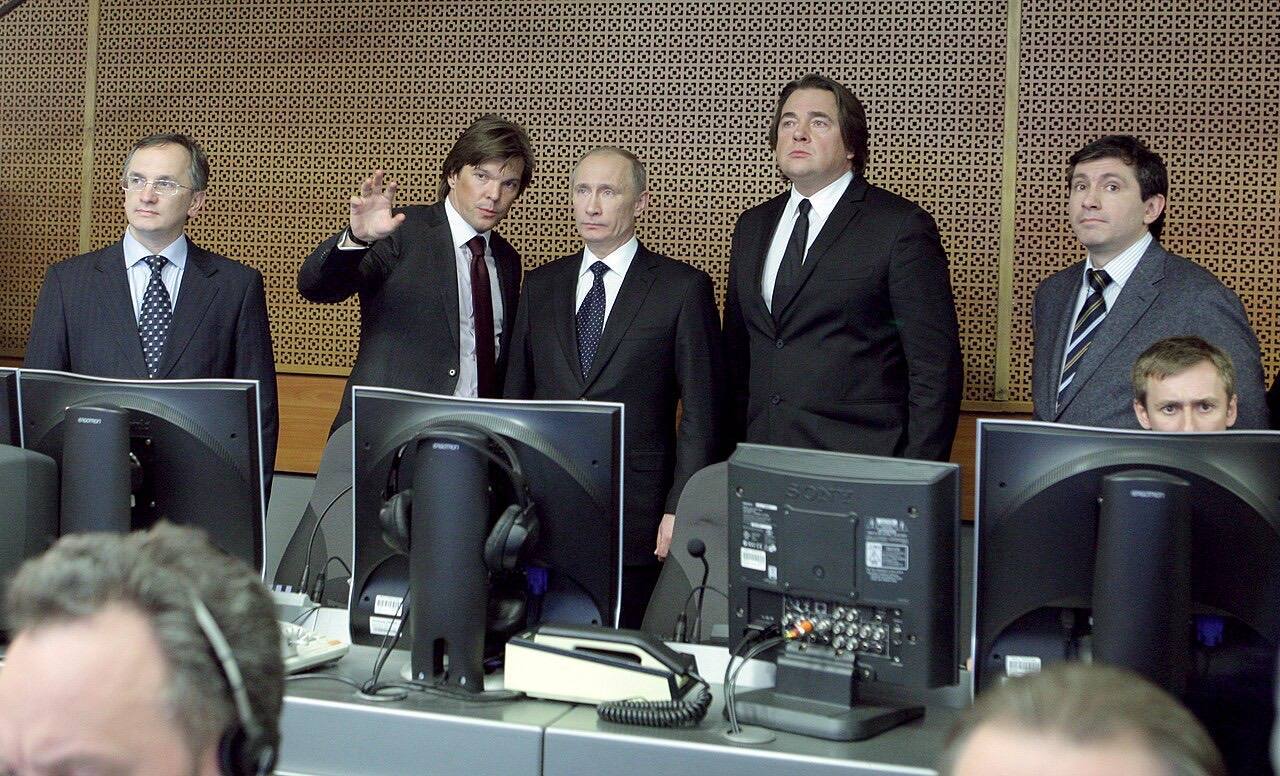
The Middle Seat Method Explained
The middle seat method is a metaphorical approach that encourages us to take a moment to recognize the perspectives of both political parties. It urges us to step back from our entrenched positions and occupy the uncomfortable middle seat, where we can appreciate the merits and flaws of both sides. In doing so, we might find common ground and solutions that benefit the collective rather than the polarized extremes.
Left Excesses: The Overreach of Idealism
On the left, we see an alarming trend of idealism that often ignores pragmatic realities. The fervor for progressive policies can sometimes cloud judgment, leading to proposals that are more about aspiration than feasibility. For instance, the push for sweeping healthcare reform has ignited passionate debates, but the left often glosses over the complexities of implementation and the potential pushback from the public and private sectors.

This fixation on idealistic goals can lead to a disconnect with the everyday concerns of average Americans. While advocating for social justice and economic equality is commendable, it is equally important to consider the practical implications of these policies. The middle seat method reminds us that good intentions alone do not equate to good governance.
Right Excesses: The Echo Chamber of Simplistic Narratives
Conversely, the right often retreats into a bubble of simplistic narratives that tend to vilify opposing viewpoints. The insistence on tax cuts as the panacea for all economic woes ignores the multifaceted nature of fiscal policy and the diverse needs of a complex society. The tendency to blame government intervention for all economic downturns can often lead to a refusal to acknowledge the role of systemic issues that require comprehensive solutions.
Moreover, the right’s rhetoric surrounding issues such as immigration often leans heavily on fear tactics, painting a picture of an "us vs. them" scenario. This approach not only alienates potential allies but also undermines the rich tapestry of contributions made by immigrants to the American economy and culture. The middle seat method calls for a more nuanced understanding that recognizes the benefits of immigration while addressing legitimate concerns regarding national security and economic stability.
Selective Memory: A Bipartisan Affliction
The most troubling aspect of this polarized environment is the bipartisan habit of selective memory. Both sides have a tendency to cherry-pick historical events and data that support their narratives, while conveniently overlooking facts that might challenge their beliefs. This selective amnesia not only distorts public discourse but also hampers genuine progress.
For instance, when discussing the financial crisis of 2008, the left often focuses solely on the deregulation of the financial sector, placing blame on the right. Meanwhile, the right may point fingers at governmental housing policies without acknowledging the role of Wall Street practices. By failing to confront the complexities of the crisis, both sides risk repeating the same mistakes.
"The middle seat method urges us to step back from our entrenched positions and appreciate the merits and flaws of both sides."
Bridging the Divide
To bridge the divide that separates the left and the right, we must embrace the middle seat method as a tool for constructive dialogue. This approach requires humility, as it compels us to listen to opposing viewpoints and critically evaluate our own beliefs. It is through this process of reflection and engagement that we can move beyond the echo chambers that currently shape our political discourse.
Additionally, fostering environments where bipartisan collaboration is not only encouraged but celebrated can lead to more effective governance. This means creating space for moderate voices and centrist policies that can appeal to a broader audience, rather than catering exclusively to the extremes.
A Call to Action
As citizens and stewards of democracy, we have a responsibility to reject the allure of partisan loyalty that demands absolute allegiance. Instead, we should cultivate a culture of inquiry and openness that values the input of diverse perspectives. The middle seat method is not just an intellectual exercise; it is a call to action for all of us to participate in a more constructive and inclusive political process.
✦ ✦ ✦