From the file. Written for the paper dated April 2011. Opened in the public stacks July 14, 2026.
As the political landscape sways precariously between the left and right, the recent vacancy in the judiciary has unearthed a troubling trend: the bipartisan habit of selective memory regarding the appointment process.

The Political Tug of War
The recent announcement of a high-profile judicial vacancy has sparked a fierce debate among lawmakers, with both parties scrambling to position themselves advantageously. Democrats and Republicans alike are invoking the specter of past judicial appointments to justify their current stances. Yet, in this battle for ideological supremacy, both sides seem to conveniently forget their own histories when it comes to judicial nominations.
On one hand, Democratic senators are rallying around the idea of a fair and timely appointment process, underscoring the need for a judge who embodies progressive values. However, it was not long ago that the same group stood by as President Obama faced unprecedented obstruction from Senate Republicans during his nominations. The hypocrisy is palpable; the same individuals who now demand swift action on nominations were silent when their own president faced a barrage of delays.
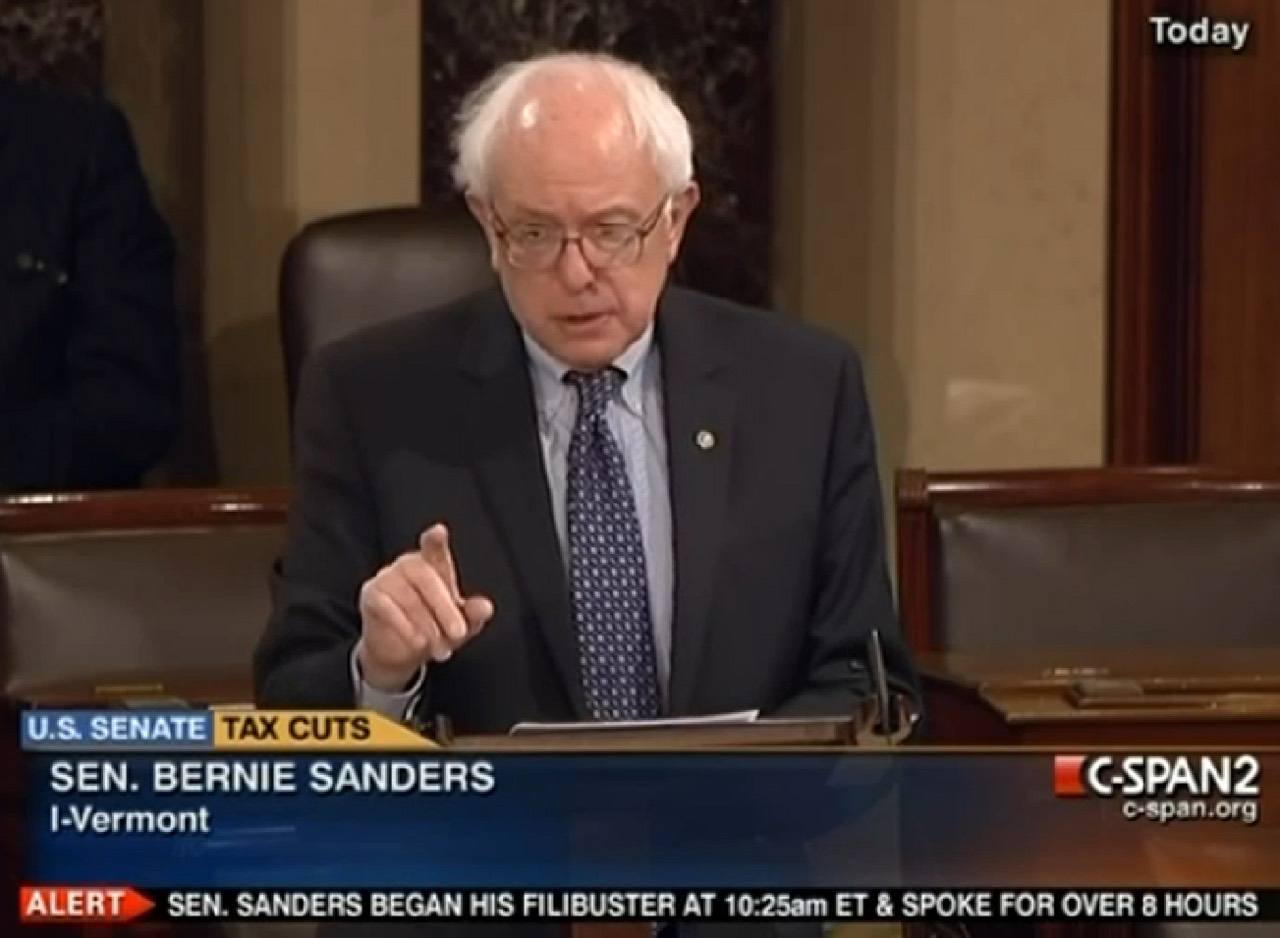
Conversely, Republicans are quick to brandish the phrase “up or down vote” whenever a Democratic president is in office, advocating for transparency and the rights of the minority party. Yet, during the latter years of the Bush administration, the GOP exercised its own brand of selective memory, employing tactics to stall or outright reject nominations that challenged their ideological framework. Now, as they seek to reclaim a seat on the bench, that same urgency for a robust judiciary seems to have faded into the background.

"The battle for judicial appointments reveals a troubling trend: a willingness to forget one's own past in the pursuit of political gain."
Judicial Nomination: A Game of Politics
The judiciary, once seen as a pillar of impartiality, has increasingly become a pawn in the political game. Senators on both sides of the aisle are not merely advocating for judges; they are advocating for judges who reflect their own political ideologies. This trend raises an important question: Can we truly expect a fair and balanced judiciary when the nomination process is so heavily tainted by partisanship?
What is particularly concerning is the growing perception that judicial appointments are merely extensions of the political whims of those in power. As both sides of the aisle engage in this selective memory, the principle of an independent judiciary is increasingly at risk. In an era where judicial decisions can reshape societal norms, such a mindset poses a significant threat to the very fabric of our justice system.
Beyond the Rhetoric
As both parties engage in this tug-of-war, it is essential for voters to recognize the implications of these actions. The rhetoric surrounding judicial nominations often fails to reflect the realities of governance. Instead of looking to the past for lessons, members of Congress have opted for a selective retelling of events, crafting narratives that bolster their current agendas.
Many citizens are left scratching their heads, wondering how to navigate a system that appears to be more concerned with political posturing than with serving justice. The stark contrast between the ideals espoused by our leaders and the reality of their actions is a disheartening reflection of the current political climate.
The Path Forward
To restore faith in the judicial system, both parties must commit to a process that prioritizes qualifications over political affiliation. It is time for lawmakers to step away from their selective memories and acknowledge the importance of a judiciary that is not only independent but also reflective of the diverse values held by the populace.
As we move forward, the challenge lies in breaking the cycle of partisanship that has plagued judicial nominations. By fostering a spirit of cooperation and understanding, there is potential for a more balanced and fair judiciary that can rise above the fray of political gamesmanship. Only then can we hope to witness the restoration of public trust in a system that is meant to uphold justice for all.
✦ ✦ ✦