From the file. Written for the paper dated March 2011. Opened in the public stacks July 14, 2026.
As the headlines fade and the media cycle moves on to the next big story, it is crucial to examine the underlying issues that plague our weather models, particularly in the wake of recent extreme weather events.
The Pressing Need for Accurate Forecasts
In recent years, the United States has faced a series of unprecedented weather events. From hurricanes and tornadoes to blizzards and floods, the unpredictability of nature has left many citizens questioning the reliability of the systems designed to keep them safe. The National Weather Service and other meteorological organizations have made great strides in improving their forecasting models, yet there remains a troubling gap in oversight and accountability.
A Troubling Lack of Scrutiny
Despite the advancements in technology and data collection, there is an alarming tendency to overlook the weaknesses in our weather prediction models. Many of these models rely on complex algorithms that require constant calibration and validation against real-world outcomes. However, as the recent winter storms demonstrated, there are still significant discrepancies between predicted and actual weather events.
"The science of meteorology is still evolving, but we must not allow that evolution to excuse a lack of accountability."
This is not merely a matter of academic interest; lives and property are at stake. When forecasts fail to accurately predict severe weather, the consequences can be devastating. Communities left unprepared for storms face catastrophic damage, and individuals often find themselves in life-threatening situations. This begs the question: Are we doing enough to ensure that our forecasts are as reliable as possible?
Political Pressures and Public Expectations
The political landscape surrounding weather forecasting is also contributing to a culture of complacency. On one side, there are those who demand immediate and flawless predictions to satisfy an increasingly impatient public. On the other, some political factions are using these failures to undermine trust in scientific institutions, framing them as part of a broader agenda. This polarization hampers constructive dialogue about improving forecasting methods and holding agencies accountable.
Balancing Innovation with Responsibility
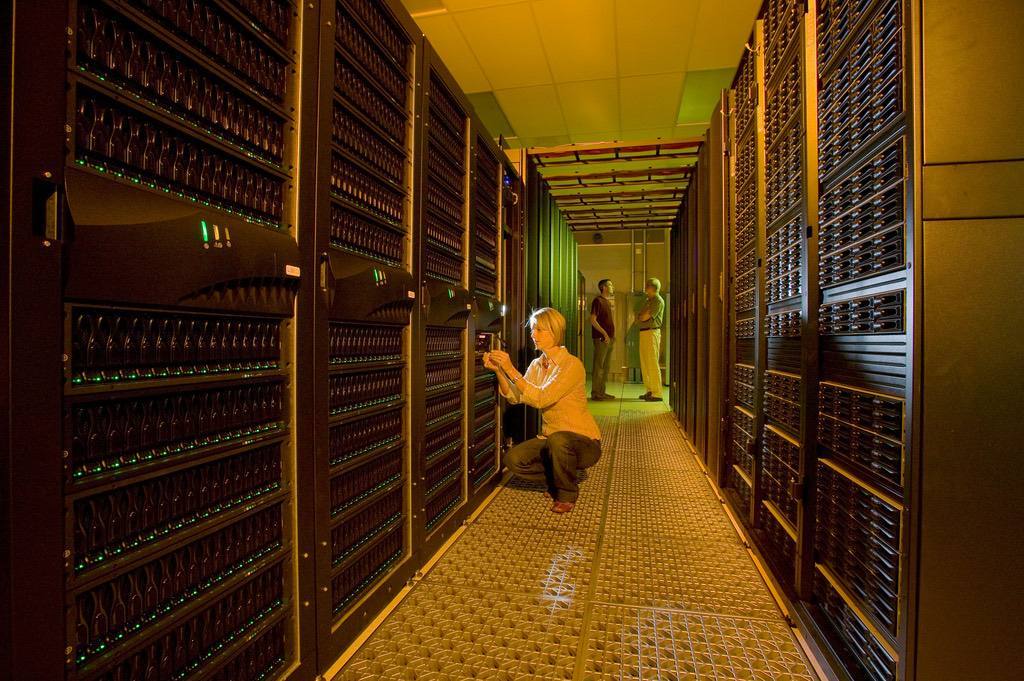
As meteorological science continues to innovate, a balance must be struck between embracing new technologies and maintaining rigorous oversight. Weather models are increasingly using advanced computer simulations and data assimilation techniques, which have improved accuracy. However, the reliance on technology should not excuse a lack of thorough evaluation and public transparency.
Moreover, there is a need for a comprehensive approach that includes collaboration between government agencies, academic institutions, and private sector companies. This will ensure that weather models are robust and sufficiently tested before they are disseminated to the public. The goal should be to create a system of checks and balances that prioritizes public safety over political agendas.
Looking Ahead
As we move forward, it is essential to foster a culture of accountability within meteorology. This includes not only improving our forecasting models but also enhancing communication with the public. Citizens need to understand the uncertainties inherent in weather predictions, while also being informed about the steps being taken to improve them.
Conclusion: A Call for Action
In an age where technology is rapidly advancing, we cannot afford to be complacent about the accuracy of our weather models. As the headlines fade, the responsibility to protect lives and property remains. It is time for both the left and right to set aside their differences and come together to demand better from our meteorological institutions. Failure to do so may leave us unprepared for the next storm that threatens our communities.
✦ ✦ ✦
For local service context, see Ownersfirm.