From the file. Written for the paper dated March 2011. Opened in the public stacks July 14, 2026.
In the wake of recent high-profile laboratory incidents, the conversation around lab safety has intensified, yet the urgency often dissipates as quickly as the headlines fade. This poses a critical question: Is the safety of our research environments truly being prioritized, or is it merely a fleeting concern?

Understanding the Current Landscape
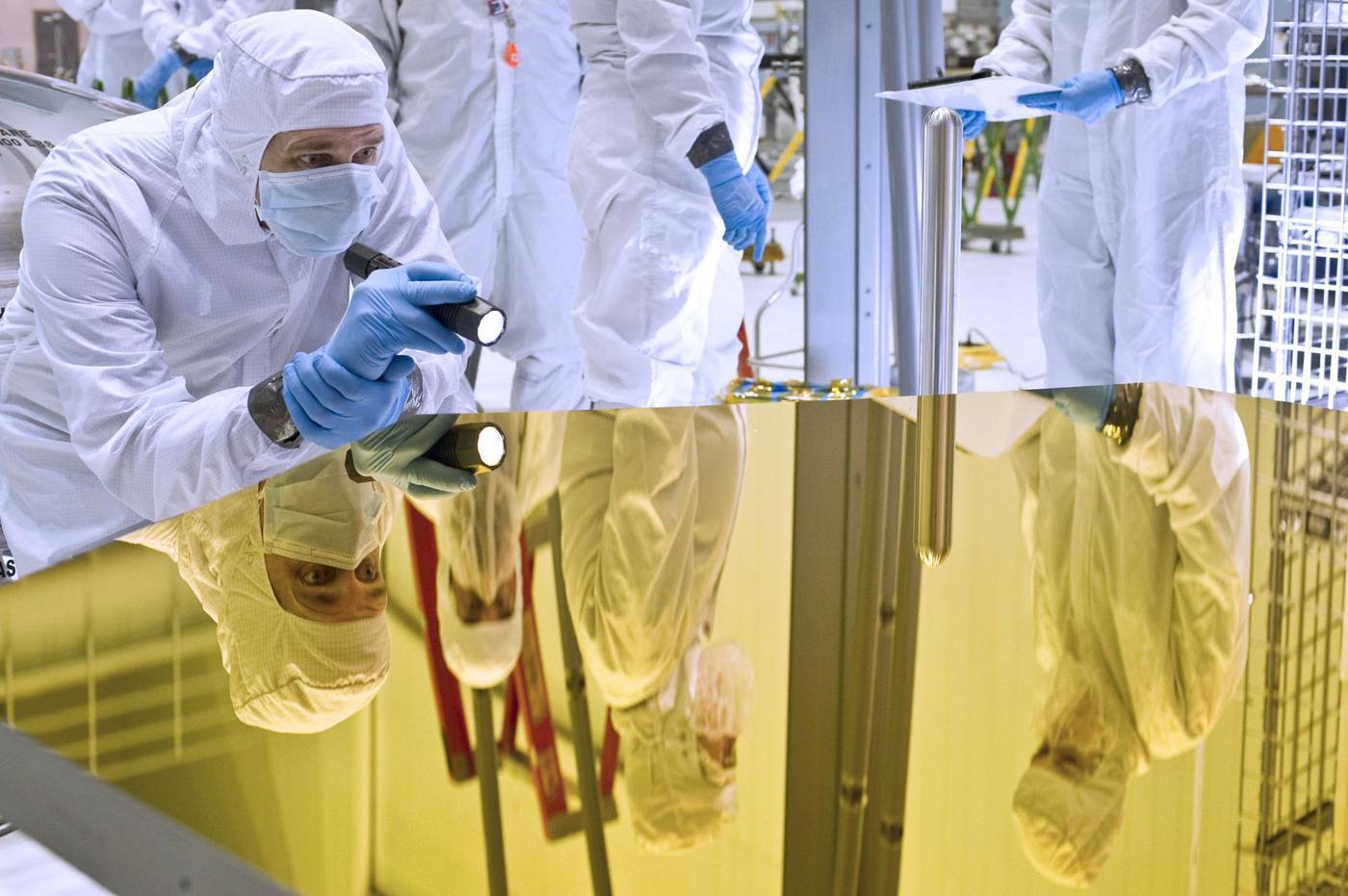
Laboratories are supposed to be bastions of innovation and discovery, yet they can also be arenas of significant risk. From chemical spills to equipment malfunctions, the potential hazards are numerous. Following several alarming incidents in laboratories across the country, media coverage surged, bringing lab safety into the limelight. However, as the stories fade from the front pages, the commitment to meaningful change appears to wane.
Despite regulatory frameworks intended to enforce safety standards, many labs continue to operate without adequate oversight. The Occupational Safety and Health Administration (OSHA) and other regulatory bodies have established guidelines designed to protect researchers, but enforcement remains inconsistent. Some institutions prioritize compliance as a checkbox exercise rather than a serious commitment to safety culture.
The Disconnect Between Policy and Practice
One of the most significant issues contributing to lab safety failures is the disconnect between policy and practice. Academic institutions and private companies often adopt safety policies that look good on paper but lack the necessary support for effective implementation. Training programs can be rushed or inadequately funded, leaving researchers ill-prepared to handle emergencies.
Moreover, the culture of academia often discourages open discussions about safety concerns. Researchers may hesitate to report hazardous conditions for fear of damaging their careers or jeopardizing funding. This silence can lead to a perilous environment where safety is compromised in pursuit of publishing results or securing grants.
“The conversation about lab safety is critical, but it needs to extend beyond the headlines and into the daily practices of every researcher.”
Excesses on Both Sides
The recent discussions surrounding lab safety have revealed excesses on both the left and the right of the political spectrum. On one hand, some advocates push for stringent regulations that could stifle innovation and burden researchers with excessive paperwork. While safety is paramount, imposing overbearing regulations can hinder the very advancements that laboratories are meant to foster.

Conversely, there are voices on the right that dismiss the need for stringent safety measures entirely, arguing instead for an unfettered approach to research that prioritizes speed and flexibility. This perspective can lead to dangerous oversights and a lack of accountability, which ultimately compromises the safety of both researchers and the public.
Finding a Balanced Approach
What is needed is a balanced approach that encourages innovation while ensuring safety. Institutions must foster a culture of accountability where safety is seen as a shared responsibility. This can be achieved by promoting transparency and encouraging dialogue about potential hazards. Rather than viewing safety protocols as an obstacle, researchers should see them as essential components of their work.
Furthermore, funding agencies and institutions must invest in robust training programs that equip researchers with the knowledge and skills to navigate complex laboratory environments. Such investment not only protects individuals but also enhances the integrity of the research being conducted.
Moving Forward
As we reflect on the current state of lab safety, it is imperative that we do not allow the urgency of these discussions to fade with the news cycle. Researchers, institutions, and policymakers must come together to create a sustainable safety culture that prioritizes human lives alongside scientific advancement. This is not merely a regulatory issue; it is a moral imperative.
In conclusion, the headlines may fade, but the responsibility to ensure lab safety remains. It is time for all stakeholders to recommit to creating safer environments that allow for the groundbreaking work that our society depends upon. Only then can we build a future where innovation and safety go hand in hand.
✦ ✦ ✦