From the file. Written for the paper dated February 2011. Opened in the public stacks July 14, 2026.
As winter storms sweep across the nation, the reliability of weather models is under scrutiny. This week's weather forecasts highlight both the advancements and shortcomings of meteorological science.
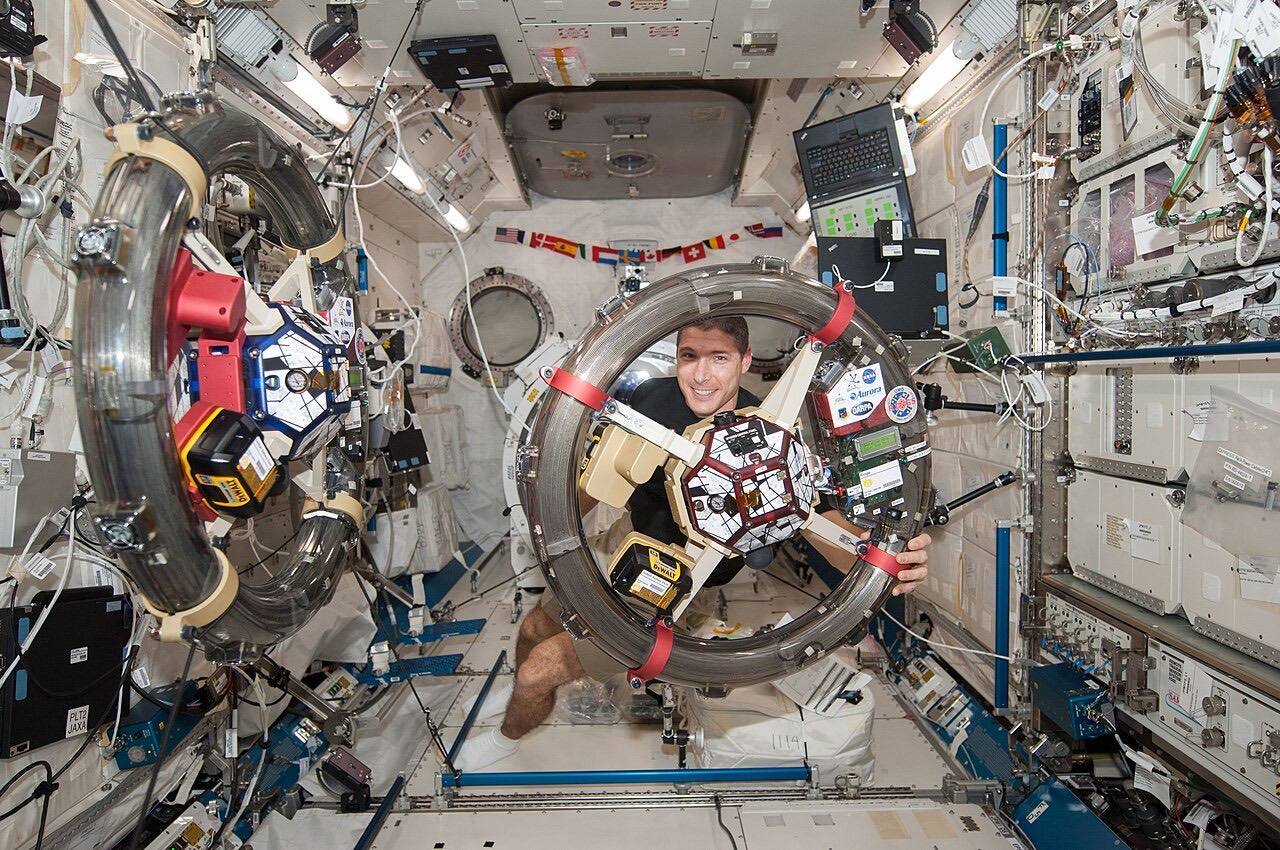
The State of Weather Modeling
Weather forecasting has come a long way since the days of merely observing the sky and consulting folklore. Today, sophisticated weather models utilize vast amounts of data and advanced algorithms to predict everything from daily temperatures to severe storm patterns. However, the recent fluctuations in forecasts have ignited debate about the accuracy and reliability of these models.
As meteorologists grapple with unpredictable weather systems, the reliance on models that can sometimes miss the mark raises questions. Take, for example, the recent blizzard predictions that left many residents scrambling for supplies as forecasts shifted from light snow to a full-blown winter storm in a matter of hours. Such discrepancies can lead to confusion and frustration among the public - an issue that is exacerbated when communication from meteorologists fails to match the urgency of the situation.
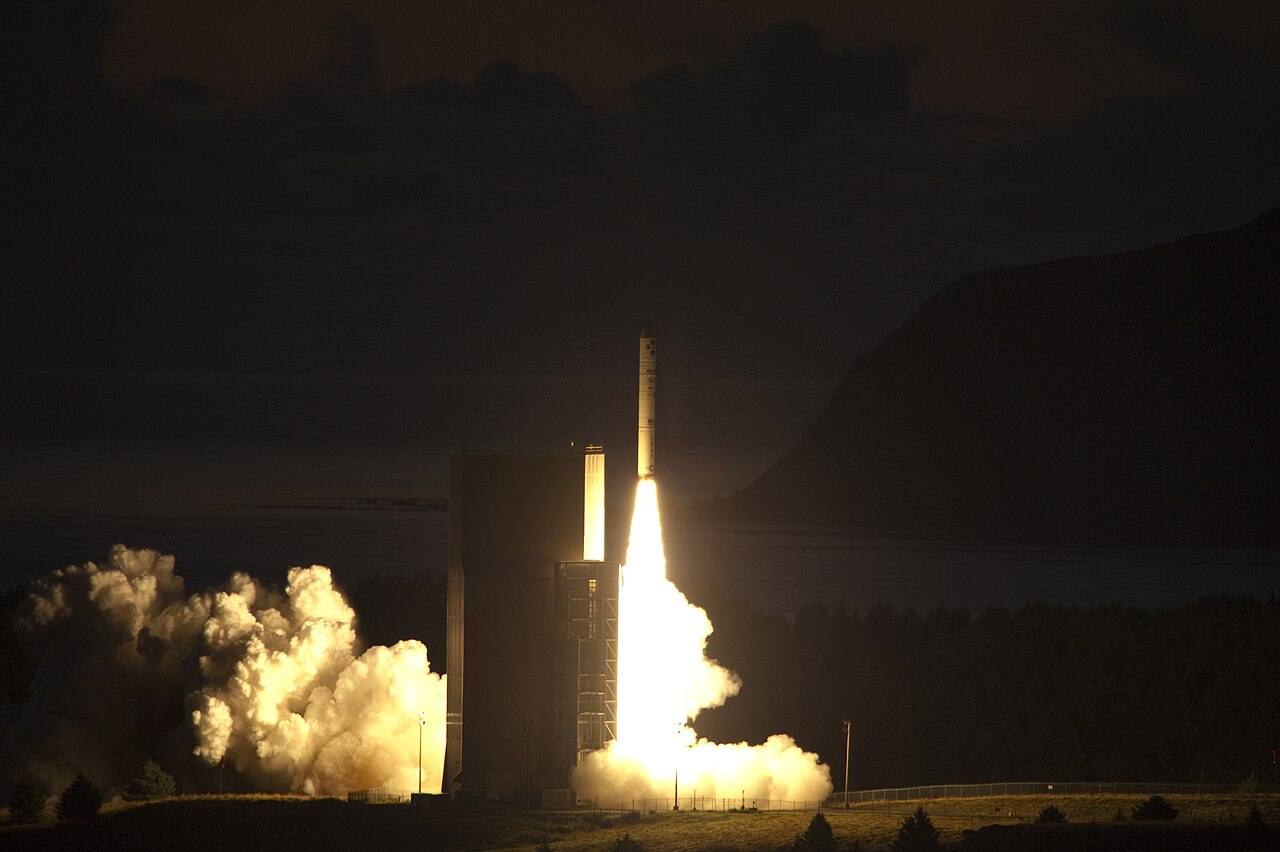
"The science of forecasting is complex, but that does not excuse confusion in communication."
Left and Right: The Forecasting Debate
The ongoing dialogue surrounding climate change has further complicated discussions about weather models. On one hand, some environmental advocates argue that these models should emphasize the alarming trends associated with global warming. They call for greater urgency in educating the public about the potential impacts of climate fluctuations. However, this has led to accusations of alarmism from skeptics who view such narratives as exaggerated or politically motivated.
On the other side, some conservative commentators argue that the scientific community is overstepping its bounds by promoting climate agendas that prioritize policy over empirical data. This skepticism often manifests in resistance to funding for climate research and advocacy for deregulation, which they claim burdens businesses unnecessarily. The result is a polarized environment where meaningful discourse about weather science becomes entangled in political agendas.
A Call for Middle Ground
Perhaps the most pressing need is a middle ground in the conversation about weather models and climate science. Acknowledging the limitations of forecasting technology and the uncertainties inherent in the science is essential. Meteorologists should communicate these complexities transparently, fostering an informed public rather than one rife with fear or dismissal.
Moreover, fostering collaboration between scientists, policymakers, and the public can create a more constructive dialogue. This collaboration should aim to balance environmental concerns with economic realities. It is not about abandoning the pursuit of climate change awareness but rather advocating for responsible and effective policies that do not sacrifice economic stability.
Concluding Thoughts
As we navigate through unpredictable weather patterns, the role of weather models remains critical. However, both meteorologists and the public must approach forecasts with a healthy dose of skepticism and understanding. Instead of allowing political divides to define our approach to climate and weather science, we must foster open communication that respects the nuances of both sides. With clearer communication and a commitment to scientific integrity, we can improve public understanding and response to the changing climate.
✦ ✦ ✦