From the file. Written for the paper dated February 2011. Opened in the public stacks July 14, 2026.
As the discussions around food safety continue to unfold, the recent recall of various food products has ignited a firestorm of debate across the political spectrum. This week, we take a middle reading of the issue, examining the responses from both the left and right, while recognizing the complexities involved in ensuring that our food supply remains safe.
The Recall That Shook the Nation
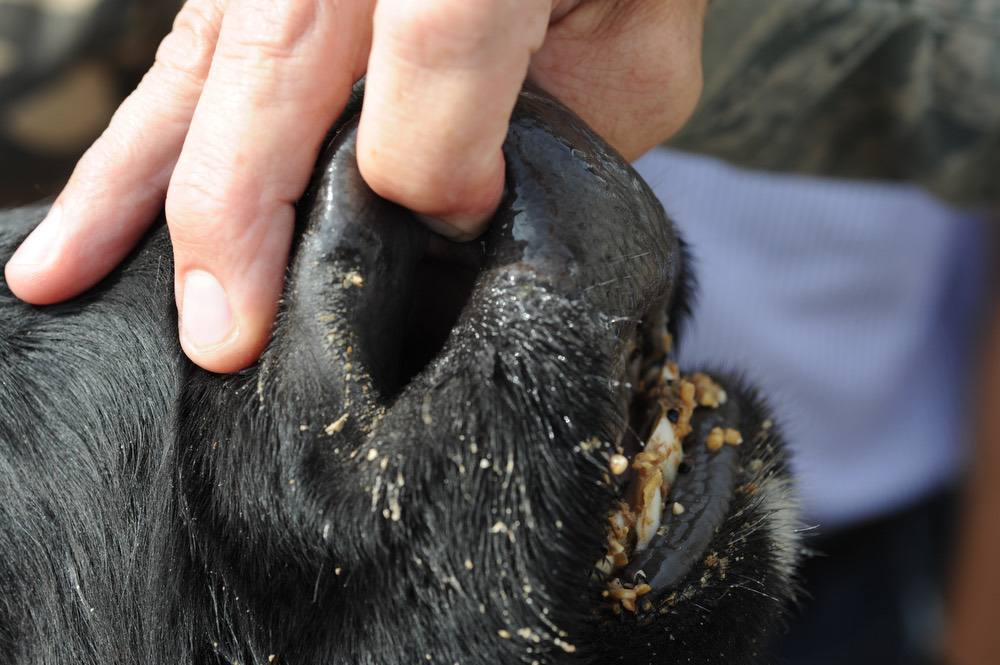
The latest food safety recall has affected numerous brands and a wide range of products, raising concerns about the protocols in place to protect consumers. The recall, which includes items ranging from fresh produce to packaged snacks, has left many wondering how such lapses can occur in a system that is supposed to prioritize public health.
On one side of the debate, many on the left have seized the opportunity to criticize the corporate interests that dominate the food industry. They argue that deregulation and profit-driven motives have compromised food safety, often at the expense of consumers. Advocates for stricter regulations point to the need for transparency in food production processes and call for stronger enforcement of existing laws.

In stark contrast, voices from the right have pushed back against what they see as an overreach of government intervention. They argue that the food safety recall should not serve as a justification for increased regulation that could stifle innovation and burden small businesses. Instead, they call for a focus on personal responsibility and consumer choice, suggesting that people should educate themselves about the foods they consume.
The Middle Ground
While both sides present compelling arguments, the truth likely lies somewhere in the middle. It is essential to recognize that the food industry is complex, and solutions will require cooperation between government regulators and private sector stakeholders. Rather than taking an all-or-nothing approach, a more nuanced view is warranted - one that acknowledges the need for regulation while also promoting market-driven solutions to improve food safety.
“The food safety system must evolve to meet the demands of a changing marketplace, but we can’t sacrifice safety in the name of efficiency.”
For instance, rather than imposing sweeping regulations that could negatively impact small producers, policymakers might consider targeted measures that enhance food traceability and transparency. Implementing better tracking systems for food products could allow for quicker responses to potential hazards, minimizing the impact of recalls while ensuring food safety remains a priority.
Public Awareness and Education
Additionally, consumer education plays a critical role in food safety. Empowering individuals with knowledge about the foods they purchase can lead to more informed choices. As consumers become more aware of food sourcing and production practices, they can hold companies accountable and support those that prioritize safety and quality.
Furthermore, the recent recall has highlighted the importance of communication between the government and the public. Clear, timely information is vital during a recall situation to ensure that consumers know what products are affected and what steps they should take to protect themselves. Both sides of the aisle should be able to agree on the necessity of effective communication strategies that keep the public informed during crises.
Looking Ahead
As we move forward, it is crucial that we foster a dialogue that encourages collaboration between various stakeholders in the food industry. Both regulatory bodies and businesses must work together to create a system that prioritizes safety without stifling innovation. Finding this balance will be key to preventing future recalls and ensuring that consumers can trust the food they eat.
✦ ✦ ✦