From the file. Written for the paper dated February 2011. Opened in the public stacks July 14, 2026.
As the nation grapples with the implications of a recent disaster declaration, a closer examination reveals the excesses and shortcomings of both sides of the political aisle. In this moment, it is imperative to navigate the murky waters of rhetoric and reality.
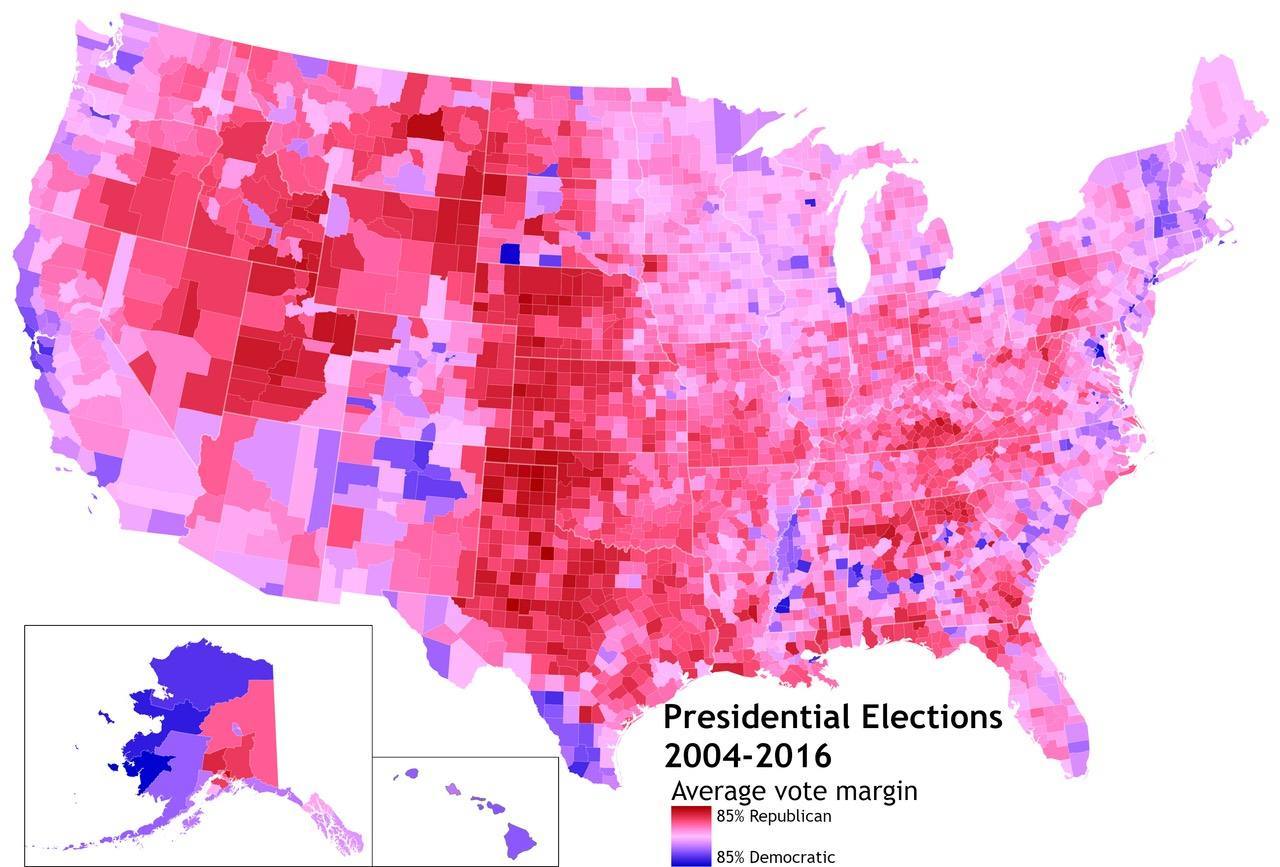
The Landscape of Disaster Declarations
The recent disaster declaration in response to widespread flooding and severe weather has ignited a firestorm of debate. On one side, we have politicians and commentators on the left arguing for immediate and robust governmental assistance to those affected. Meanwhile, voices on the right are quick to question the extent of the federal government's role in disaster relief, often invoking fiscal conservatism as a guiding principle.
While the need for aid is undeniably urgent, the manner in which both parties are addressing disaster relief raises concerns. The left's call for expansive funding and resources, while well-intentioned, risks devolving into a blame game where the focus shifts from helping individuals to politicizing the crisis. Conversely, the right's resistance to increased federal spending often leads to an out-of-touch stance that overlooks the immediate needs of citizens in distress.
Political Posturing vs. Genuine Aid
In the wake of disaster, it is essential to differentiate between genuine concern and political posturing. The left's passionate advocacy for a comprehensive relief package is commendable but risks alienating moderate voices who may be more open to practical solutions rather than sweeping reforms. The rhetoric employed often borders on hyperbole, which, while effective in rallying supporters, can also lead to public skepticism about the feasibility of proposed solutions.

On the other hand, the right's approach frequently leans towards minimizing the role of federal intervention in disaster response. This stance, while grounded in a desire for fiscal responsibility, can be perceived as callousness in times of dire need. The insistence on limited government can obscure the reality that many citizens depend on federal assistance to rebuild their lives after a disaster strikes.
Both sides must realize that the lives of Americans affected by disasters should not become pawns in a political chess game.
A Call for Bipartisan Solutions
What is urgently needed is a bipartisan approach that transcends the typical left-right divide. Instead of hurling accusations and engaging in finger-pointing, representatives from both parties should focus on crafting legislation that effectively addresses the immediate needs of those impacted by disasters. This requires acknowledging that the current system may not be equipped to handle the scale of modern disasters.

It is crucial for lawmakers to engage in productive dialogue that prioritizes the well-being of their constituents over their political agendas. By fostering collaboration, rather than division, both sides can contribute to a more effective response to disasters, ensuring that aid reaches those who need it most without the encumbrance of political gamesmanship.
Looking Ahead
The coming weeks will likely see an escalation in the rhetoric surrounding disaster relief as both sides seek to leverage the situation for political gain. However, it is vital that the American public remains vigilant and holds their representatives accountable. The stakes are too high for disaster relief to be mired in political expediency.
In the end, those affected by the recent disaster deserve compassion and support, not political rhetoric. The challenge lies in overcoming the entrenched divides that often inhibit progress. Only through unity and a commitment to the common good can we ensure a robust and effective response to disasters in the future.
✦ ✦ ✦