From the file. Written for the paper dated January 2011. Opened in the public stacks July 14, 2026.
As the cheers and headlines surrounding labor rights fade from the news cycle, the uncomfortable reality of workplace injuries looms large in the shadows. Despite significant advancements in workplace safety protocols, many employees continue to suffer injuries that are often overlooked by both the media and the lawmakers tasked with protecting their interests.

The Hidden Toll of Workplace Injuries
When we think of workplace injuries, we often conjure images of dramatic accidents on construction sites or industrial floors. However, the reality is often more insidious, with many injuries occurring in office settings, healthcare facilities, and retail environments. Repetitive strain injuries, slips, trips, and falls, and even psychological stress from workplace environments can all lead to serious and lasting health issues.

In 2010, the Bureau of Labor Statistics reported a staggering number of non-fatal workplace injuries. However, the real concern lies not just in the numbers but in the stories behind them - the individuals whose lives change in an instant due to an injury. Many of these injuries go unreported or are downplayed by employers, creating a culture of silence around a topic no one wants to discuss.
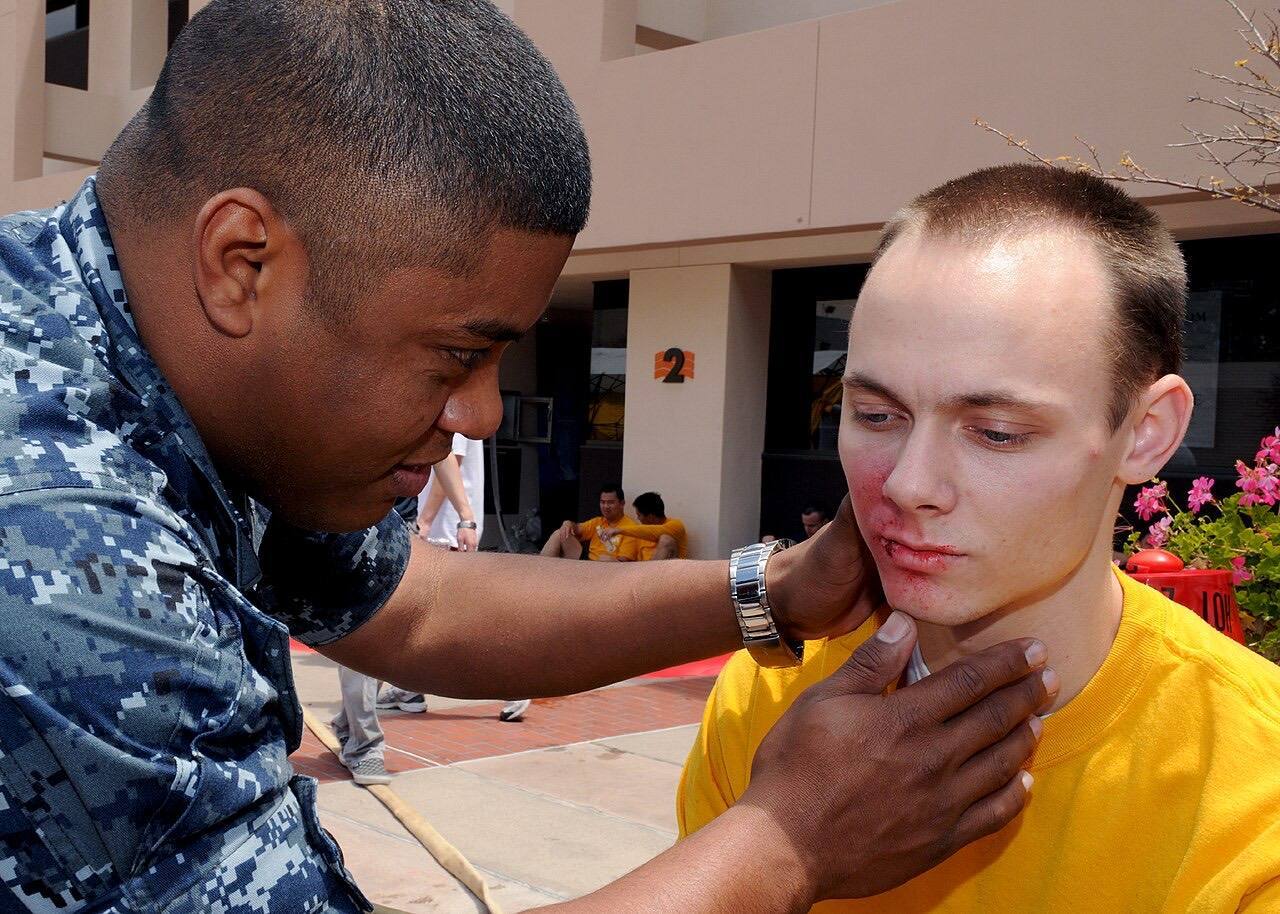
“Workplace injuries are often seen as a cost of doing business, rather than a serious health concern that needs to be addressed.”
Legislation and Its Shortcomings
The legislative landscape regarding workplace safety is a mixed bag. While the Occupational Safety and Health Administration (OSHA) has made strides in enforcing safety standards, the reality is that compliance can be lax. Many employers prioritize their bottom line over the health of their employees, and the penalties for failing to meet safety standards often do not reflect the gravity of the situation.

Moreover, while the political left tends to champion worker rights and safety regulations, their approach often lacks the nuance needed to address the complexities of workplace injuries. Calls for sweeping reforms can lead to backlash from business interests, stifling meaningful dialogue. On the other hand, the right often downplays the issue altogether, arguing that excessive regulation hampers economic growth. This binary viewpoint ignores the human cost associated with workplace injuries.
The Role of Workers' Compensation
Workers' compensation is often the first line of defense for injured employees. However, the system is fraught with challenges. Many workers find it difficult to navigate the claims process, and insurance companies frequently seek to minimize payouts. This can leave injured workers feeling abandoned and financially strained, struggling to make ends meet while dealing with physical recovery.

Critics argue that the workers' compensation system needs reform, yet the proposals often come with strings attached that can penalize those who genuinely need support. The conversation often becomes polarized, with some viewing the system as a safety net for lazy workers rather than a necessary support for individuals facing legitimate health challenges.
A Call for a Balanced Approach
As we enter 2011, there is a pressing need for a more balanced approach to workplace injury discussions. Employers, employees, and lawmakers must come together to create a culture that prioritizes safety without vilifying business interests. It's vital to recognize that workplace injuries are not merely a cost but a human issue that affects families and communities.
“Creating a safer workplace is not just a regulatory issue; it's a moral imperative.”
Education plays a critical role in this process. Employees must be informed about their rights and how to report injuries without fear of retaliation. Simultaneously, employers need to foster an environment where safety is prioritized, not just for compliance but as part of their company culture. This shift requires a commitment from all parties involved, moving beyond the rhetoric of rights and regulations to a genuine investment in employee welfare.
Conclusion
As headlines fade and political debates rage on, the issue of workplace injuries remains a pressing concern that deserves our collective attention. It's time to push past the extremes of both sides of the political spectrum and engage in a meaningful dialogue that respects the rights of workers while acknowledging the complexities of business operations.
In doing so, we can begin to address the hidden toll of workplace injuries, ensuring that the focus shifts from sensational stories to real solutions that protect the health and safety of all workers.
✦ ✦ ✦