From the file. Written for the paper dated January 2011. Opened in the public stacks July 14, 2026.
In an era where immediacy reigns supreme and the news cycle spins faster than ever, the notion of patience may seem antiquated. Yet, as we navigate the complexities of our time, it is essential to reconsider patience as a virtue that deserves our attention.
The Rapid Fire of Modern Discourse
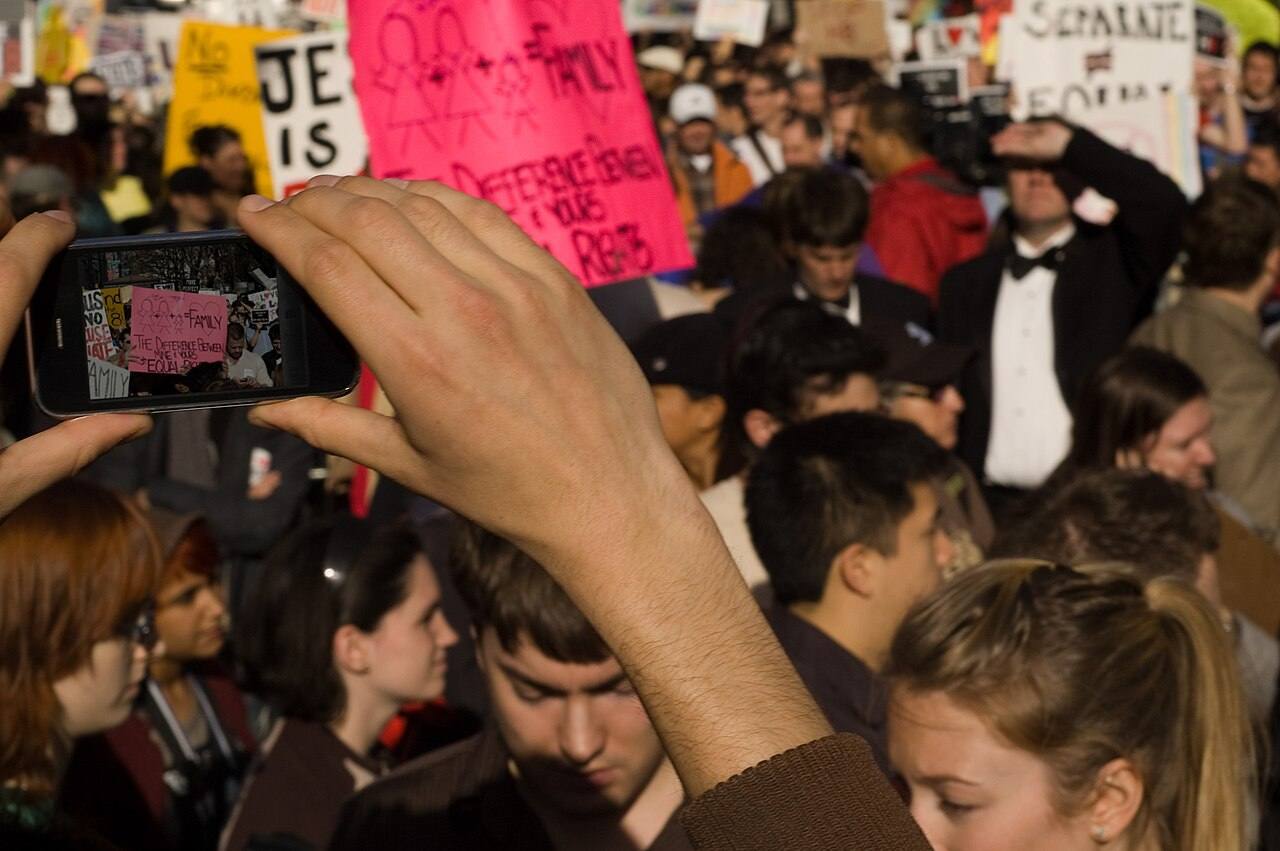
The 24-hour news cycle has transformed the way we consume information. Headlines scream for our attention, often prioritizing sensationalism over substance. Politicians and pundits alike engage in a race to the bottom, trading thoughtful discourse for soundbites designed to provoke outrage rather than reflection. The political left and right have both adopted this approach, leaving little room for measured thought or patience.

On the left, there is a tendency to demand immediate change, often resorting to protest and passionate rhetoric. While the desire for progress is commendable, such fervor can lead to hasty decision-making and divisive tactics that alienate potential allies. The push for sweeping reforms without thorough analysis can result in unintended consequences that may hinder the very goals they aim to achieve.

Conversely, the right often leans on traditional values, advocating for a slower, more deliberate approach to change. However, this can morph into an inflexible resistance to progress, stifling innovation and adaptation in an ever-evolving world. The insistence on maintaining the status quo can create a disconnect from the needs of an increasingly diverse population.
“Patience is not simply the ability to wait; it’s how we behave while we’re waiting.”
Understanding the Procedure Nobody Wants to Discuss
At the heart of this discourse is a procedure that few dare to discuss: the art of patience itself. Patience isn’t merely about waiting for change to occur; it involves the cultivation of understanding and the willingness to engage in the arduous process of discussion and deliberation. It demands that we listen, reflect, and consider the perspectives of others, even when they challenge our own beliefs.
In political arenas, this virtue is often sidelined amidst the clamor for quick solutions. Legislators may rush to pass bills that promise immediate results, sacrificing the long-term benefits that come from careful consideration and debate. The consequence is a political landscape rife with half-baked policies that fail to address the root causes of issues.
Moreover, the public’s appetite for instant gratification has seeped into our expectations of governance. When a new administration takes office, many expect radical transformations overnight. This unrealistic demand ignores the complexity of the issues at hand and the intricate processes required to enact meaningful change.
The Cost of Impatience
Impatience has a steep cost. It fosters division, as people retreat into echo chambers where their views go unchallenged. It breeds cynicism, as individuals become disillusioned with the political process when they perceive it as sluggish or ineffective. And it stifles collaboration, as the urgency for action often overshadows the need for consensus-building.
In contrast, patience can lead to more sustainable solutions. When we allow time for dialogue and reflection, we create opportunities for collaboration that can bridge the gaps between opposing sides. By engaging in patient discourse, we can uncover common ground and work towards solutions that are beneficial for all, rather than a select few.
Embracing a More Patient Future
As we step into 2011, let us commit to embracing patience as a guiding principle. We must challenge ourselves to slow down, listen more, and engage in meaningful conversations rather than succumbing to the frenzy of our times. Each of us has a role to play in fostering an environment where patience is valued and practiced.
Ultimately, the world would benefit from a collective effort to prioritize patience - both in our political discourse and in our daily lives. By doing so, we can create a culture that values thoughtful action over reactive measures, paving the way for a more harmonious and productive society.
✦ ✦ ✦