From the file. Written for the paper dated December 2010. Opened in the public stacks July 14, 2026.
In the cacophony of today's political discourse, the voices of experts often rise above the fray, but not always for the right reasons. The question looms large: when does expertise become overclaiming?
The Rise of the Expert
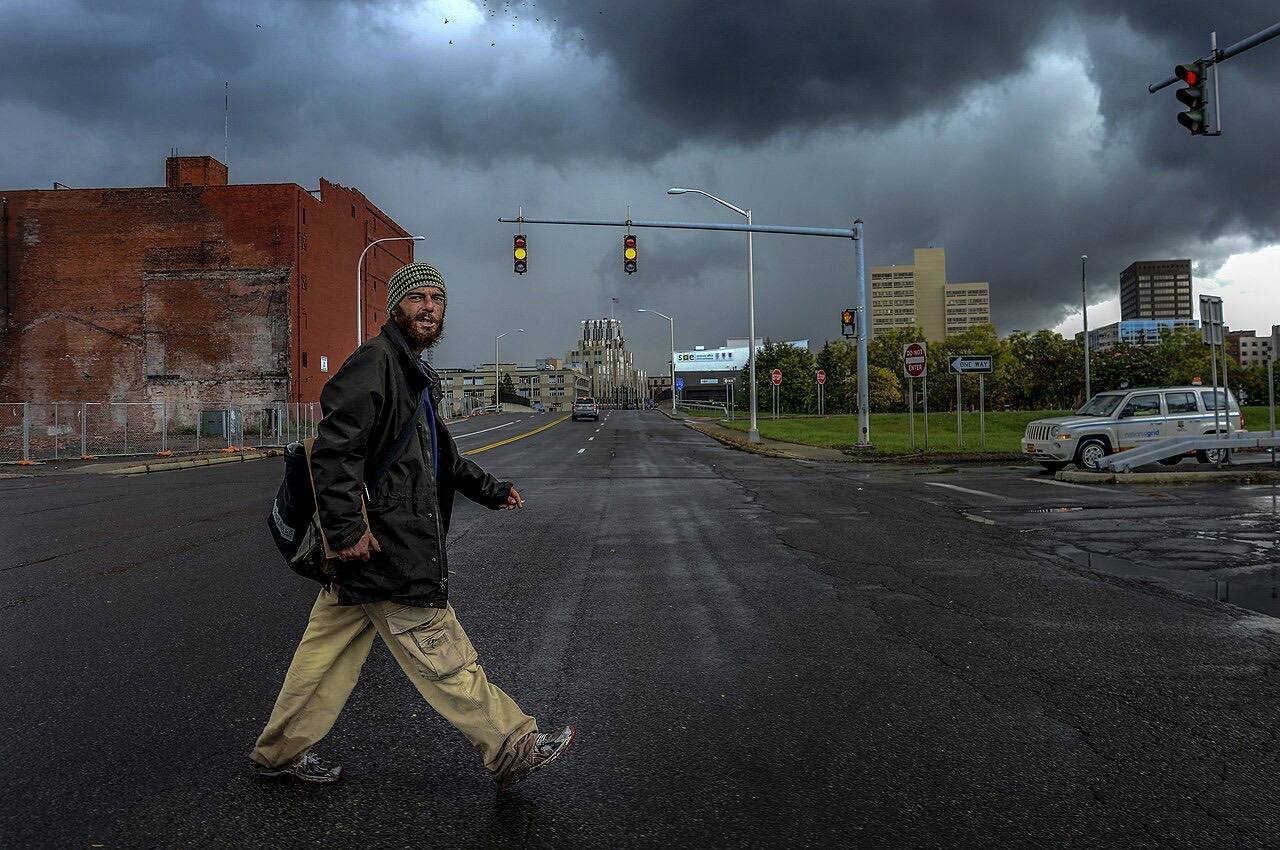
As we navigate through December 2010, it's impossible to ignore the pervasive presence of experts in media narratives. Whether they bear advanced degrees or extensive experience, these individuals are frequently touted as authorities on everything from economics to climate change. However, an unsettling trend emerges when these experts overreach their bounds, transforming informed opinions into sweeping assertions that can mislead the public.
Left and Right: A Tug-of-War
The left often relies on experts to champion causes like climate change and social justice. While their intentions may be noble, the tendency to present scientific data as irrefutable truths can backfire. For instance, claims that dismiss any skepticism regarding climate models can alienate moderate voices, making it seem as if the left is more interested in advocacy than open dialogue.

Conversely, the right is equally prone to expert overclaiming, especially in economic discussions. The mantra of tax cuts as a silver bullet for growth often oversimplifies complex economic realities. When economists present their models as the definitive answer to unemployment woes or budget deficits, they risk constructing a narrative that does not accommodate the nuances of real-world application.
The Mechanism Behind the Noise
At the heart of this phenomenon is a fundamental misunderstanding of expertise itself. Knowledge, while powerful, is rarely absolute. Most experts operate within a framework of probabilities and uncertainties. Yet, the desire for certainty can lead even the most reputable figures to make bold proclamations that don’t hold up under scrutiny.
This is exacerbated by the media landscape, which often favors sensationalism over nuanced discussion. A soundbite from an expert claiming that “we are on the brink of ecological disaster” garners attention far more effectively than a measured analysis that acknowledges variables. Consequently, the public is left with a distorted view of reality, one shaped more by alarm than by understanding.
Public Trust in Experts
The overclaiming of experts has profound implications for public trust. When predictions fail to materialize or when complex issues are reduced to oversimplified narratives, the fallout can erode confidence in both the experts themselves and the institutions they represent. This creates a feedback loop of skepticism, where the public becomes increasingly resistant to legitimate expertise, leading to a culture where misinformation flourishes.
"When predictions fail to materialize, the fallout can erode confidence in the experts themselves."
Finding Balance
To combat the pitfalls of overclaiming, both sides of the political spectrum must strive for a more responsible approach to expertise. Advocates need to communicate the limitations and uncertainties inherent in their fields. It's not enough to simply present data; they must also convey the context in which that data exists.
Moreover, media outlets have a responsibility to foster an environment where diverse viewpoints can coexist. Highlighting a range of expert opinions can help create a more informed public rather than a polarized one. When the media amplifies voices that offer cautionary tales alongside those that promise simple solutions, it enriches the conversation and empowers citizens to engage critically.
Conclusion: The Role of the Public
Ultimately, the onus is on the public as well. Individuals must cultivate a healthy skepticism towards claims made by experts, understanding that expertise does not equate to infallibility. Engaging with a variety of perspectives can provide a more holistic view of any given issue, allowing for informed decision-making that goes beyond partisan divides.
As we move through this critical juncture in our political landscape, let us endeavor to cultivate a discourse that values precision, honesty, and humility in the realm of expertise. Only then can we hope to bridge the divide that has come to define our times.
✦ ✦ ✦