From the file. Written for the paper dated December 2010. Opened in the public stacks July 14, 2026.
In the hustle of the modern world, the intricate workings of ocean surveys often go unnoticed, overshadowed by the drama of climate change discussions and the latest environmental crises. Yet, it is within these mundane mechanisms that the true story of our oceans unfolds.
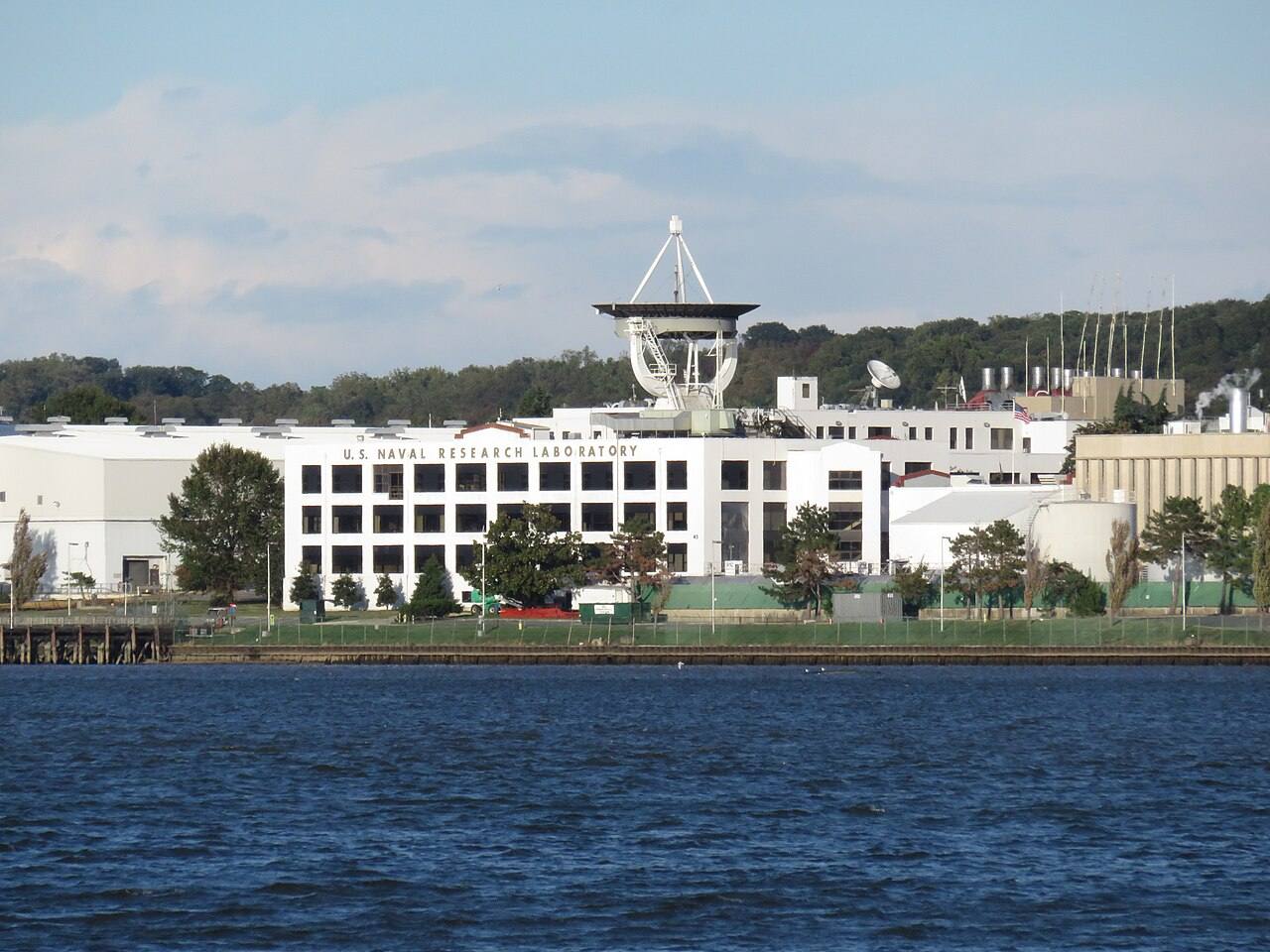
The Underwater Orchestra
Every day, thousands of scientists and researchers embark on ocean surveys, employing a myriad of tools and technologies to explore the vast blue. From sonar mapping to satellite imagery, the ocean floor is being charted with unprecedented detail. However, the public's attention tends to gravitate towards the sensational: the alarming rise in sea levels, the plight of coral reefs, and the mysterious disappearance of marine life. While these issues are indeed pressing, the foundational work that fuels our understanding of these phenomena often gets lost in the noise.

The mechanism of an ocean survey is anything but glamorous. It involves meticulous planning, lengthy data collection, and complex analysis. Research vessels equipped with echo sounders and remotely operated vehicles (ROVs) traverse the ocean, gathering information on everything from sediment types to underwater topography. This is the boring backbone of ocean science, yet it is critical for making sense of the more alarming headlines.
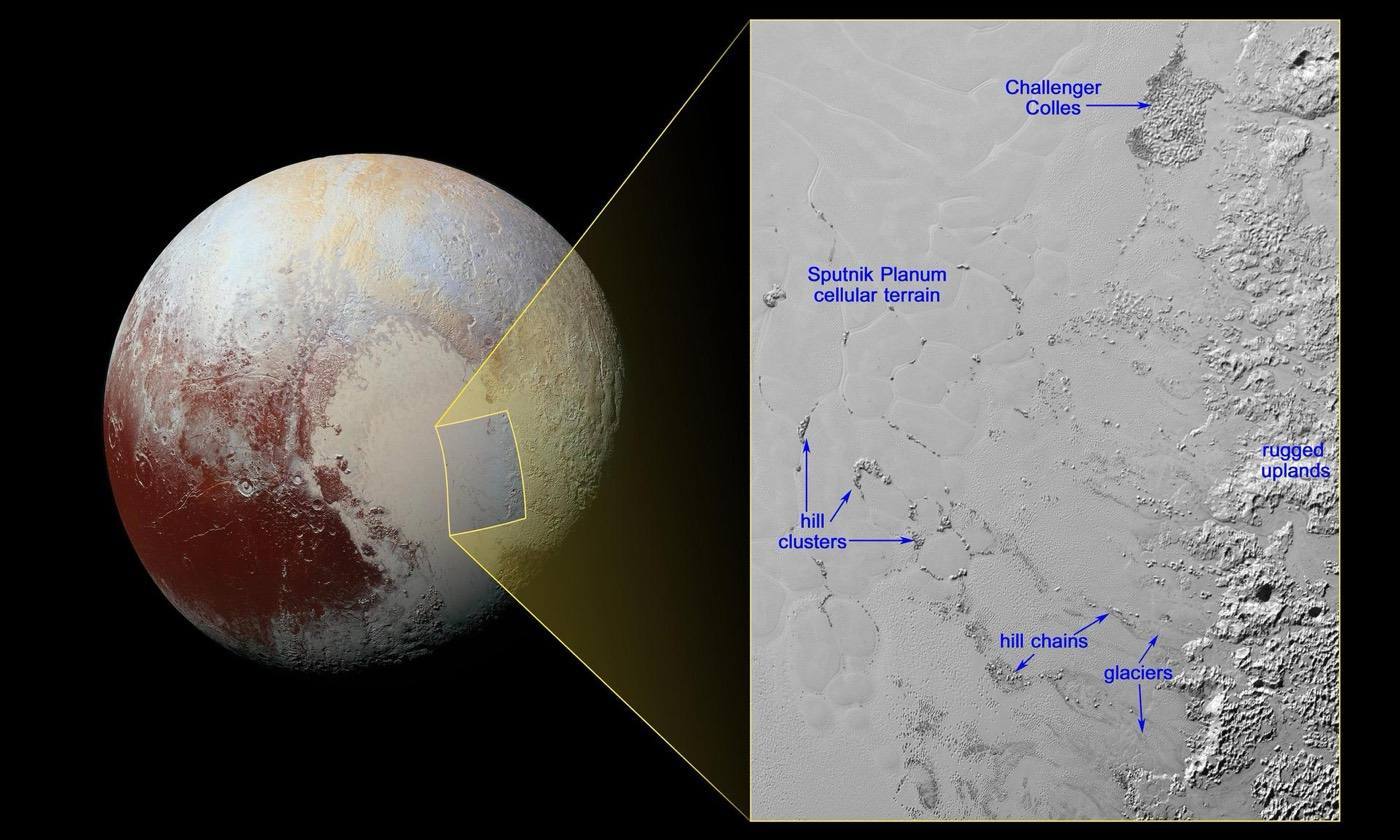
Left and Right: The Battle Over Facts
In the current climate of political polarization, the discussion surrounding oceanic research has been tainted by extremes. On one hand, the left often presents a narrative filled with urgency, painting an apocalyptic picture of the oceans' decline. The rhetoric can be so heated that it risks alienating reasonable discourse. The issue is compounded by calls for radical policy changes that may not be grounded in scientific consensus, leading to confusion rather than clarity.
On the other hand, the right frequently downplays the significance of oceanic changes. There is a tendency to dismiss scientific findings as exaggerated, often fueled by a desire to protect business interests over environmental concerns. This dismissal can lead to a dangerous ignorance of the realities facing our oceans, as the evidence mounts that climate change and pollution are indeed taking their toll.
The foundational work fuels our understanding of pressing issues, yet it often gets lost in the noise of sensational headlines.
The Role of Technology
As the tools for surveying become more advanced, they also become more complex. High-resolution sonar systems allow us to visualize the ocean floor with remarkable precision, uncovering underwater canyons and seamounts that were previously hidden from view. However, the interpretation of this data requires a level of expertise that is often overlooked in public discussions. The technology itself cannot provide solutions; it is the analysis and understanding of that data which leads to meaningful action.
Moreover, the integration of technology into ocean surveys has brought about its own set of challenges. The reliance on advanced equipment can lead to significant funding disparities, where only well-funded institutions have access to the best resources. This can create a divide in knowledge production, where certain areas of the ocean are thoroughly mapped while others remain in the dark. As a result, knowledge gaps persist, hindering our overall understanding of marine ecosystems.
Bridging the Divide
In order to foster a more productive conversation about our oceans, it is vital that we bridge the ideological divide. The left and right must find common ground in their appreciation for empirical evidence and the importance of scientific inquiry. Engaging in a more nuanced dialogue about ocean surveys could help mitigate the extremes and promote a shared commitment to preserving our oceans. This is not merely a scientific issue; it is a cultural one that requires collaboration across the aisle.
As we move forward, it is essential for policymakers to recognize the importance of the data collected through ocean surveys. This data can inform responsible legislation and conservation efforts, ensuring that we are not just reacting to crises, but proactively managing our ocean resources. After all, the health of the oceans directly impacts the health of our planet and, consequently, our own survival.
Conclusion
The importance of ocean surveys cannot be overstated. While the stories of environmental degradation capture headlines, the groundwork being laid through these surveys is what will ultimately guide our responses. It is time for both sides of the political spectrum to acknowledge the value of this work and to engage in a constructive dialogue about the future of our oceans. In doing so, we can ensure that our oceans are not only a topic of alarm, but also a source of hope and responsibility for generations to come.
✦ ✦ ✦