From the file. Written for the paper dated December 2010. Opened in the public stacks July 14, 2026.
As the debate over energy sources rages on, nuclear plant inspections remain a critical yet often overlooked component of ensuring public safety and environmental responsibility.
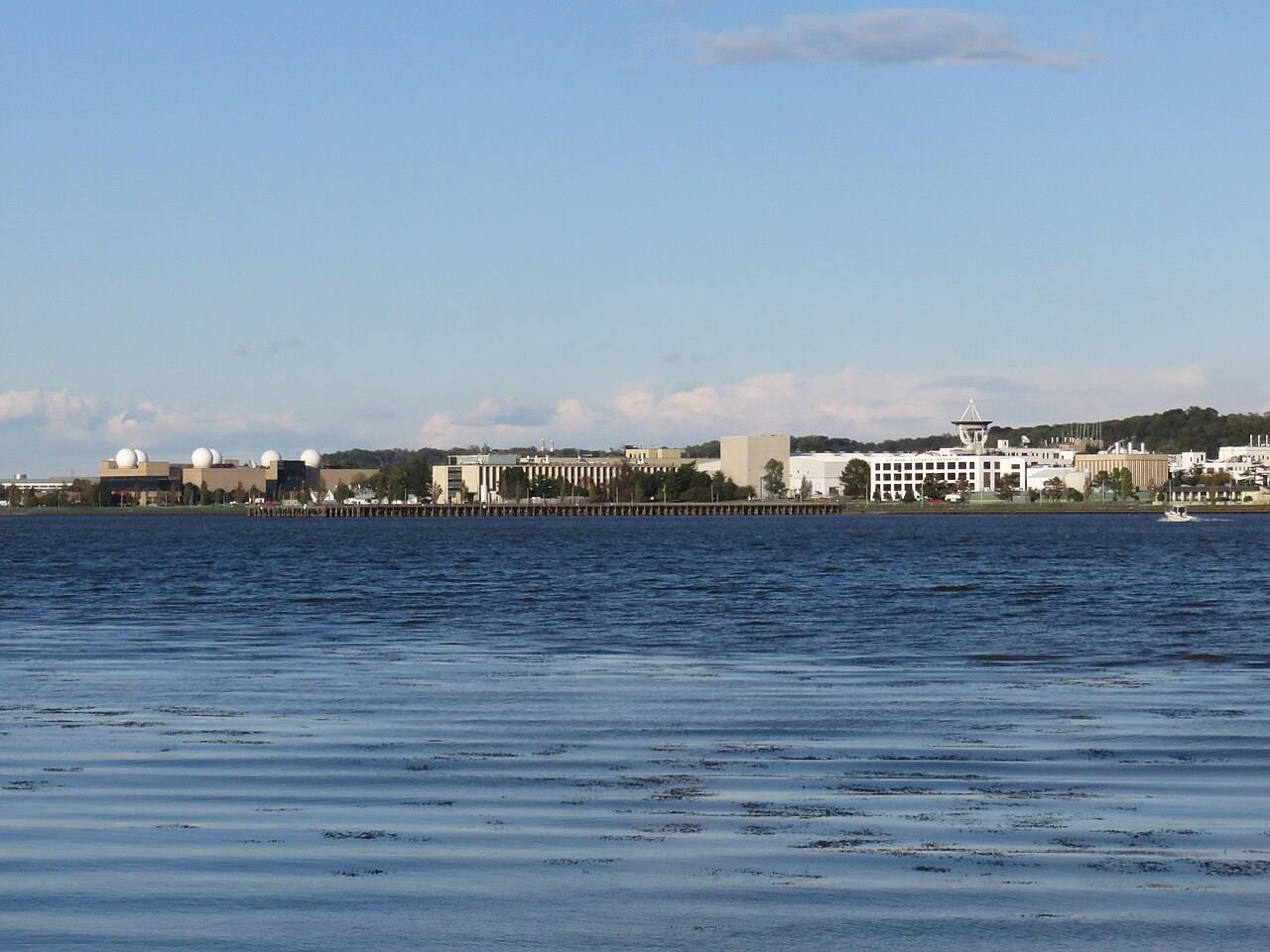
The Routine of Safety
Nuclear power, often heralded as a clean alternative to fossil fuels, comes with its own set of complexities and risks. The inspections that take place at nuclear plants across the country are crucial in maintaining safety protocols and ensuring that the plants operate within the regulatory frameworks set by the Nuclear Regulatory Commission (NRC). However, these inspections can seem mundane against the backdrop of the more sensational headlines often associated with nuclear energy, such as accidents or radioactive leaks.
The NRC conducts regular inspections to evaluate the safety and operational efficacy of nuclear facilities. These inspections include everything from reviewing maintenance records to observing operations firsthand. While the process may lack the drama of a major news story, it is the backbone of regulatory oversight that the public relies on for reassurance.

A Culture of Compliance
At the heart of nuclear safety is a culture of compliance. The NRC requires that plants adhere to strict guidelines and safety measures, which are regularly updated based on new findings and technological advancements. This culture is not just about following rules; it encompasses a commitment to safety that involves plant operators, engineers, and inspectors alike.
In recent months, the NRC has faced criticism from both sides of the political aisle. Some argue that the agency is either too lenient, allowing plants to operate under outdated safety protocols, or too stringent, stifling innovation and efficiency. This polarization exemplifies the larger debate surrounding energy policy in America, where the extremes of the left and right often drown out the voices advocating for a balanced approach.
"The inspections that take place at nuclear plants are crucial in maintaining safety protocols and ensuring that the plants operate within the regulatory frameworks set by the NRC."
Balancing Safety and Innovation
The left often champions renewable energy sources as the only path forward, deriding nuclear power as an outdated and dangerous option. This perspective, while rooted in a genuine concern for environmental safety, can overlook the technological advancements in nuclear power that have made it a cleaner and safer alternative to fossil fuels. Innovations such as small modular reactors and improved waste management techniques are reshaping the nuclear landscape, yet these advancements are frequently overshadowed by the fervor of anti-nuclear sentiment.
Conversely, the right tends to focus on the economic benefits of nuclear energy, arguing that it is essential for energy independence and job creation. However, this perspective can lead to a reckless dismissal of legitimate safety concerns. When the economic argument overshadows safety, the potential for disaster increases, putting both workers and nearby communities at risk.
The Inspection Process
During an inspection, teams of NRC officials evaluate both the physical infrastructure of the plant and the operational protocols in place. This includes reviewing emergency preparedness plans, assessing the condition of equipment, and ensuring that staff training meets regulatory standards. Inspections can last anywhere from a few days to several weeks, depending on the complexity of the facility and the issues at hand.
While these inspections may not make for riveting headlines, they are vital for preventing potential disasters. The 1979 Three Mile Island accident and the 1986 Chernobyl disaster serve as stark reminders of what can happen when safety protocols are ignored or inadequately enforced. Though the industry has made significant strides in safety since those incidents, complacency remains a persistent threat.
The Future of Nuclear Energy
The future of nuclear energy in the United States hinges on the continued commitment to rigorous inspections and a balanced approach to energy policy. Emphasizing safety without stifling innovation is key to maintaining public trust in this energy source. As energy demands grow and environmental concerns mount, the role of nuclear power may become even more pronounced, provided that it can navigate the political landscape without succumbing to the extremes of either side.
Ultimately, the boring mechanism behind the noise of nuclear inspections is a commitment to safety and diligence. In a world where sensationalism often takes precedence over substance, it is crucial to recognize the foundational role that inspections play in safeguarding the future of nuclear energy.
✦ ✦ ✦