From the file. Written for the paper dated December 2010. Opened in the public stacks July 14, 2026.
In the cacophony of political discourse, the mechanistic workings of federal agency rulemaking often go unnoticed, overshadowed by the dramatic theater of partisan battles. Yet, these quiet processes are at the heart of governance, shaping policies that impact our daily lives.
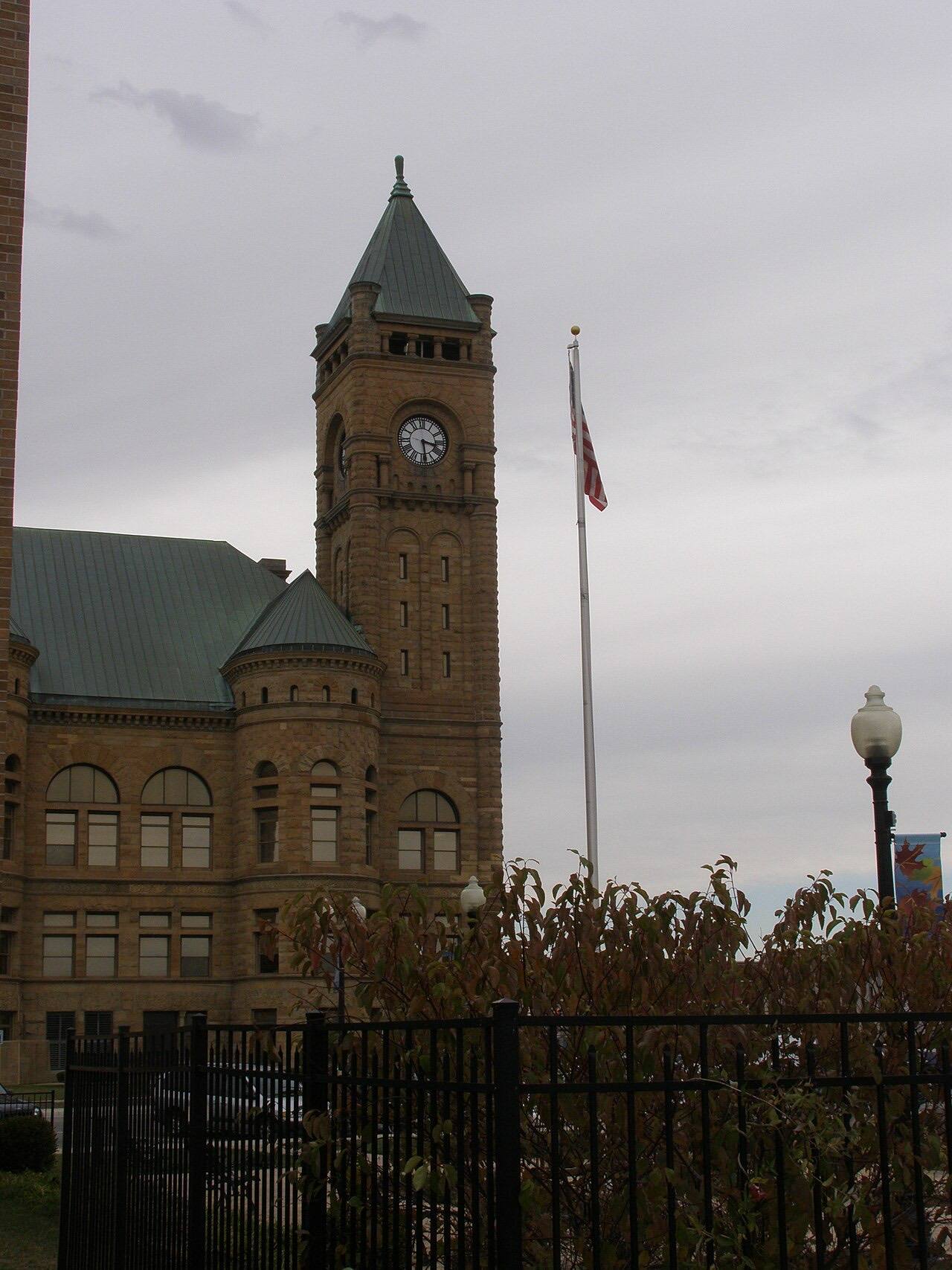
The current landscape of federal agency rulemaking is marked by a dichotomy of extremes, reflecting the polarized nature of American politics. On one side, we see a frenzy of regulation championed by an administration keen on addressing social issues through a robust regulatory framework. On the other side, a vehement push for deregulation by those who argue that overreach stifles economic growth and personal freedoms. Both sides, in their fervor, often overlook the nuance required for effective governance.
The Mechanics of Rulemaking
At its core, federal agency rulemaking is a multi-step process that involves drafting regulations, soliciting public feedback, and finalizing rules that will govern various sectors, from environmental protection to financial oversight. This procedure, outlined under the Administrative Procedure Act, is designed to ensure that government agencies operate with transparency and accountability.

However, the reality is that this process can be cumbersome, often taking months or even years to complete. The lengthy nature of rulemaking can frustrate advocates on both sides of the aisle. Those in favor of progressive regulations may feel that their voices are muted by bureaucratic red tape, while libertarians and conservatives often argue that the very existence of such rules is an assault on personal liberties.
"The mechanics of federal rulemaking may be tedious, but they represent the backbone of democratic governance."
In recent weeks, several notable rulemaking efforts have come to light. For instance, the Environmental Protection Agency (EPA) has been working on new emissions standards aimed at curbing pollution from industrial sources. This initiative has been met with staunch support from environmental groups, who argue that it is essential for public health and safety. Conversely, industry representatives have raised concerns about the economic implications of such stringent regulations, claiming they could lead to job losses and increased costs for consumers.
The juxtaposition of these interests highlights a critical tension inherent in rulemaking. The challenge lies not only in crafting regulations that protect the public but also in ensuring that they do not unduly burden businesses. This delicate balancing act often results in back-and-forth negotiations, where compromises are made, and the original intent of regulations can become diluted.
The Role of Public Input
Public participation is a fundamental aspect of the rulemaking process. Federal agencies are required to solicit comments from citizens, stakeholders, and interest groups before finalizing any regulations. This feedback mechanism is intended to foster transparency and inclusivity, allowing a diverse range of perspectives to be considered.
Yet, the effectiveness of public input can vary significantly. In many instances, the comment periods are too short, and the complexities of the issues at hand can deter meaningful engagement from the average citizen. As a result, the voices of well-organized interest groups often drown out the opinions of everyday Americans. This imbalance raises important questions about the true democratic nature of the rulemaking process.
As we reflect on the current state of federal agency rulemaking, it becomes clear that both the left and the right have their excesses. The left can sometimes push for regulations that go so far as to infringe on individual liberties, while the right often dismisses the need for regulation altogether, potentially jeopardizing public welfare in the name of free markets. This polarization not only hampers effective governance but also breeds cynicism among the populace.
Looking Ahead
As the year draws to a close, it is essential for lawmakers and regulators to take a step back and evaluate the rulemaking process itself. Rather than succumbing to the extremes, there is an opportunity to forge a more collaborative approach that respects the need for regulation while recognizing the importance of economic vitality. This would require open dialogues and a willingness to engage with differing viewpoints.
In an era where the noise of politics often drowns out the substance of policy, it is crucial to remember that the mechanics of federal agency rulemaking are the foundation upon which sound governance is built. Striking a balance between regulation and freedom will require both sides to temper their excesses and work towards a more nuanced understanding of the complexities involved.
✦ ✦ ✦