From the file. Written for the paper dated November 2010. Opened in the public stacks July 14, 2026.
As the dust settles on the recent midterm elections, a cloud of suspicion lingers over the voting machinery that many Americans rely on to exercise their democratic rights. In the wake of heightened political polarization, both the left and the right have taken to the airwaves and social media to voice their concerns about the integrity of our electoral processes.
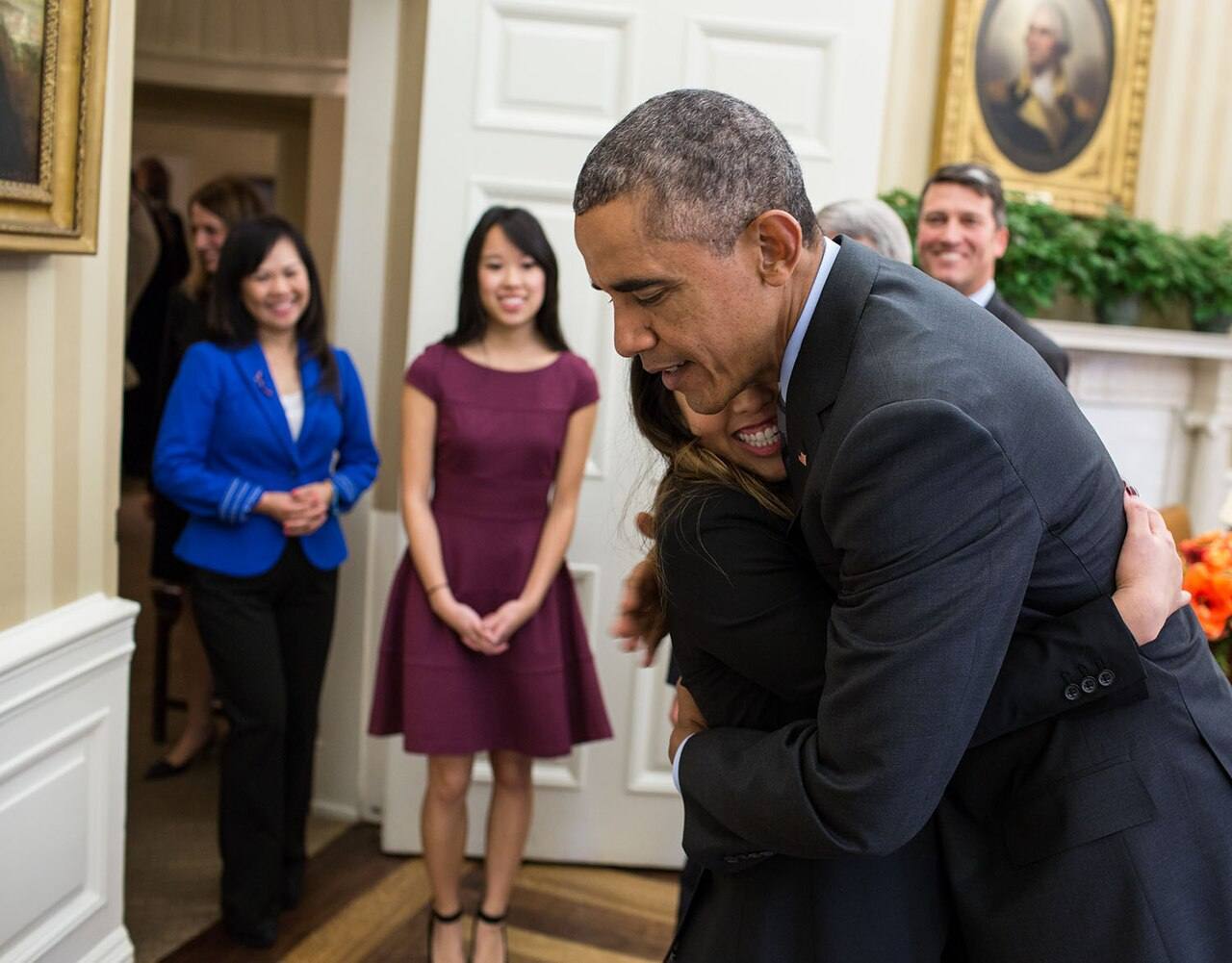
The Left's Worries
The left has raised alarms about the potential for disenfranchisement, particularly in communities of color. Voter ID laws and the purging of voter rolls are frequently cited as tactics that disproportionately affect these populations. Critics argue that these measures serve to entrench power for conservative factions, while simultaneously undermining the principles of democratic inclusion. Activists and some lawmakers have called for immediate reforms, demanding that voting rights be expanded rather than restricted.
The Right's Concerns
Conversely, the right has focused on the specter of voter fraud, claiming that the integrity of elections is at stake. They argue that lax regulations and poorly maintained voting systems leave the door open for illegitimate ballots to be cast. This perspective has been fueled by anecdotal evidence and isolated incidents that have ignited fears of widespread fraud. Proponents of stricter voting laws assert that such measures are necessary to ensure that every legitimate vote counts and to uphold public confidence in the electoral process.

"Both sides have made their case, but what remains is the critical need to sift through the rhetoric and get to the facts."
The Middle Ground
In this polarized environment, the middle ground appears to be increasingly elusive. Many citizens express frustration with both extremes, calling for a more nuanced approach to voting rights and election integrity. It is essential to recognize that the concerns on both sides stem from a desire to protect democracy, albeit from different angles. The challenge lies in finding a balance that addresses the legitimate fears of disenfranchisement without disregarding concerns about election fraud.
Evidence Before Identity
A critical aspect of this debate is the need for evidence-based discussions regarding voting machinery. As technology evolves, so too must our approach to securing elections. The reliance on outdated systems and methodologies is a concern that transcends partisan lines. The adoption of new voting technology, such as electronic voting machines and secure online registration, must be accompanied by rigorous testing and transparency to ensure that they are safe and reliable.
Moreover, as the nation grapples with these issues, it is vital to foster an environment where facts and evidence hold more weight than partisan rhetoric. Investigative efforts should be supported to examine voting processes across the country, holding those in power accountable while also addressing legitimate grievances from both sides of the aisle.
The Role of Technology
As we look to the future, the role of technology in elections cannot be understated. Innovations can improve accessibility and efficiency, yet they also introduce new vulnerabilities. The debate should not be solely about whether to adopt new technologies, but rather how to implement them in a manner that enhances security and trust.
In an era where misinformation can spread rapidly, transparency in the voting process and the machinery used is more crucial than ever. Election officials should prioritize open communication with the public, offering clear explanations of how voting systems work and the safeguards in place to protect against fraud and error.
Next Steps
As we move forward, a collaborative effort among lawmakers, civil rights organizations, and technologists is essential. By fostering dialogue and focusing on shared values, we can create a voting environment that is both secure and inclusive. The goal should be to build a system that instills confidence in the electorate while protecting the rights of every citizen to participate in the democratic process.
Ultimately, the challenge is not just about who can vote or how they vote, but about ensuring that every vote counts and that the machinery of democracy reflects the will of the people. This means taking a hard look at the facts, setting aside partisan excesses, and committing to a process that honors the integrity of our elections.
✦ ✦ ✦