From the file. Written for the paper dated October 2010. Opened in the public stacks July 14, 2026.
In the past week, workplace injuries have once again taken center stage in discussions surrounding employee safety, with both sides of the political spectrum making claims that may not fully align with the reality on the ground.

Public Claims: The Outcry for Safety
On one side, labor unions and advocacy groups have been vocal about the need for stronger workplace safety regulations. They argue that the current system is inadequate, citing various high-profile cases of injury and even fatalities in industries ranging from construction to manufacturing. Their message is clear: without intervention, the lives of workers are at risk.

Unions have mobilized, demanding that employers be held accountable for unsafe working conditions. The message resonates amidst a backdrop of economic uncertainty, where job security often comes at the expense of worker safety. Activists argue that the rising number of injuries reported in recent years is a direct result of deregulation and an emphasis on profit over people.
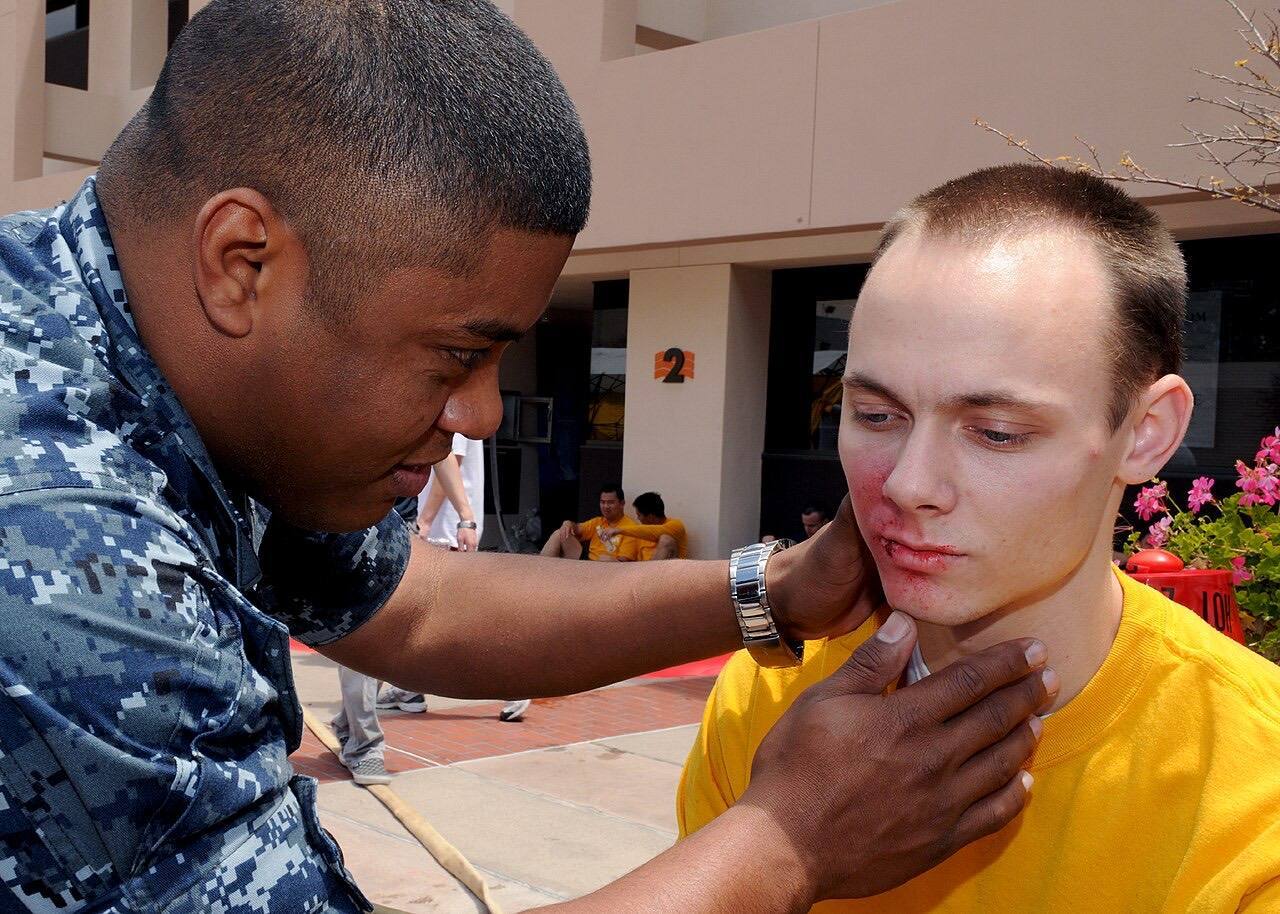
"Workers deserve a safe environment. We cannot sacrifice lives for profits." - A union representative
However, this narrative, while emotionally powerful, requires scrutiny. The statistics presented by unions often highlight the most egregious cases but may not paint a complete picture of workplace safety across all sectors. The numbers can be manipulated to serve a political agenda, and it’s crucial to consider the context behind the statistics.

The Reality: Injury Rates and Reporting
According to the Bureau of Labor Statistics, workplace injuries have actually been declining over the past decade. While every incident is a tragedy, the data shows a broader trend that suggests considerable improvements in workplace safety measures. This decline may not be as sensational as the stories shared by unions, but it is worth acknowledging that many companies are making meaningful strides to protect their workers.
Many employers have invested in training programs and safety equipment, recognizing that a safe workplace not only benefits employees but is also a smart business move. Injuries lead to lost time, decreased productivity, and ultimately, a hit to the bottom line.
The Right's Response: A Call for Less Regulation
On the other side of the aisle, some conservative voices argue that further regulation will stifle business growth and innovation. They assert that the free market should dictate safety standards, and that companies will naturally prioritize worker safety if they want to maintain a good reputation.
Critics of the regulation-heavy approach argue that overreach from government agencies can lead to a culture of fear among employers, discouraging them from hiring or expanding due to the burden of compliance. They contend that a one-size-fits-all safety standard does not account for the unique challenges faced by different industries.
"Regulations are suffocating businesses. We need to empower employers to make their own safety decisions." - A business advocate
While it's important to foster an environment that encourages business growth, one must ask: at what cost? The idea that companies will always act in the best interest of their employees without oversight is an optimistic view that does not account for potential negligence or profit-driven decision-making.
A Middle Ground: Balancing Safety and Growth
Finding common ground between these two extremes is essential. A collaborative approach that encourages both regulatory oversight and business innovation could lead to better outcomes for workers and employers alike. Instead of vilifying one another, both sides should engage in constructive dialogue to craft policies that ensure workplace safety without unduly burdening businesses.
Moreover, there is a need for transparency in reporting workplace injuries. Companies should be encouraged to share their safety records and practices, allowing employees to make informed decisions about their workplaces. In turn, employees must also take responsibility for their safety, understanding that they play a role in maintaining a safe environment.
Conclusion: Moving Forward
The subject of workplace injury is complex and multifaceted, requiring careful consideration of the facts and a balanced approach to advocacy. While it is essential to amplify the voices of those who have suffered, it is equally important to recognize progress and promote solutions that work for everyone involved.
As we move forward, let us challenge ourselves to seek a path that prioritizes safety while fostering an environment where businesses can thrive. Only then can we truly make strides toward a safer workplace for all.
✦ ✦ ✦