From the file. Written for the paper dated October 2010. Opened in the public stacks July 14, 2026.
In a political landscape increasingly defined by hyperbole and certainty, the phenomenon of experts overclaiming has become alarmingly common. This week, we delve into some glaring examples that underscore the tension between public assertions and the records they rest upon.

Expert Claims and Public Credibility
It is no secret that the public's trust in experts is wavering. Whether it is the economy, public health, or climate change, many individuals feel disillusioned by the narratives spun by those who should know better. The overselling of expert opinions has led to a climate of distrust, and the consequences can be dire.

Consider the current discourse surrounding healthcare reform. While many experts advocate for sweeping changes to the system, their claims often lack nuance. For instance, some have suggested that a complete overhaul is a panacea for all issues plaguing American healthcare. This is a simplification that fails to account for the complexities involved in such a monumental shift. Experts are quick to highlight the potential benefits, yet they gloss over the potential pitfalls, leading the public to an overly optimistic view.

“The overselling of expert opinions has led to a climate of distrust.”
Left vs. Right: The Battle of Claims
On the left, we see a tendency to embrace bold proclamations about social justice and economic equality. While these goals are laudable, the manner in which some experts discuss them can alienate potential allies. For example, suggesting that systemic change can be achieved overnight ignores the gradual, often painful processes required to reshape societal structures. This rhetoric may energize a base, but it risks leaving behind those who are skeptical of such rapid change.

Conversely, the right often employs its own brand of overclaiming, particularly in its reaction to regulatory measures. Experts on the right argue that new regulations will inevitably stifle innovation and economic growth. While there are valid concerns regarding excessive regulation, the absolute nature of these claims can obscure the reality that some regulations are necessary for consumer protection and public welfare. Overstating the negative impacts of regulation can lead to a refusal to accept necessary reforms.
The Role of Media in Amplifying Overclaims
The media plays a pivotal role in amplifying expert claims. Headlines often prioritize sensationalism over accuracy, leading to a distorted perception of reality. This week, coverage of a prominent expert's assertion about the economy's trajectory received extensive attention, despite the fact that the expert's forecasts have been repeatedly off the mark. Instead of scrutinizing the credibility of such claims, media outlets frequently rush to propagate them. This creates an echo chamber, where unverified assertions gain traction without sufficient accountability.
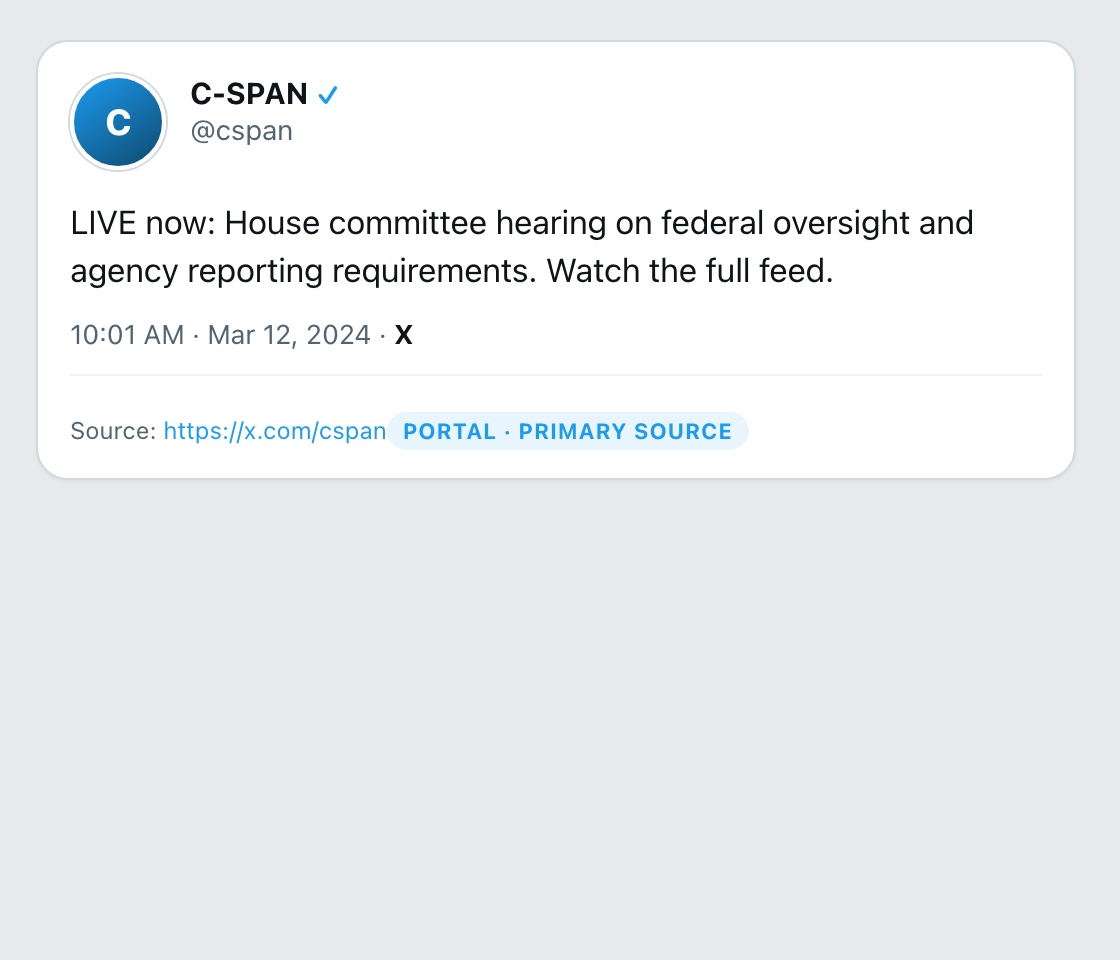
In this environment, it is crucial for consumers of news to approach expert opinions with a critical eye. Questions should be asked: What evidence supports these claims? Are experts considering all aspects of the issue? By demanding more from those who claim expertise, we can push back against the tide of oversimplification.
“Questions should be asked: What evidence supports these claims?”
Striking a Balance
As we navigate the murky waters of expert claims, it is essential to find a balance between skepticism and trust. Experts hold valuable insights and data that can guide us through complex issues, yet they must also acknowledge the limitations of their knowledge. The public deserves nuanced discussions that reflect the intricacies of the issues at hand rather than sweeping generalizations that fail to consider the context.
In this era of divided opinion, fostering dialogue that values humility and openness is key. Experts should avoid the temptation to overclaim in order to maintain their credibility with the public. Conversely, the public must engage with these discussions thoughtfully, recognizing that expertise does not equate to infallibility.
✦ ✦ ✦