From the file. Written for the paper dated October 2010. Opened in the public stacks July 14, 2026.
In the wake of a tumultuous political climate, recent public trust surveys reveal a stark divide in confidence levels towards government institutions, media, and each other. This week, we delve into the latest findings, examining how the perceptions of the American populace contrast with the realities of governance and media representation.
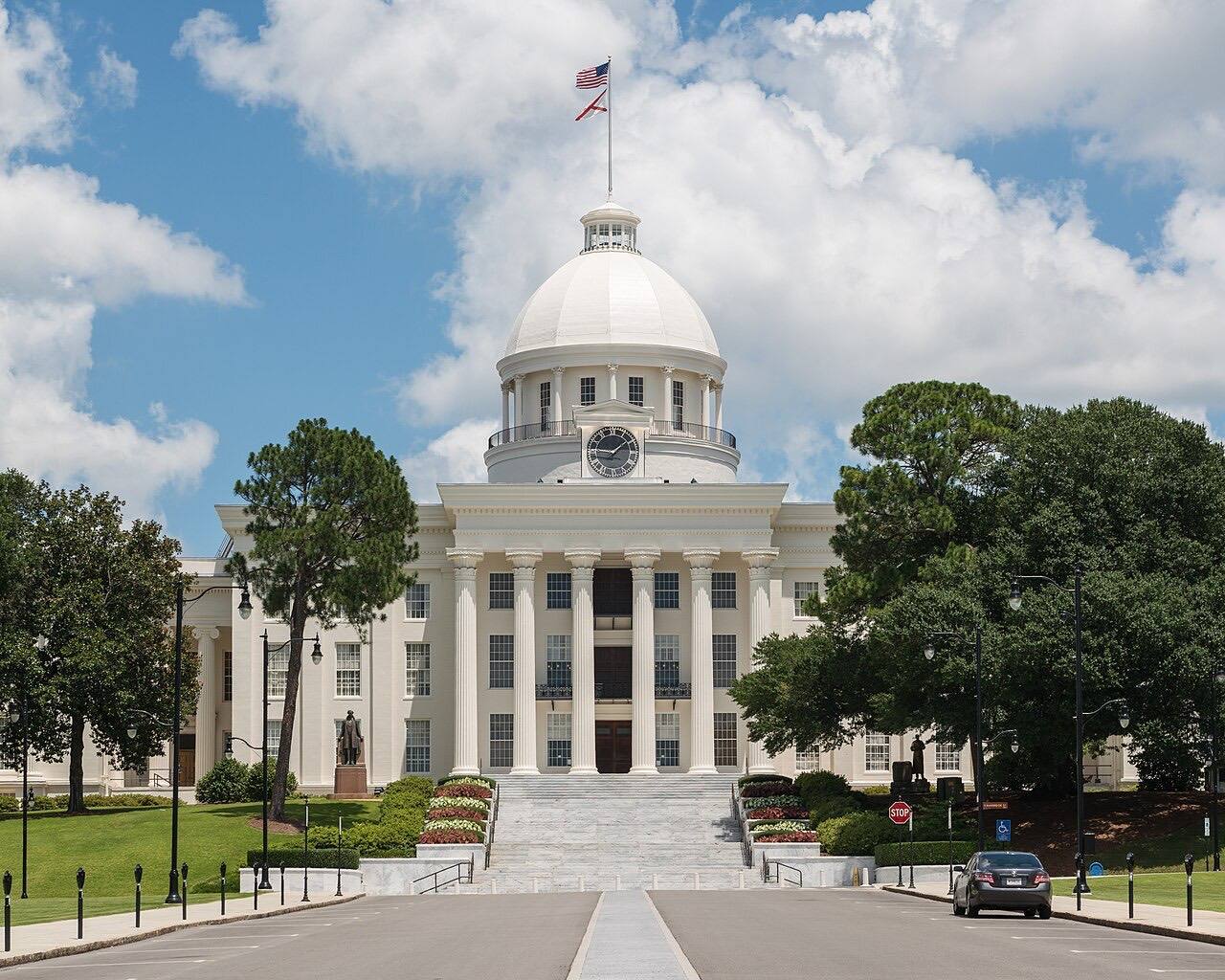
The Trust Gap: Perception vs. Reality
According to the latest public trust survey conducted by reputable polling organizations, Americans express a troubling lack of confidence in their institutions. The survey indicates that trust in Congress has dipped to historic lows, with only a fraction of respondents believing that their elected officials are acting in the public's best interest. Meanwhile, trust in the media is equally disheartening, as citizens increasingly view news outlets as partisan battlegrounds rather than objective sources of information.
In an era marked by the rise of partisan news networks and the escalating rhetoric from both sides of the political aisle, the survey results raise critical questions. Are Americans simply reacting to the extremes in political discourse, or is there a deeper issue at play? The findings suggest that both left and right are complicit in fostering an environment where trust is eroded.
"We are witnessing a crisis of confidence that transcends politics; it is a crisis of community."
The Left's Strained Credibility
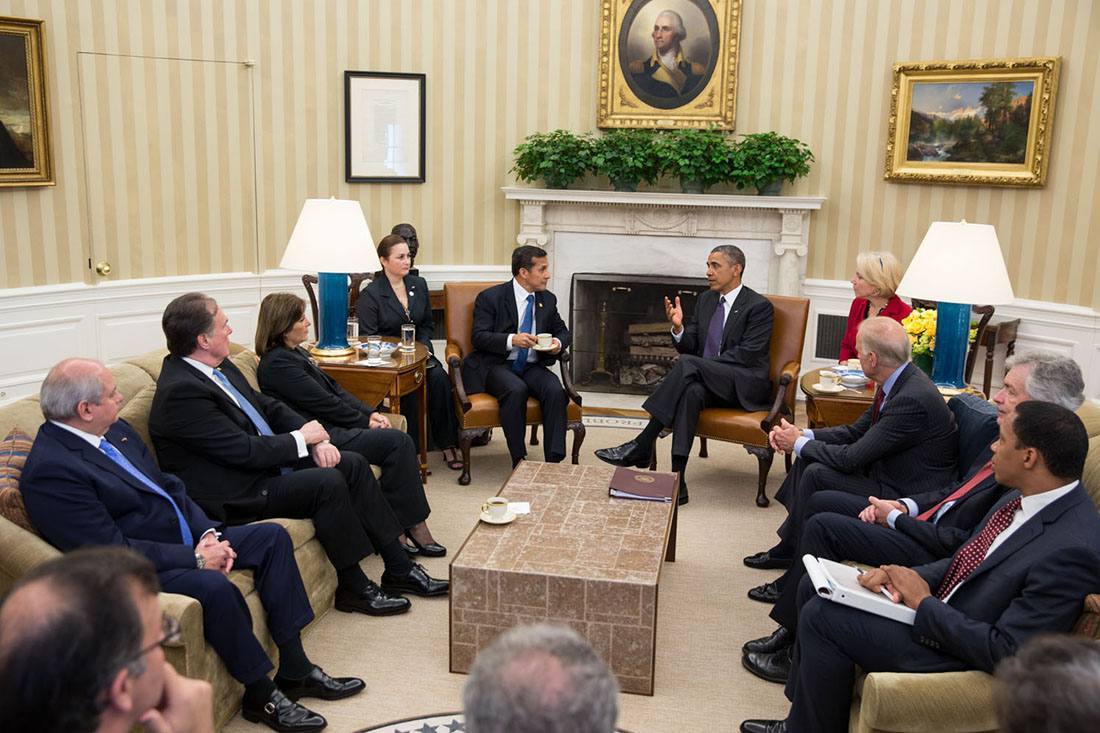
The left, often championing ideals of transparency and accountability, has found itself grappling with its own credibility issues. With the Obama administration coming to power in 2008, many had high hopes for change. However, the perceived shortcomings in areas such as healthcare reform and economic recovery have led many progressives to question whether promises were more about rhetoric than action.
Moreover, the left's critique of corporations and Wall Street has sometimes come off as disingenuous, particularly when figures in high places appear to embrace the very institutions they once condemned. This hypocrisy has not gone unnoticed by the public, contributing to a climate of skepticism.
The Right's Polarizing Rhetoric
On the other end of the political spectrum, the right has taken to amplifying fears regarding government overreach and the implications of social programs. While it is essential to question the role of government, the extreme positions often adopted can create a perception that the right is more interested in inciting fear than fostering constructive dialogue.
Furthermore, the rise of tea party movements has introduced a brand of populism that, while energizing certain voter bases, has also led to a fragmentation of conservative ideals. The relentless focus on opposing the administration has resulted in a lack of coherent policy alternatives, further alienating moderate voters and contributing to the overall trust deficit.
Bridging the Divide
As we navigate this era of polarization, it becomes increasingly vital for both sides to engage in meaningful conversations. While it is easy to point fingers and assign blame, it is essential to recognize shared responsibilities in the decline of public trust. The media, too, has a role to play in ensuring that it serves as a bridge rather than a barrier.
Committed to accountability and informed discourse, journalists must resist the allure of sensationalism and strive to present a balanced view of the issues at hand. An informed public is crucial for a functioning democracy, and the media must rise to this challenge.
The Path Forward
Ultimately, rebuilding trust will require a concerted effort from all stakeholders - government officials, media representatives, and citizens alike. For politicians, this means prioritizing transparency and sincerity over partisan maneuvering. For the media, it demands a return to journalistic integrity and a commitment to factual reporting.
As citizens, we must actively seek out diverse perspectives and engage in civil discourse, rather than allowing ourselves to be divided by fear and resentment. Only through collective effort can we hope to restore faith in our institutions and each other.
✦ ✦ ✦