From the file. Written for the paper dated October 2010. Opened in the public stacks July 14, 2026.
In the realm of nuclear energy, safety remains paramount, yet the discourse surrounding nuclear plant inspections reveals a landscape rife with contrasting narratives. As public concern mounts, the gap between claims made by regulatory bodies and the actual records of inspections raises critical questions about transparency and accountability.
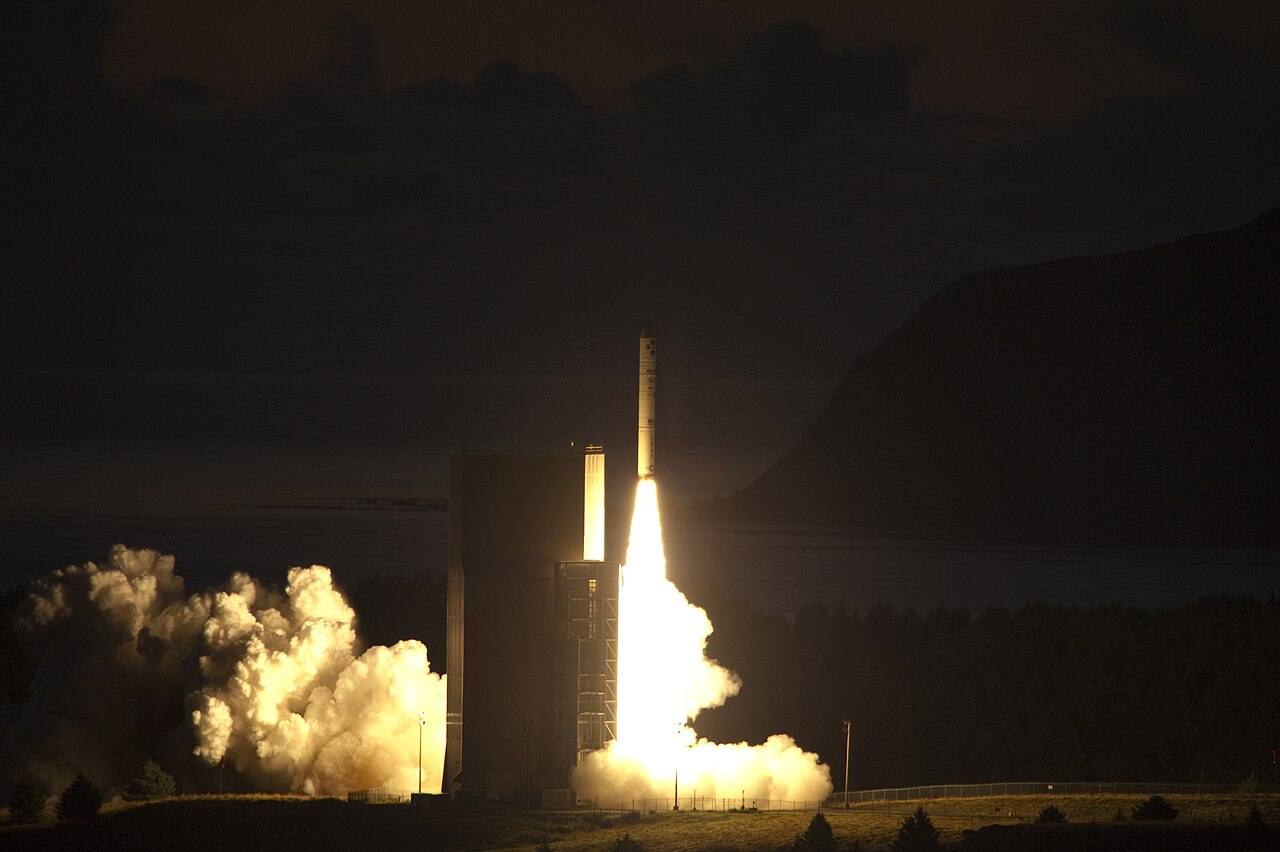
The State of Nuclear Plant Inspections
Nuclear power has long been a contentious topic in American energy policy. Advocates tout its ability to provide a steady stream of electricity with low greenhouse gas emissions, while opponents warn of the potential for catastrophic accidents. As we explore the latest developments in nuclear plant inspections, it is essential to dissect the claims made by both the government and the nuclear industry against the backdrop of actual inspection records.

Recently, the Nuclear Regulatory Commission (NRC) has emphasized its commitment to ensuring the safety of nuclear facilities. In public statements, NRC officials assert that rigorous inspection protocols are in place and that they are continuously striving to uphold the highest safety standards. However, a closer examination of the inspection records reveals a more complex and sometimes troubling picture.

Public Claims vs. Inspection Records
The NRC conducts thousands of inspections annually, but the results of these inspections often do not align with public perception. For example, while the NRC may report that a particular facility is in compliance, the records from these inspections can indicate deficiencies that are less than reassuring. Issues ranging from minor technical violations to more serious safety concerns appear to be downplayed or overlooked in favor of a more favorable public narrative.
This discrepancy raises significant questions about the motivations behind the NRC's public messaging. Are they prioritizing public relations over genuine safety concerns? The potential for catastrophic failure at a nuclear plant is not an issue that should be treated lightly, yet the data suggests that some regulatory practices may be more about maintaining public confidence than ensuring actual safety.
"The gap between public claims and inspection records is troubling. It could undermine trust in our nuclear safety protocols." - Energy Policy Expert
Political Responses and Public Perception
On the political front, both sides of the aisle appear to be capitalizing on the nuclear debate, albeit in starkly different ways. Democrats often advocate for increased regulation and oversight, arguing that the NRC must be more transparent in its reporting and that the public deserves to know about any safety issues. Republicans, on the other hand, typically argue for deregulation, insisting that an overly cautious approach stifles innovation and investment in nuclear technology.

The result is a polarized debate that often sidelines the facts. Instead of fostering a constructive dialogue about nuclear safety, both parties seem more interested in reinforcing their own narratives. This division can lead to public confusion, with citizens left to wonder whom to trust when it comes to the safety of nuclear energy.
Addressing the Safety Concerns
As we grapple with the challenges of nuclear energy, it is crucial that we establish a clear and honest dialogue regarding safety inspections. The potential consequences of a nuclear accident are too severe to be muddied by political rhetoric or public relations spin. A thorough, transparent, and consistent approach to inspections would not only bolster public confidence but also ensure that safety remains the top priority.
Moreover, the NRC must consider how it communicates its findings to the public. Rather than focusing solely on compliance rates, the agency should also highlight areas where improvements are necessary. Transparency in this regard could foster greater public understanding and trust, and ultimately lead to a more informed discussion about the role of nuclear energy in our future.
Conclusion
In conclusion, as the debate around nuclear energy continues to unfold, it is essential that we hold both the regulatory bodies and the political leaders accountable. The stakes are incredibly high, and the American public deserves a transparent account of nuclear plant inspections. As citizens, we must demand clarity and integrity from those charged with ensuring our safety.
✦ ✦ ✦