From the file. Written for the paper dated September 2010. Opened in the public stacks July 14, 2026.
In an age where data and expert opinions seem to flood our daily lives, we must take a step back and scrutinize when these experts overclaim - and how institutions often shield themselves from accountability.

Understanding Overclaiming
Overclaiming occurs when experts extend their credibility beyond the limits of their knowledge. This phenomenon is not merely a matter of individual misjudgment; instead, it often reflects a systemic issue within institutions that prioritize reputation over truth. From scientific communities to corporate entities, the tendency to overreach can lead to misguided policies and public distrust.

Left and Right: A Dual Critique
Both the left and right sides of the political spectrum exhibit tendencies to elevate expert opinions to near-dogmatic status, but they do so in different ways. Left-leaning institutions often lean heavily on scientific communities to validate their policy positions, especially regarding climate change, public health, and social justice. While it is essential to consider expert advice, the left sometimes presents these opinions as infallible truths, disregarding the nuances and uncertainties that often accompany scientific inquiry.

Conversely, the right tends to question experts altogether, especially when their findings contradict deeply held beliefs. This skepticism can lead to the outright dismissal of valuable insights, particularly in fields like environmental science and public health. By rejecting expert opinion, the right, in some cases, creates a false dichotomy that elevates anecdotal evidence above rigorous research. Each side, in its quest for validation, risks undermining the public’s trust in genuine expertise.
Institutional Protectionism
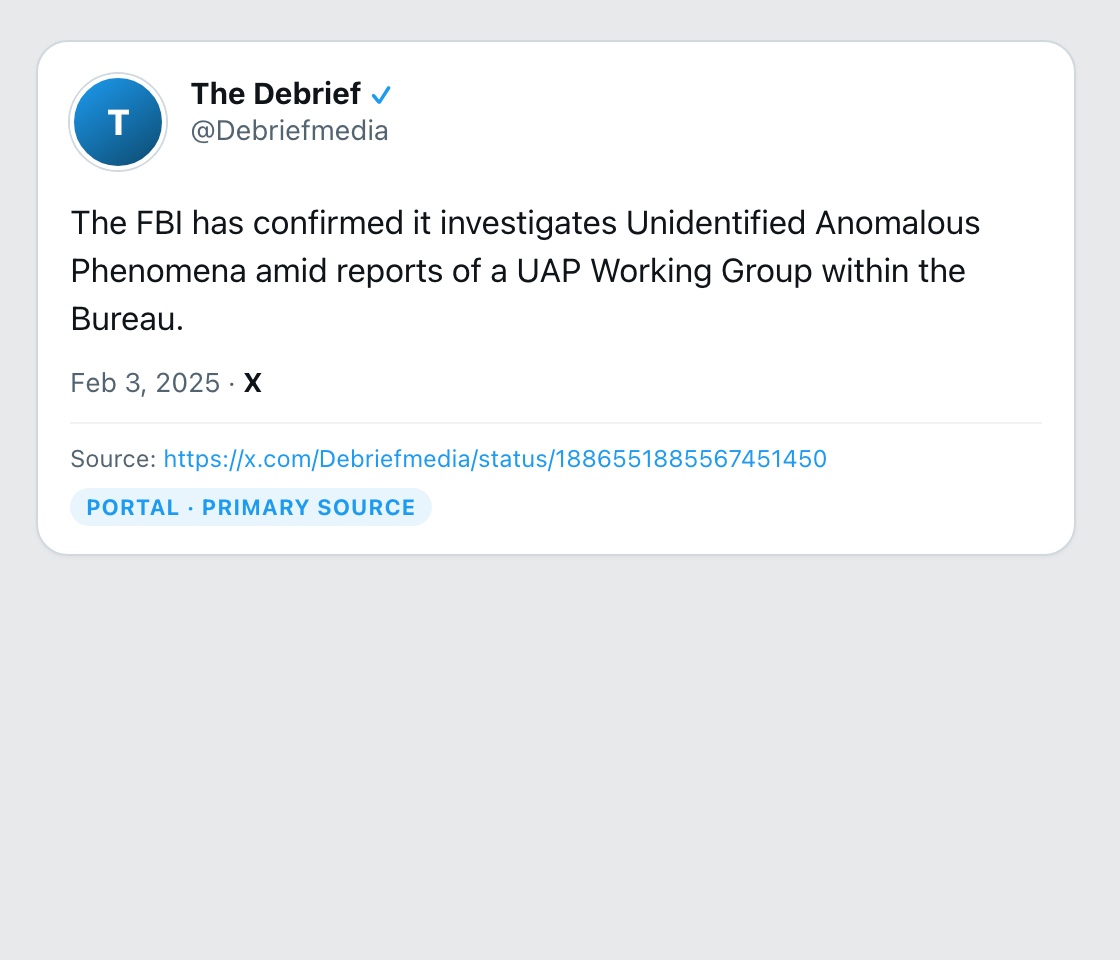
What exacerbates this issue is how institutions protect themselves when experts overclaim. Often, these organizations adopt a defensive posture, prioritizing their reputation over accountability. When expert predictions or claims fail to materialize, institutions frequently shift the blame onto the individuals rather than acknowledging structural flaws that allowed such overreach to occur.
"When expert predictions or claims fail to materialize, institutions frequently shift the blame onto the individuals rather than acknowledging structural flaws."
This culture of protectionism creates a cycle of mistrust. Citizens become wary of expert opinions when they see institutions sidestepping responsibility. If an expert's claims about climate change lead to misguided policies that fail to achieve their intended outcomes, the public is left questioning the credibility of not only that expert but the entire institution that endorsed them.
The Role of Media
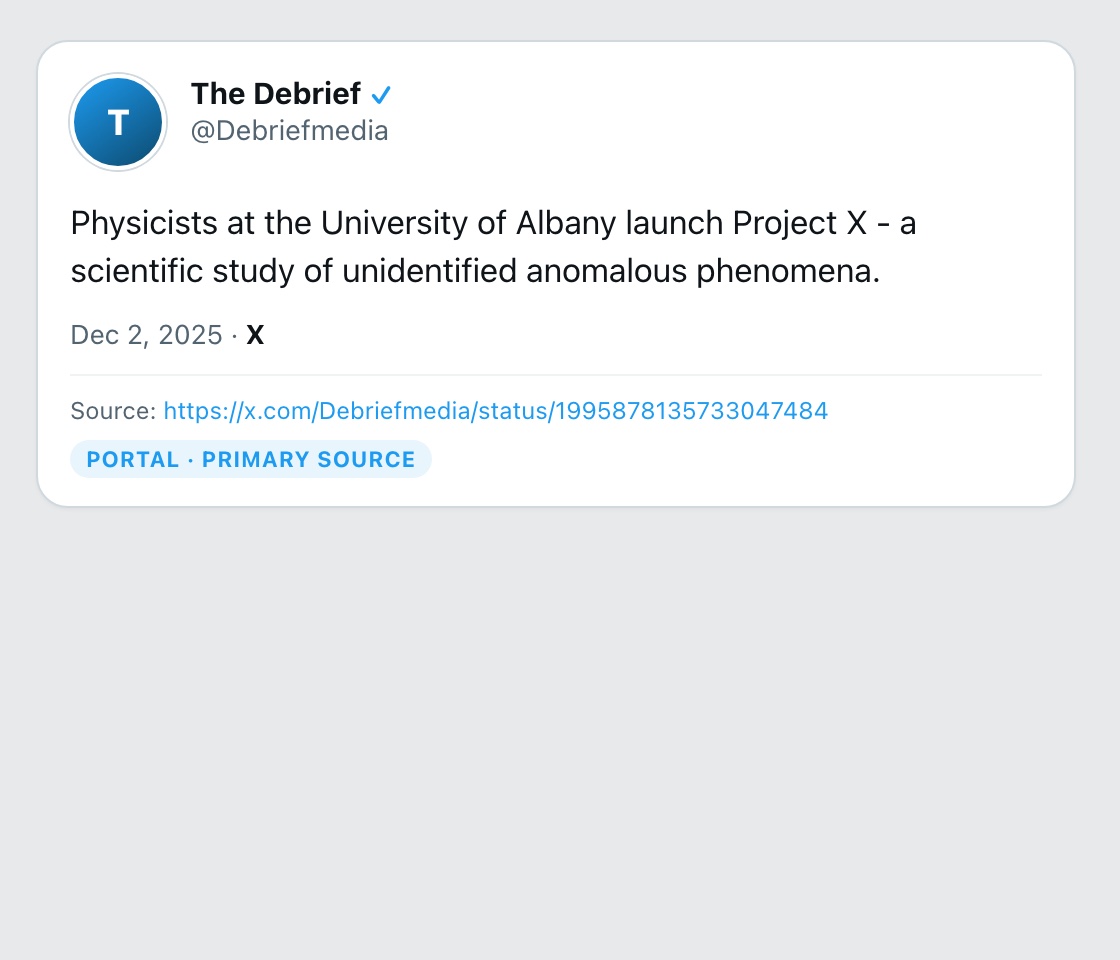
The media plays a crucial role in this dynamic. Often, journalists amplify expert opinions without sufficient context, presenting them as absolute truths rather than informed perspectives. This practice can lead to sensationalism and contributes to the public's confusion regarding complex issues. The media must take care to provide balanced coverage that highlights the uncertainties inherent in expert claims, rather than framing them as definitive answers.
Finding a Middle Ground
To combat the issue of overclaiming, a more nuanced approach to expertise is necessary. Both the left and the right must recognize that expertise does not equate to infallibility. Acknowledging the limitations of expert opinion can foster a healthier dialogue between policymakers, experts, and the public.
Furthermore, institutions need to cultivate a culture of accountability. This means not only supporting experts when they make well-founded claims but also addressing situations when those claims fall short. Transparency in the decision-making process and a willingness to adapt based on new information are vital for rebuilding public trust.
Conclusion
As we navigate an increasingly complex world, it is essential to critically assess the role of experts and the institutions that support them. Both the left and right must learn from each other's excesses to foster a more informed and trusting society. By holding experts accountable and recognizing the limitations of their claims, we can pave the way for a dialogue that respects evidence while accepting the uncertainties that come with it.
✦ ✦ ✦