From the file. Written for the paper dated September 2010. Opened in the public stacks July 14, 2026.
Recent surveys reveal a troubling decline in public trust across various institutions, from government to media, raising critical questions about accountability and transparency.
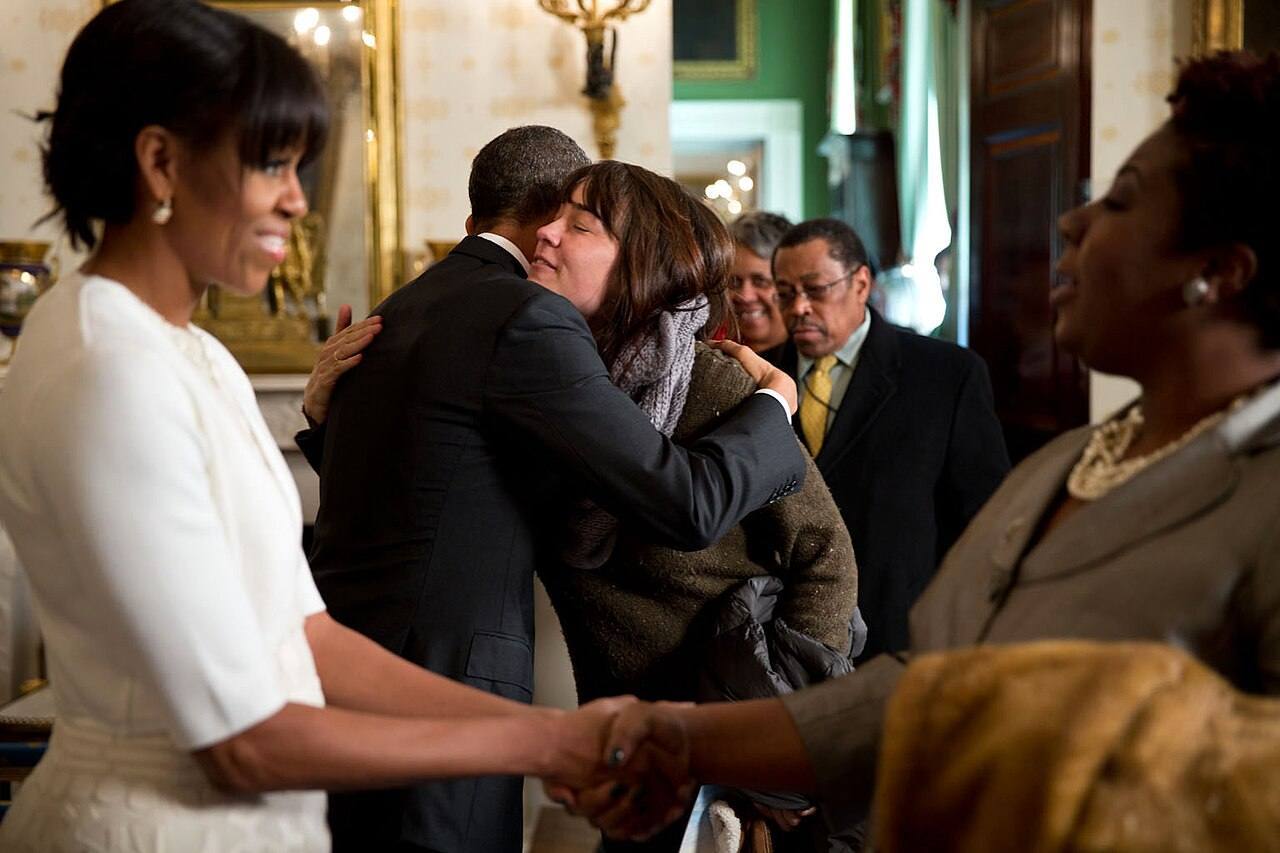
The Erosion of Trust
The latest public trust survey paints a stark picture: Americans are increasingly skeptical of the very institutions designed to serve them. This skepticism is not merely a reflection of partisan divides but rather a broader disillusionment with the mechanisms of governance and the media landscape. The question arises: how do these institutions respond to such a decline? Are they genuinely concerned about rebuilding trust, or do they merely seek to protect their own interests?
The survey indicates that trust in government has plummeted to its lowest levels in decades, with only a fraction of citizens expressing confidence in elected officials. This sentiment is echoed across the board; trust in the media, once a cornerstone of democracy, is also waning. In an era marked by sensationalism and partisan reporting, many citizens feel that news outlets prioritize ratings over responsible journalism. This decline in trust is a double-edged sword, as it raises questions about the efficacy of institutions that are supposed to uphold democratic values.
Institutional Responses: A Defensive Posture
In response to this crisis, institutions have often resorted to defensive measures rather than substantive reforms. Government agencies release statements emphasizing their commitment to transparency while simultaneously engaging in practices that obscure their decision-making processes. Similarly, media organizations tout their journalistic integrity in the face of rising skepticism, yet their reliance on clickbait headlines often undermines this claim. Instead of addressing the root causes of distrust, these institutions seem more focused on maintaining their status quo.
“The decline in public trust is not just a partisan issue; it’s a crisis of governance and accountability.”
Partisan Excesses and the Impact on Trust
The political landscape in September 2010 is deeply polarized, with both the left and the right contributing to the erosion of trust in institutions. On one hand, progressive voices often portray government as a tool for social justice, yet their actions sometimes reflect a disconnect with the very citizens they aim to help. The push for expansive government programs can alienate those who feel that their voices are not being heard in the policymaking process.
On the other hand, conservative rhetoric frequently emphasizes limited government, promoting an image of self-reliance. However, this perspective can lead to a dismissal of the very institutions that provide essential services and protections. The right's relentless critique of government can foster a culture of cynicism, further driving a wedge between citizens and their elected officials.
The Media’s Role in the Trust Equation
As the public grapples with uncertainty about who to believe, the media finds itself caught in a difficult position. The rise of 24-hour news cycles has led to a race for sensational headlines, often overshadowing nuanced reporting. This trend only exacerbates existing distrust, with citizens questioning the motives behind the stories they consume. Rather than serving as a check on power, a segment of the media appears to contribute to the very division it seeks to report on.
Rebuilding Trust: A Path Forward?
The challenge moving forward is clear: how can institutions begin to rebuild the trust that has been lost? It requires a commitment to genuine transparency and accountability. Government officials must engage meaningfully with their constituents, ensuring that the voices of those they represent are heard and valued. Likewise, media organizations should prioritize investigative journalism that holds power to account rather than succumbing to the temptation of sensationalism.
“To regain public trust, institutions must prioritize transparency and accountability over self-preservation.”
It is crucial for both government and media to recognize their roles as stewards of democracy. The path to restoring trust will not be easy, but it is necessary for the health of our society. Citizens deserve institutions that reflect their values and serve their needs, not just those that seek to protect their own interests.
✦ ✦ ✦