From the file. Written for the paper dated September 2010. Opened in the public stacks July 14, 2026.
In an age where the media is caught between sensationalism and the responsibility of informing the public, it is critical to analyze how institutional incentives shape the news we consume.

Understanding Media Incentives
The media landscape has transformed dramatically over the past two decades. Traditional institutions are now navigating a world where ratings and clicks often overshadow the pursuit of truth. This shift raises important questions about the integrity of our news sources and the motivations behind their reporting.

On one side, we witness a left-leaning media that often prioritizes narratives that resonate with progressive ideologies. This bias can skew coverage, leading to a portrayal of events that aligns with a specific worldview rather than a balanced account. For instance, the tendency to emphasize systemic inequalities may inadvertently overlook the complexities of individual circumstances, which are essential to a holistic understanding of societal issues.

Conversely, the right-leaning media often capitalizes on populist sentiments, framing stories in a way that fosters outrage and galvanizes their audience. This can lead to the amplification of conspiracy theories and a dismissal of well-supported facts that do not align with their narrative. The result is a polarized media environment where truth becomes a casualty in the battle for audience loyalty.
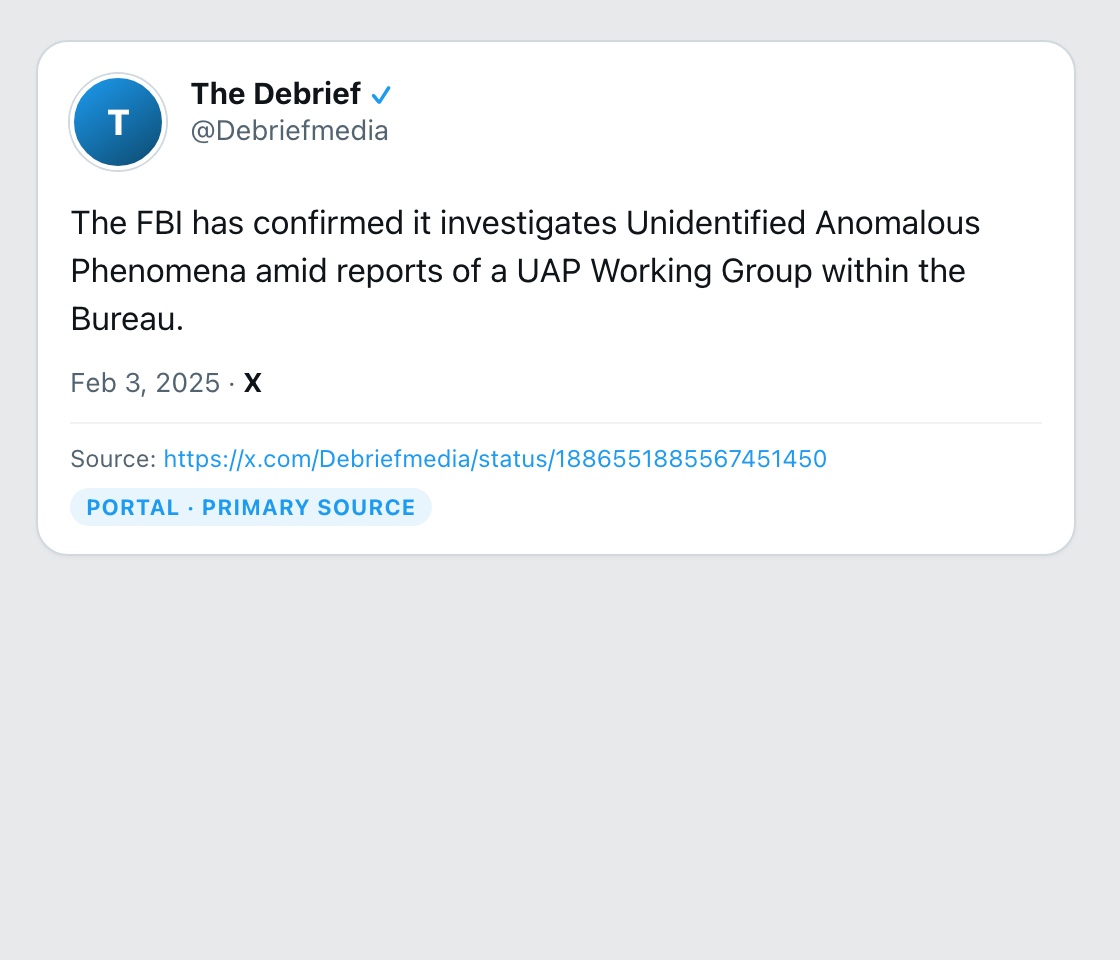
The media's race for ratings has consequences that extend far beyond the newsroom, impacting public perception and trust.
Institutional Protections and Their Consequences
Institutions, both media and political, have developed mechanisms that serve to protect their interests rather than the public's right to know. In the pursuit of profit, news organizations may shy away from controversial topics, opting instead for safer stories that appeal to broader audiences. This is not merely a question of editorial choice but a reflection of economic realities that compel media outlets to prioritize profitability over journalistic integrity.
Moreover, the increasing consolidation of media ownership has exacerbated these issues. With fewer entities controlling a significant portion of the news landscape, there is a risk that diverse viewpoints and critical reporting will be stifled. This homogeneity can create echo chambers, where audiences are only exposed to viewpoints that reinforce their existing beliefs.

Public Trust in the Media
Public trust in the media is at an all-time low, and it is easy to understand why. As the media landscape has become more fragmented, audiences have turned to sources that affirm their beliefs, often at the expense of seeking out balanced information. This trend has significant implications for democracy, as a well-informed electorate is crucial for the functioning of a healthy society.
In an environment where sensationalism prevails, the public may become desensitized to important issues, leading to apathy or misguided outrage. The responsibility lies not only with media outlets but also with consumers of news to seek out diverse perspectives and demand accountability from their sources.
In an environment where sensationalism prevails, the public may become desensitized to important issues.
Finding a Path Forward
To reestablish trust and integrity in journalism, a concerted effort is needed from both media institutions and the public. Media organizations must prioritize transparency in their reporting processes and strive for diverse representation within their editorial teams. This will help ensure that a variety of perspectives are considered and presented to the public.
Furthermore, audiences must engage critically with the news they consume. By challenging preconceived notions and seeking out information from a range of sources, individuals can contribute to a more informed citizenry. This requires an active commitment to media literacy, helping people discern reliable information from sensationalized or misleading narratives.
The Role of Accountability
Accountability is crucial in the media landscape. When journalists and media organizations are held responsible for their reporting, the incentive to produce quality content increases. Initiatives that promote fact-checking and transparency in reporting can serve as valuable tools in this endeavor.
Ultimately, the relationship between the media and the public is symbiotic. Both parties play a role in shaping the discourse and ensuring that the pursuit of truth remains at the forefront. As we navigate this complex landscape, it is imperative to hold both media institutions and ourselves accountable for the information we consume and share.
✦ ✦ ✦