From the file. Written for the paper dated August 2010. Opened in the public stacks July 14, 2026.
In a week marked by executive orders that reflect the growing polarization in American politics, both parties seem to be playing to their bases, often at the expense of broader consensus.

Executive Orders and Their Implications
The Obama administration's approach to executive orders has drawn both praise and criticism. On one hand, the President has used these directives to push through policies that might otherwise stall in a divided Congress. On the other, this reliance on executive action raises concerns about overreach and undermines the legislative process. The executive order is a tool meant for efficient governance, but its increasing use has transformed it into a weapon wielded by both sides of the aisle.
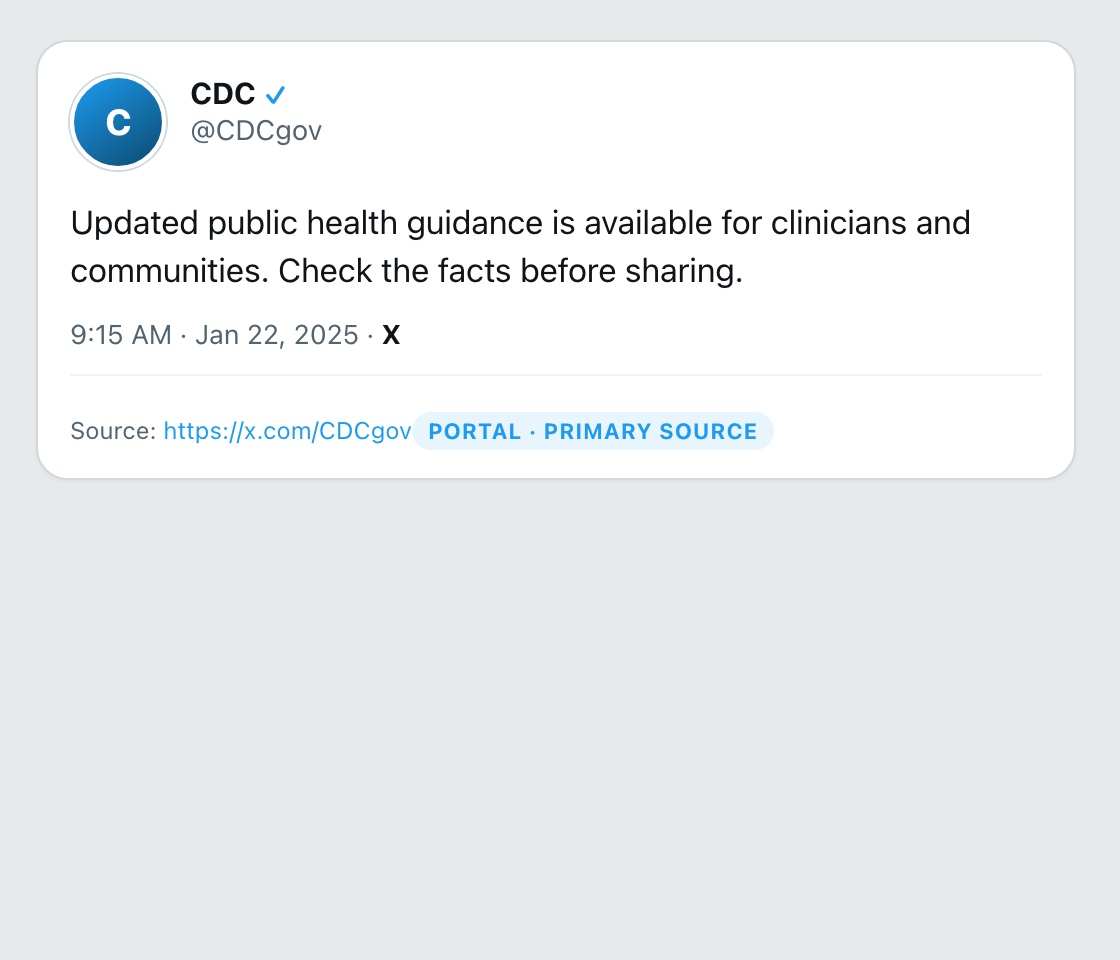
"Executive orders should facilitate governance, not complicate the political landscape." - Anonymous Political Analyst
On the left, President Obama has sought to implement progressive reforms through executive orders, tackling issues ranging from healthcare to climate change. His recent orders on environmental protections aim to curb greenhouse gas emissions and promote clean energy initiatives. These actions resonate with his base, who expect bold moves on climate policy. However, critics warn that such measures could provoke legal battles and backlash from states that disagree with federal mandates.

Meanwhile, the right has responded with its own brand of executive action, often looking to dismantle or challenge the initiatives put forth by the Obama administration. Recently, several Republican governors have threatened to reject federal funding tied to these orders, arguing that they infringe upon states' rights. This tactic not only rallies their support base but also sets up a contentious standoff that could escalate tensions between federal and state governments.
The Cycle of Reaction
This tit-for-tat dynamic creates a cycle of reaction that fuels further division. Democrats feel compelled to respond to Republican pushback with more aggressive executive actions, while Republicans become increasingly entrenched in their opposition, viewing any executive order as an overreach. As a result, the public is left to navigate a political landscape that feels increasingly hostile and polarized.
The implications of this executive order tug-of-war extend beyond immediate policy outcomes. The ongoing struggle raises questions about the future of bipartisan cooperation. If both parties remain entrenched in their respective corners, the likelihood of meaningful legislative progress diminishes. Voters may be left feeling disillusioned, as the promise of compromise and collaboration evaporates in favor of partisan gamesmanship.
Calls for Reform
Some lawmakers have begun to call for reforms to limit the use of executive orders, advocating for a return to a more collaborative legislative process. While these calls are commendable, they also highlight the underlying issue of political will - or lack thereof. The reality is that both parties have incentives to leverage executive orders when it suits their agendas, creating a self-perpetuating cycle of overreach and retaliation.
"When both sides play the executive order game, it diminishes the power of Congress and the voice of the people." - Anonymous Congressional Staffer
As the midterm elections approach, the stakes are high. Both parties must navigate the complexities of governance while attempting to appeal to their respective bases. The question remains: will they prioritize short-term political gains over long-term stability and cooperation?
The American public is weary of the constant back-and-forth, and there is an emerging demand for leaders who can rise above the fray. Citizens are calling for genuine dialogue and solutions that address pressing issues without the baggage of political posturing. This desire for change is palpable, yet it remains to be seen whether it will translate into action from those in power.
Ultimately, the reliance on executive orders as a means to bypass legislative gridlock is symptomatic of a deeper malaise in American politics. If both sides continue to exploit this tool for partisan purposes, they risk alienating the very constituents they seek to serve. The challenge now lies in finding a path toward governance that respects the checks and balances intended by the Constitution while also responding to the urgent needs of the nation.
Looking Forward
As the debates surrounding executive orders rage on, it is crucial for both parties to reflect on their roles in shaping a more productive political environment. The future of American governance may depend on their ability to collaborate and compromise, rather than resort to unilateral action that further divides the nation.
✦ ✦ ✦