From the file. Written for the paper dated July 2010. Opened in the public stacks July 14, 2026.
In the realm of particle physics, the excitement surrounding recent experiments often overshadows the nuances of what is reported to the public. As scientists at the Large Hadron Collider (LHC) continue to unravel the mysteries of the universe, it is imperative to examine not just the headlines but also what is left unsaid in the briefings.
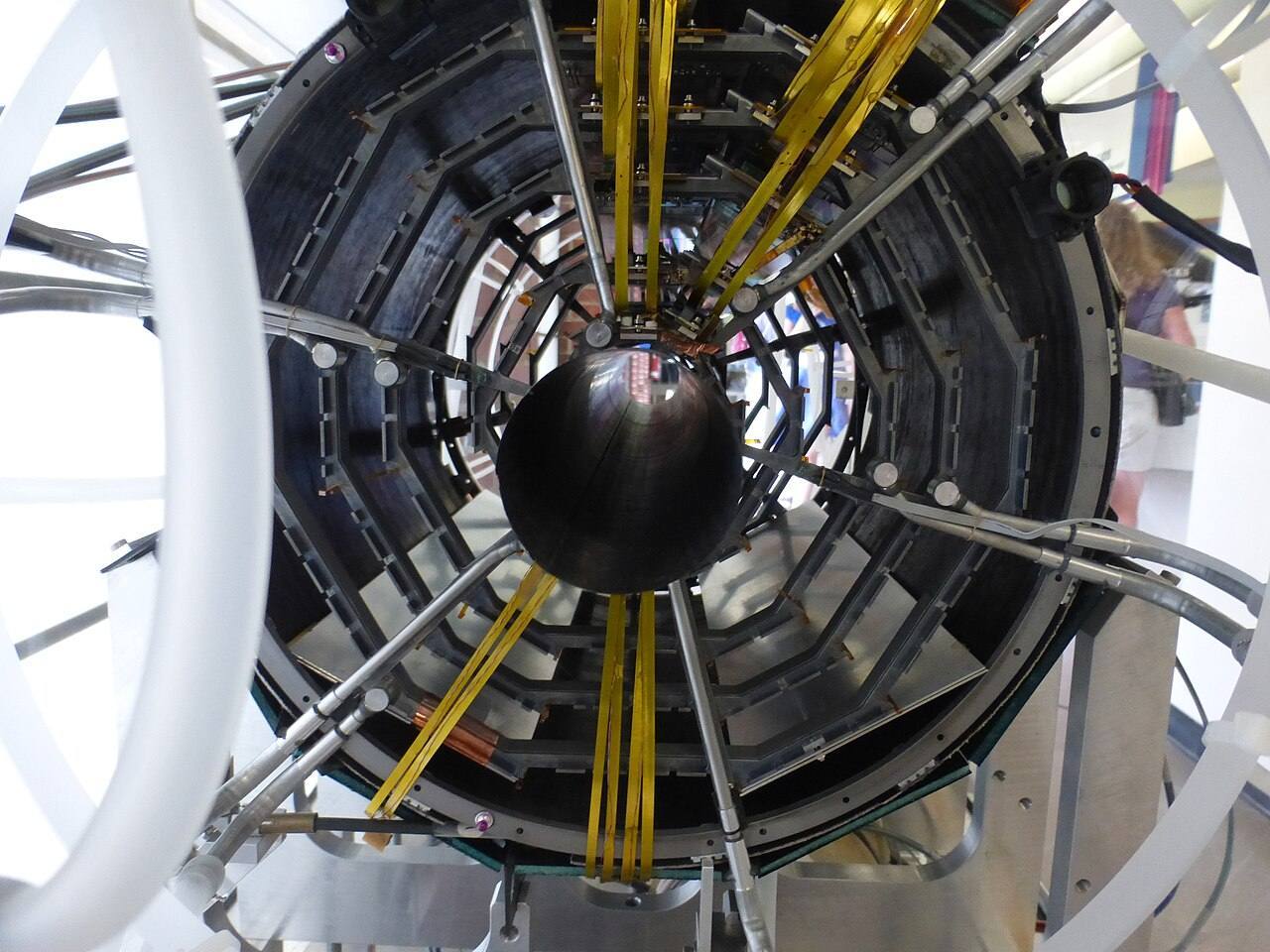
A Closer Look at the LHC Findings
The Large Hadron Collider, located near Geneva, Switzerland, has been a focal point of scientific inquiry since its inception. With its immense power designed to collide protons at unprecedented levels of energy, the LHC aims to uncover the building blocks of matter and the fundamental forces that govern our universe. Recent findings suggest the potential discovery of the Higgs boson, often referred to as the "God particle," a theorized component of the Standard Model of particle physics that could explain why particles have mass.

However, amid the excitement, crucial details often get glossed over. While physicists are eager to share promising results, the complexities of the data and the limitations of current models tend to take a backseat in public discussions. For instance, the LHC's experiments are not just about confirming existing theories but also about challenging and refining them. This deeper narrative rarely finds its way into the popular science reports and press releases.
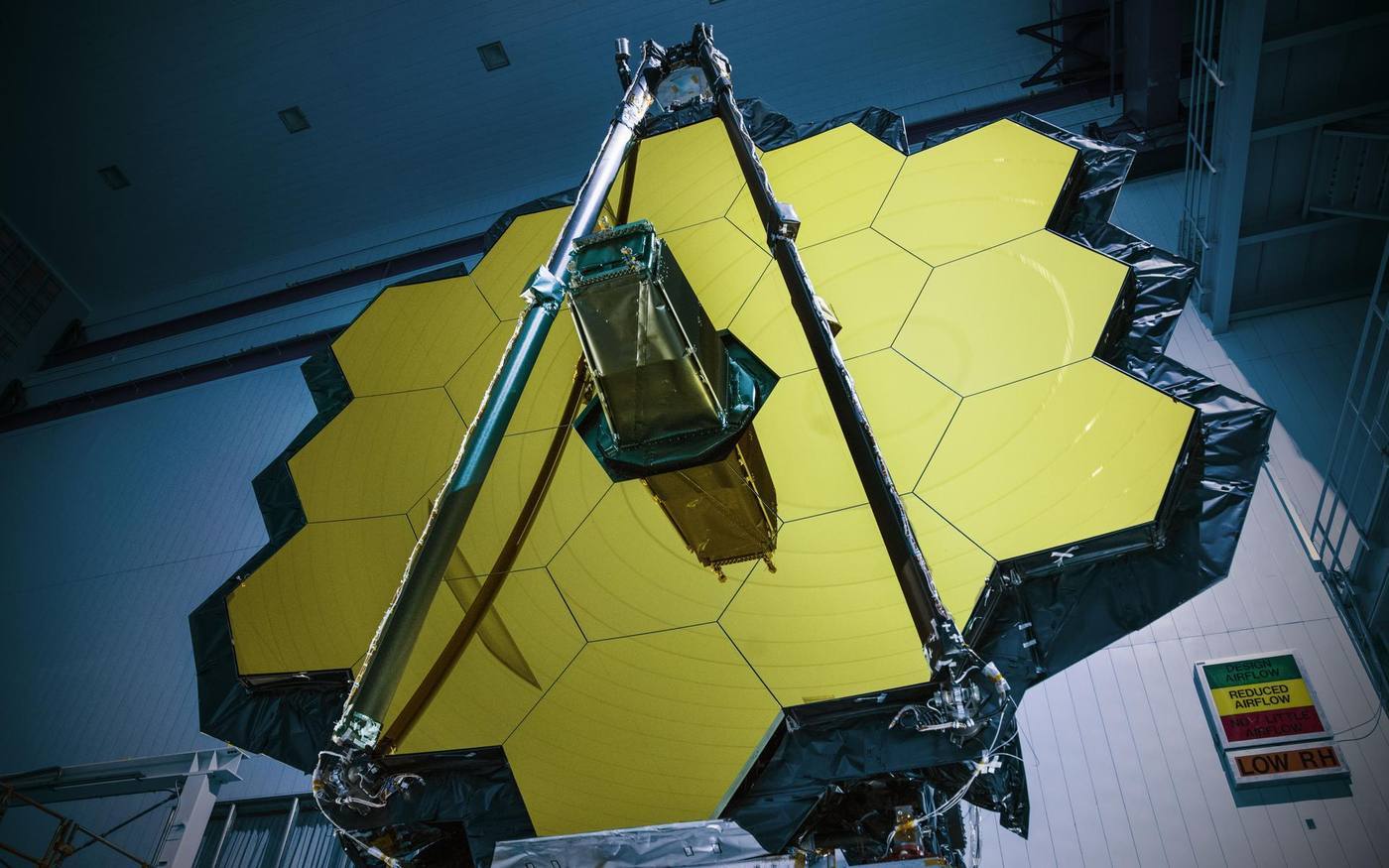
The Cost of Comprehension
Furthermore, the financial implications of the LHC project often fall under the radar. The construction and operation of this monumental facility have cost billions of dollars, generating debate over whether such investment is justified, especially in the face of pressing societal issues like healthcare and education. Critics from both sides of the political spectrum raise concerns about the allocation of taxpayer dollars. On the left, some argue that funds should be redirected to aid social programs, while on the right, fiscal conservatism questions the value of esoteric research that seemingly bears little relevance to everyday life.

"Scientific inquiry should not be a luxury, but a necessity. Yet how do we justify the expense?"
The truth lies somewhere in between. Supporters of high-energy physics argue that the technological advancements spurred by such projects often have broader applications. However, this argument can sometimes come off as an attempt to justify extravagant spending rather than an earnest acknowledgment of the trade-offs involved.
The Science Communication Gap
Another significant issue is the gap in science communication. Scientists often struggle to convey their findings in accessible terms, leaving the public to rely on journalists who may lack the detailed expertise necessary to fully interpret complex data. This gap can lead to sensationalism, where the excitement of potential discoveries overshadows the scientific rigor and caution that underpin them. As scientists present their findings with enthusiasm, journalists are pressed to produce stories that captivate audiences. The result can be an oversimplified narrative that may distort the reality of what has been achieved.

Balancing Expectations and Reality
Moreover, the public's expectations can sometimes spiral out of control. The hype surrounding discoveries at the LHC can lead to an unrealistic anticipation of immediate results. When a scientific community is under pressure to deliver groundbreaking findings, it can inadvertently lead to the omission of doubts and uncertainties that are an inherent part of the scientific method. This pressure is exacerbated by a culture that increasingly demands instant gratification, both in news cycles and in scientific validation.
As we stand on the verge of what could be transformative discoveries in particle physics, it is vital for both scientists and the media to foster a more nuanced dialogue. Emphasizing the ongoing nature of scientific inquiry and the importance of a skeptical approach to new findings can help temper public enthusiasm with the necessary caution that accompanies groundbreaking work.
Conclusion: An Ongoing Journey
The quest for knowledge in particle physics is an ongoing journey filled with uncertainties and complexities. While the headlines may focus on the exhilarating prospect of new discoveries, it is crucial to also acknowledge the intricate web of challenges, costs, and the need for clear communication. Both the scientific community and the media have a responsibility to ensure that the public is not only informed but also equipped to understand the evolving landscape of scientific exploration.
✦ ✦ ✦