From the file. Written for the paper dated July 2010. Opened in the public stacks July 14, 2026.
In the current political climate of July 2010, the media landscape is as polarized as the electorate it serves. With a barrage of headlines and sound bites dominating our screens, the incentives that drive media coverage often lead to crucial nuances being sidelined, leaving the public with a distorted understanding of the issues at hand.
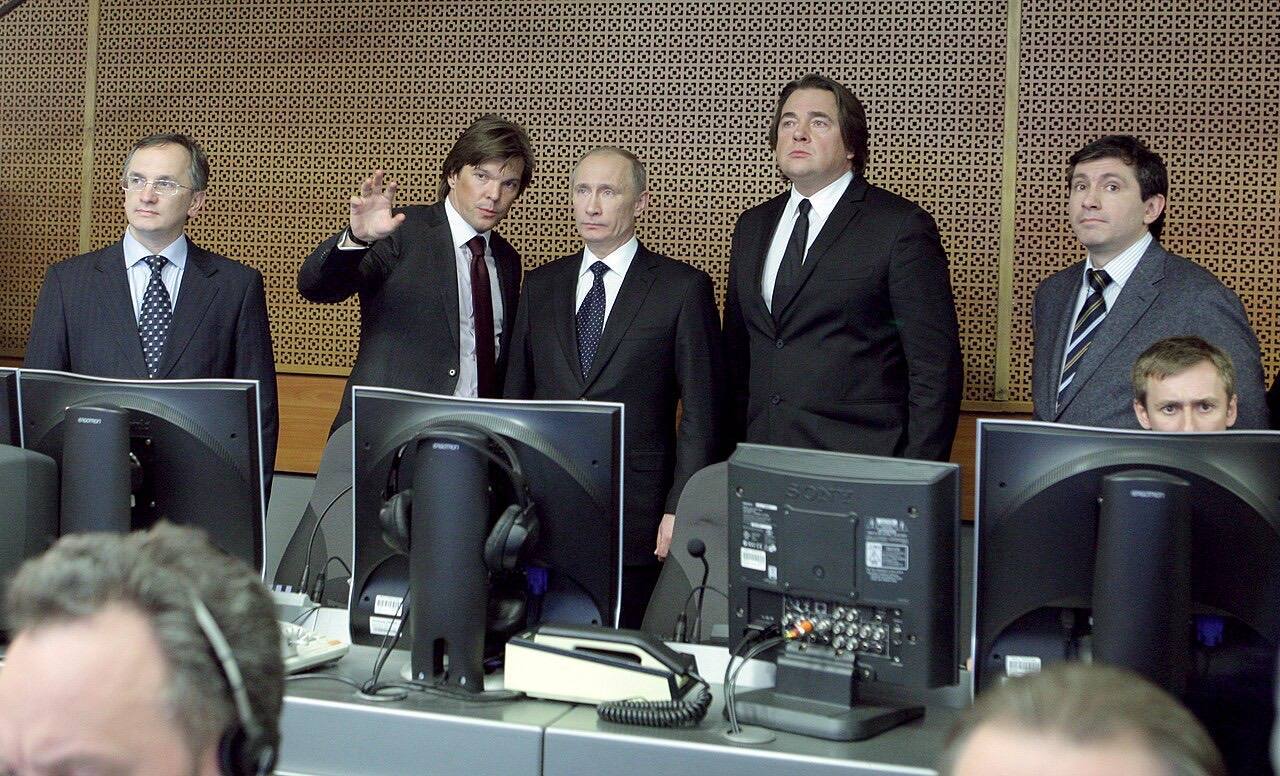
The media's role in shaping public discourse cannot be underestimated. However, the incentives that govern news coverage frequently prioritize sensationalism over substance. Whether it is to attract viewers, gain clicks, or simply to fit into the prevailing narrative, the result is often a superficial examination of complex issues. This phenomenon is evident across the political spectrum, with both left and right leaning outlets engaging in practices that prioritize ideology over factual reporting.
Left-Leaning Excesses
On the left, media outlets have been known to adopt a narrative that demonizes opposing viewpoints while elevating their own. In an era where the stakes seem higher than ever, this approach can seem justified. However, it risks alienating moderate voices and shutting down productive discourse. By framing every issue through a partisan lens, the left-leaning media often overlooks the nuances that could foster understanding and compromise.

“The media should act as a bridge, not a barrier, in political discourse.”
Take the coverage of healthcare reform, for instance. While advocating for universal access and critiquing corporate interests in healthcare is important, the left’s tendency to oversimplify the complexities of the issue can lead to misinformation. By focusing primarily on the moral imperatives and ignoring the practical implications, a disservice is done to both the public and policymakers who need a comprehensive understanding to navigate the reform process effectively.
Right-Leaning Responses
Conversely, the right has found a fertile ground for its own brand of excess in the media landscape. Outlets often indulge in fear-mongering tactics, framing issues like immigration or taxation in stark, alarming terms. This sensationalist approach not only distorts reality but also fosters an environment where rational debate is drowned out by cacophony. The right’s media incentives frequently prioritize attention-grabbing headlines over factual accuracy, leading to a misinformed populace.
“When fear prevails, reason retreats.”
The debate surrounding climate change illustrates this issue well. Right-leaning media often focus on the potential economic ramifications of environmental regulations, framing them as a threat to personal freedoms and job security. While economic considerations are valid, the portrayal of climate change as a hoax or a non-issue can stifle necessary discourse on the real dangers that our planet faces. This leads to a populace that is not only misinformed but resistant to engaging with a pressing global crisis.
The Middle Ground
There exists a pressing need for media outlets to foster a more balanced discourse that embraces complexity and acknowledges diverse perspectives. This means moving beyond the binary of left and right, and instead, seeking to understand the multifaceted nature of the issues at hand. Media incentives should be reoriented towards the goal of informing rather than inflaming.
To achieve this, journalists must prioritize thorough research and fact-checking, striving to present a complete picture of the issues. This means incorporating voices from across the spectrum, including those who may hold unpopular or dissenting opinions. By doing so, media can help bridge the gap between opposing sides and promote a healthier public discourse.
Moreover, media literacy among the public must become a priority. Audiences should be encouraged to critically evaluate the information they consume, recognizing the biases and incentives that may shape that information. This can empower citizens to seek out diverse sources and engage with a broader array of perspectives, ultimately leading to a more informed electorate.
In conclusion, the current media landscape in July 2010 reflects a troubling trend of excessive partisanship that obscures the truth. Both left and right-leaning outlets must reconsider their incentives and work towards a more nuanced, comprehensive approach to reporting. Only then can we hope to foster a political culture that values dialogue over division.
✦ ✦ ✦