From the file. Written for the paper dated June 2010. Opened in the public stacks July 14, 2026.
As public clinics across the nation grapple with increasing patient loads, the question remains: are these facilities effectively meeting the health needs of their communities? This week, we take a closer look at the numbers behind public clinics, revealing a complex landscape that reflects both successes and alarming shortcomings.
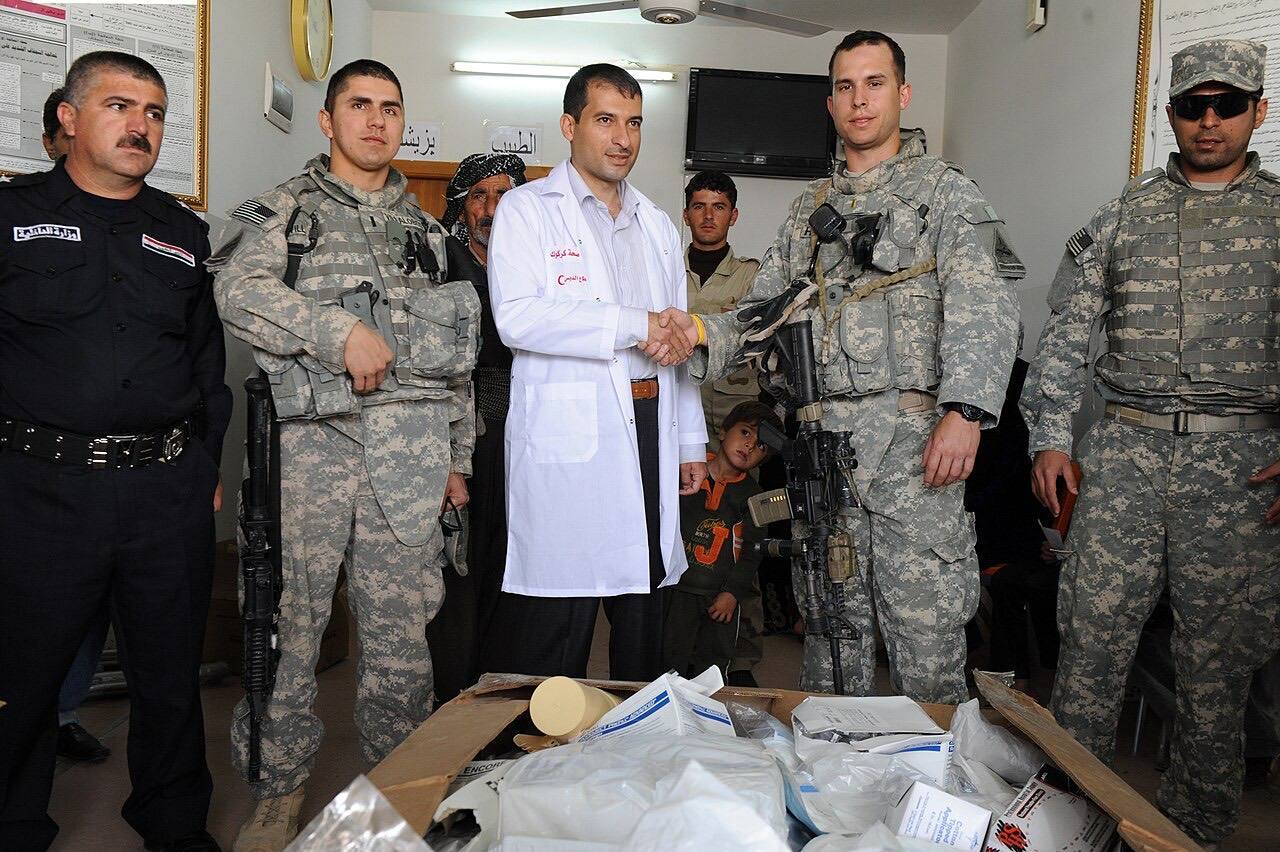
The Rising Demand for Services
In recent months, public clinics have seen a surge in patient visits. Reports indicate that many clinics are operating at or beyond capacity, with some facilities reporting increases in patient numbers by as much as 30 percent compared to previous years. This spike can be attributed to various factors, including the economic downturn, rising unemployment rates, and a growing uninsured population. As families struggle to make ends meet, more individuals are turning to public clinics for basic health care services.

"The system is stretched thin, and while we are doing our best to accommodate everyone, there are limits to what we can provide." - Anonymous clinic director
Understanding the Numbers
While the increase in patient visits may seem encouraging, a deeper analysis reveals troubling trends. Despite the high volume of patients, many clinics are facing significant funding challenges. Federal and state funding for public health programs has stagnated, and in some cases, been cut altogether. Consequently, clinics are often forced to make difficult decisions about resource allocation, potentially compromising the quality of care provided.
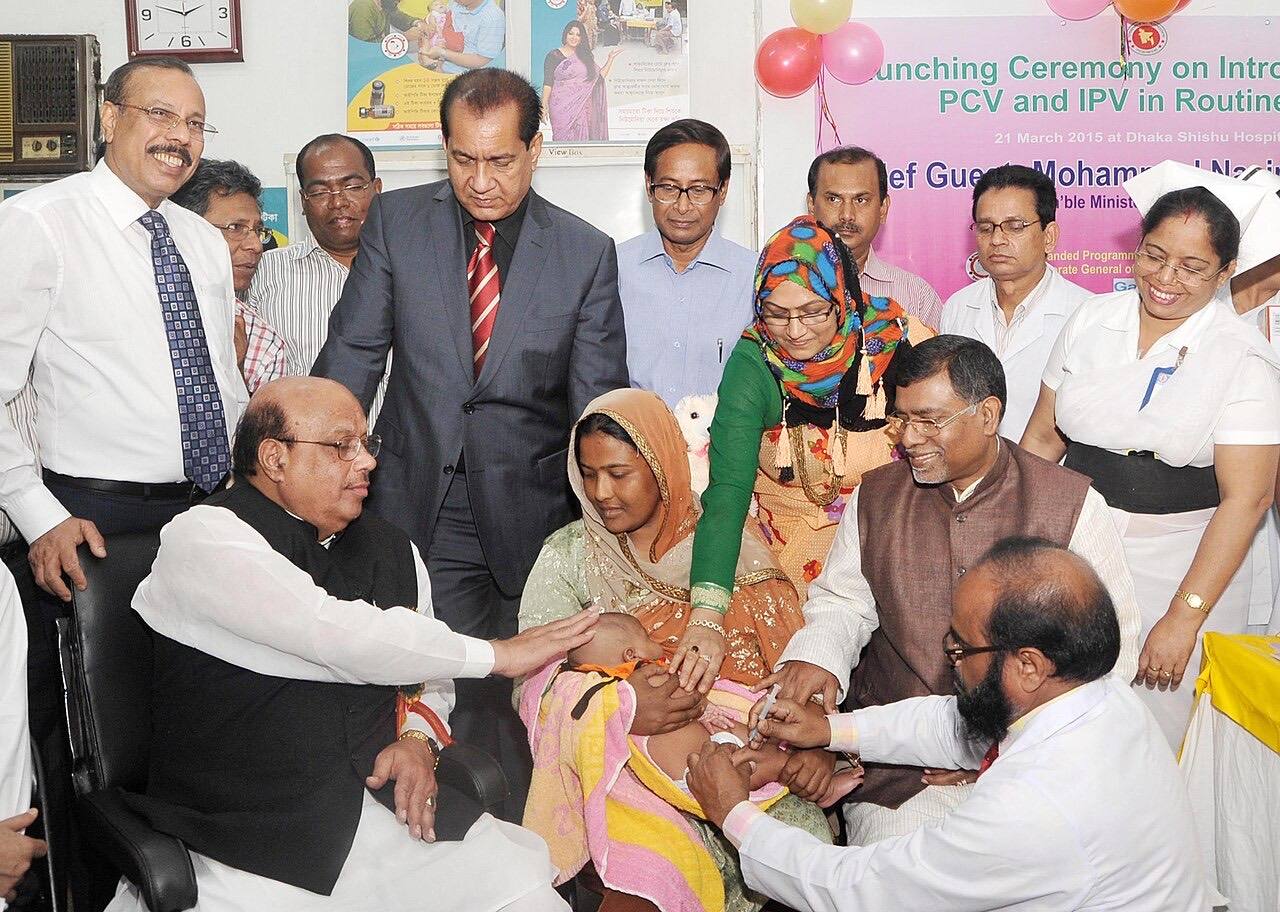
Additionally, the data suggests that while more patients are visiting public clinics, many are not receiving comprehensive care. A recent survey conducted by a coalition of health organizations found that nearly 40 percent of patients reported not receiving follow-up care after their initial visit. This gap in continuity of care raises concerns about the long-term health outcomes for those relying on these clinics.

The Left and Right: A Clash of Solutions
The current state of public clinics has ignited fierce debates among policymakers, with both the left and right offering starkly different visions for reform. The left advocates for increased funding and a broader safety net, arguing that access to healthcare is a fundamental right. They point to the success of community health programs that have demonstrated positive health outcomes when adequately funded.
Conversely, the right often emphasizes the need for greater efficiency and accountability within public health systems. They argue that additional funding without reform will only perpetuate existing inefficiencies. While there are valid points on both sides, the challenge lies in reconciling these perspectives to create a balanced approach that addresses both immediate needs and long-term sustainability.

Community Responses
In light of the challenges faced by public clinics, many communities are stepping up to fill the gaps. Grassroots organizations and local health advocates are launching initiatives to provide support, whether through volunteer programs, health education workshops, or fundraising efforts to supplement clinic budgets. These community-driven solutions highlight the resilience of citizens in the face of systemic challenges, but they also underscore the inadequacy of the current public health infrastructure.
The Road Ahead
As the summer progresses, the pressures on public clinics are unlikely to abate. With ongoing economic uncertainty, the demand for services will likely continue to rise. This situation presents a critical opportunity for dialogue among stakeholders - from lawmakers to clinic directors to community members - about how to strengthen our public health system.
Finding a solution will require more than just increased funding or reformist rhetoric. It will call for a collaborative approach that prioritizes patient care while ensuring accountability and efficiency. As we navigate these complex issues, it is essential to keep the conversation focused on the needs of patients, rather than letting political ideologies dictate the path forward.
Conclusion
Public clinics remain a lifeline for many, but they are under immense pressure to deliver quality care amid rising demand and dwindling resources. As we reflect on the state of these vital institutions, let us consider what changes must be made to ensure that everyone has access to the health care they deserve.
✦ ✦ ✦