From the file. Written for the paper dated June 2010. Opened in the public stacks July 14, 2026.
As the filibuster debate continues to rage in Washington, both sides of the political aisle are leveraging rhetoric and statistics to bolster their arguments. However, a closer examination reveals a complex reality that challenges the oversimplified narratives being peddled by both left and right.
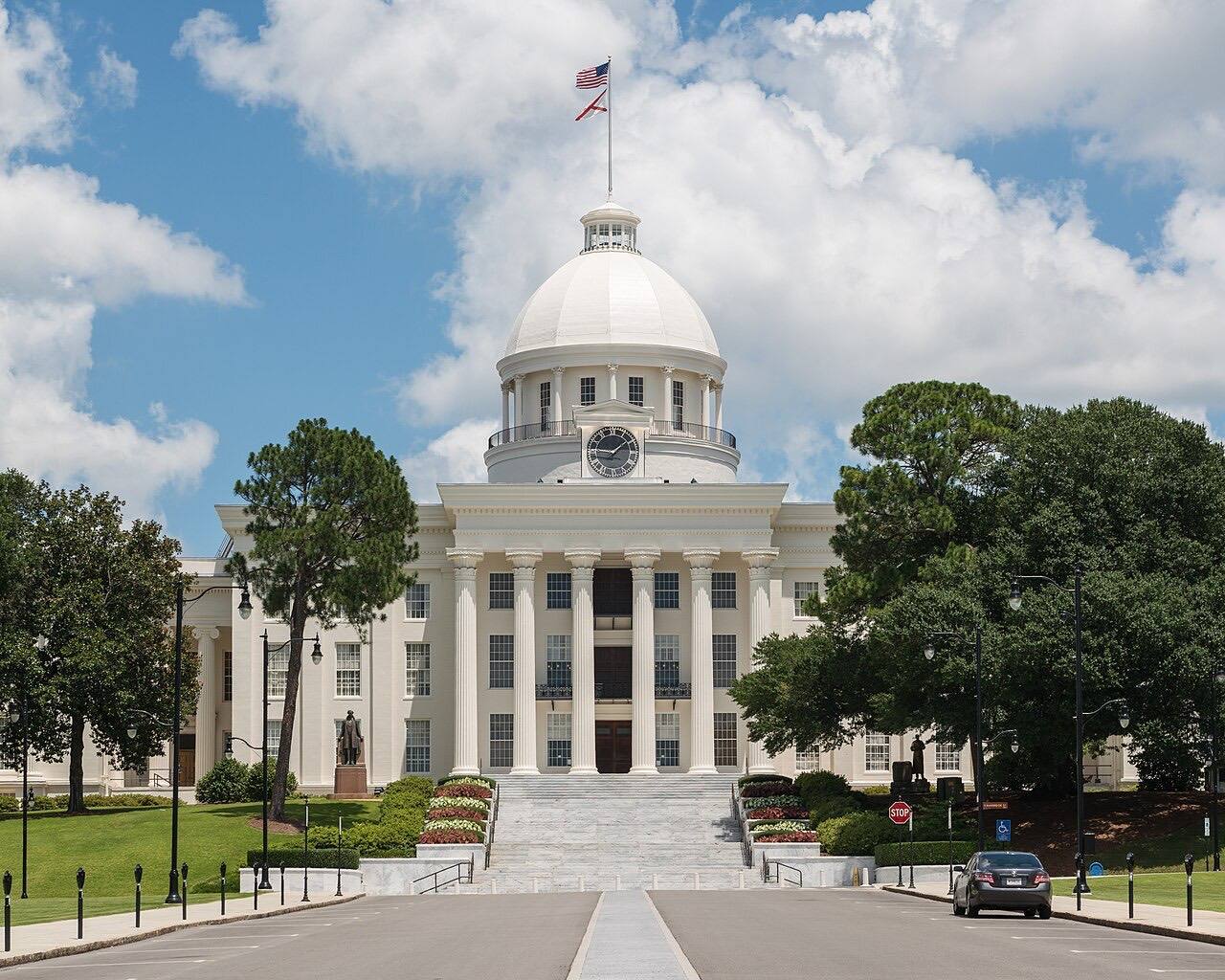
The Filibuster's Historical Context
The filibuster, a parliamentary procedure enabling a minority to extend debate and delay or block legislative action, has been a staple of American politics for decades. While its defenders argue that it protects the rights of the minority, critics contend that it has become a weapon of obstructionism, stifling essential legislation. Recent events have intensified this debate, particularly as Democrats push for significant reforms in healthcare and financial regulations.
Numbers and the Narrative
Proponents of reform often cite the increasing frequency of filibusters as evidence of the practice's perversion. According to the Congressional Research Service, the use of the filibuster has surged in recent years, with a record number of cloture votes in 2009. Democrats argue that this trend demonstrates a breakdown of bipartisan cooperation, while Republicans insist that the filibuster serves as a vital check on government overreach.
"The filibuster was never intended to be a tool for endless obstruction, yet here we are." - Democratic Senator
On the other hand, Republicans emphasize that the rise in filibuster usage is a natural response to a Democratic majority that they believe is ignoring the concerns of the American public. They argue that the filibuster is not an obstructionist tool but rather a necessary means of ensuring that legislation is thoroughly vetted and considered. The GOP is keen to paint the Democrats as power-hungry, attempting to dismantle a time-honored tradition simply to push through their agenda.
Voices from Both Sides
As the rhetoric escalates, it's evident that both sides are guilty of exaggeration. Some Democrats have claimed that the current environment is unprecedented, citing how past majorities, including their own in the early 2000s, used the filibuster far less frequently. However, a closer look reveals that the filibuster's usage has ebbed and flowed with the political climate, and the current spike may not be as alarming as it appears.
Conversely, Republicans are quick to point out that Democrats used filibusters to block Republican initiatives during the Bush administration. They argue that the Democrats' current outcry is hypocritical and self-serving. This back-and-forth only serves to muddy the waters further, creating an environment where productive discourse is drowned out by partisan squabbling.

Seeking a Compromise
Amidst this chaos, there is a growing call for reform that transcends party lines. Some legislators are advocating for a compromise that would lower the threshold for invoking cloture without abolishing the filibuster altogether. This approach seeks to preserve the filibuster's original intent while enabling a more functional Senate that can respond to pressing issues facing the nation.
Looking Ahead
The filibuster fight is emblematic of a broader struggle in American politics, where extreme partisanship threatens to paralyze governance. Both parties must recognize that their short-term strategies may have long-term consequences for the legislative process. As the nation grapples with significant challenges - from healthcare reform to economic recovery - the need for a functional and cooperative Senate has never been more pressing.
Ultimately, the question remains: can our political leaders rise above their excesses and find common ground, or will the filibuster remain a tool for division? It is crucial for both sides to engage in honest dialogue rather than relying on hyperbolic claims that only serve to deepen the divide.
✦ ✦ ✦