From the file. Written for the paper dated June 2010. Opened in the public stacks July 14, 2026.
As the debate over immigration continues to intensify, the mechanics of border policy are under scrutiny more than ever. This week, The Nation delves into the numbers behind the contentious issue, aiming to clarify what they actually indicate about our border policies in June 2010.
Understanding the Numbers
The ongoing discourse around border security and immigration reform often gets lost in hyperbole. Politicians from both sides of the aisle wield statistics like weapons, each side spinning data to fit their narrative. On one hand, we have right-wing advocates arguing for tougher laws and increased funding for border enforcement, citing rising crime rates and national security threats. On the other, the left emphasizes humanitarian concerns and points to the contributions immigrants make to our economy. Both perspectives can find "facts" to support their arguments, creating a convoluted landscape that obscures the truth.
"When both sides of the aisle use numbers selectively, the public is left to sift through a fog of misinformation."
The Reality of Border Enforcement
In recent months, reports indicate a surge in border enforcement measures, with federal funding for border security reaching unprecedented levels. The Department of Homeland Security states that it has increased its budget for border security by over 20 percent this fiscal year. Yet, as reports reveal, the actual number of apprehensions at the border has not seen a corresponding increase. This raises a fundamental question: are we truly more secure, or are we simply spending more without clear results?
Political Posturing vs. Policy
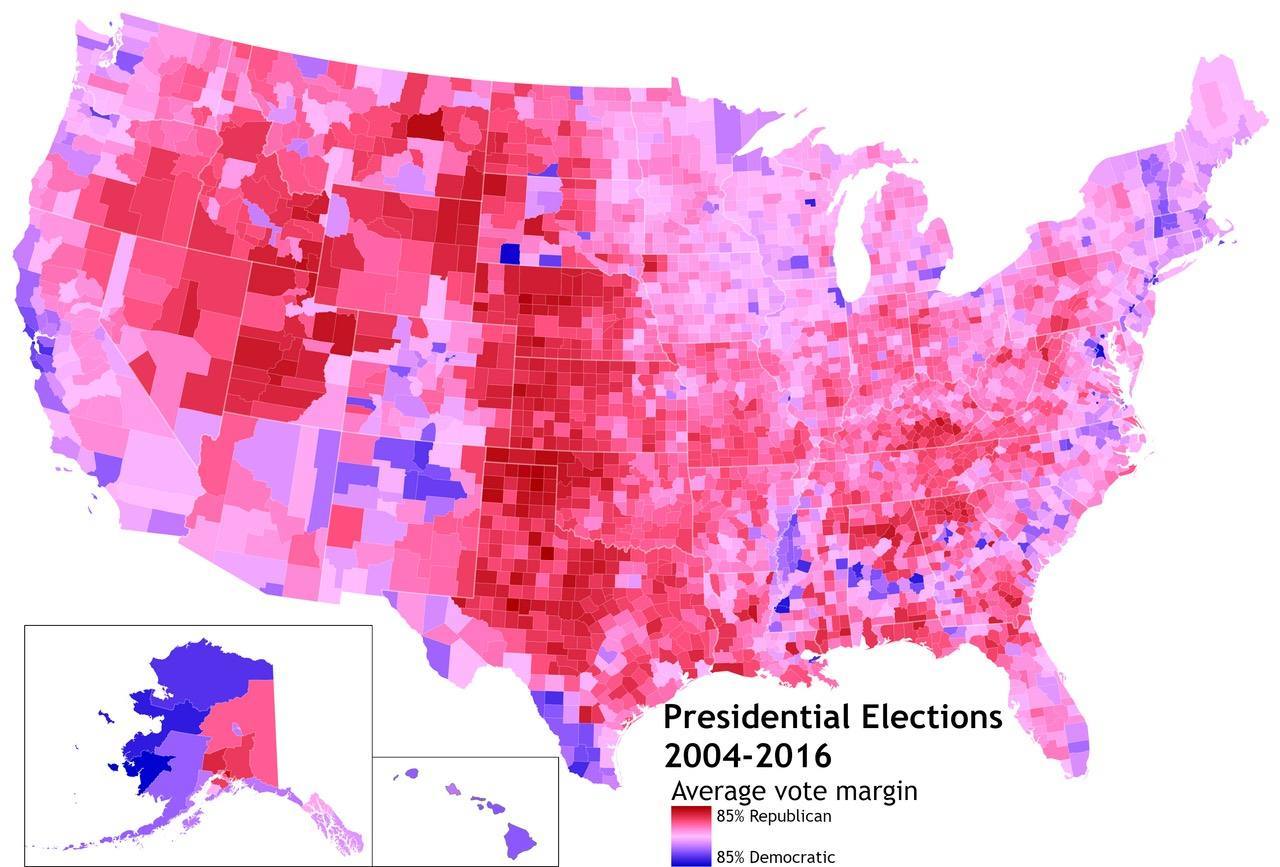
What is particularly disconcerting is how both sides have chosen to politicize border policy rather than engage in constructive dialogue. The right seems to prioritize punitive measures, such as Arizona's controversial SB 1070 law, which many argue encourages racial profiling and erodes civil liberties. Meanwhile, the left's response has often been to focus on comprehensive immigration reform, which, while important, can feel like a distant goal amidst the immediate concerns of border security.
This polarization results in a stalemate, where neither side is willing to acknowledge the other’s valid points. The right fears that acknowledging any positive aspect of immigration could undermine their calls for stricter enforcement. The left, in turn, is wary of appearing weak on security, fearing backlash from constituents who prioritize safety.
What the Public Wants
Polling data suggests that the American public is more nuanced in its views than politicians may believe. A significant portion of voters supports a balanced approach that includes both security measures and pathways to citizenship for undocumented immigrants. Yet, this sentiment is often overshadowed by the loudest voices in the debate. The challenge lies in translating public opinion into actionable policy that addresses both security concerns and humanitarian needs.
"Public sentiment often calls for balance, yet political extremes drown out the moderate voices."
Conclusion
As we move into the summer of 2010, it is crucial that both sides of the political spectrum take a step back from their respective narratives and consider the actual numbers and their implications. The mechanics of border policy should not be a battleground for political posturing but rather a complex issue that requires thoughtful and comprehensive solutions. If we wish to arrive at a more effective border policy, we must first agree on the facts - and then work collaboratively to craft a policy that reflects the best interests of our nation.
✦ ✦ ✦