From the file. Written for the paper dated May 2010. Opened in the public stacks July 14, 2026.
As the debate surrounding steel tariffs intensifies, the landscape of American manufacturing is witnessing a surge in clarity and certainty, driving brisk sales and a renewed sense of optimism among industry stakeholders.

The Landscape of Steel Tariffs
The ongoing discussions about imposing tariffs on imported steel have become a focal point in American commerce, igniting both fervent support and staunch opposition from various sectors. Proponents argue that these tariffs are essential for protecting domestic industries and securing American jobs, while critics claim that they may lead to increased prices and retaliatory measures from other nations.

In the wake of this heated debate, many manufacturers are experiencing a positive shift. The uncertainty surrounding trade policies has historically clouded the steel market, but the potential implementation of tariffs has created a clearer picture. With a set framework for pricing and competition, manufacturers are now able to plan and make informed decisions about their operations.
Brisk Sales Amidst Uncertainty
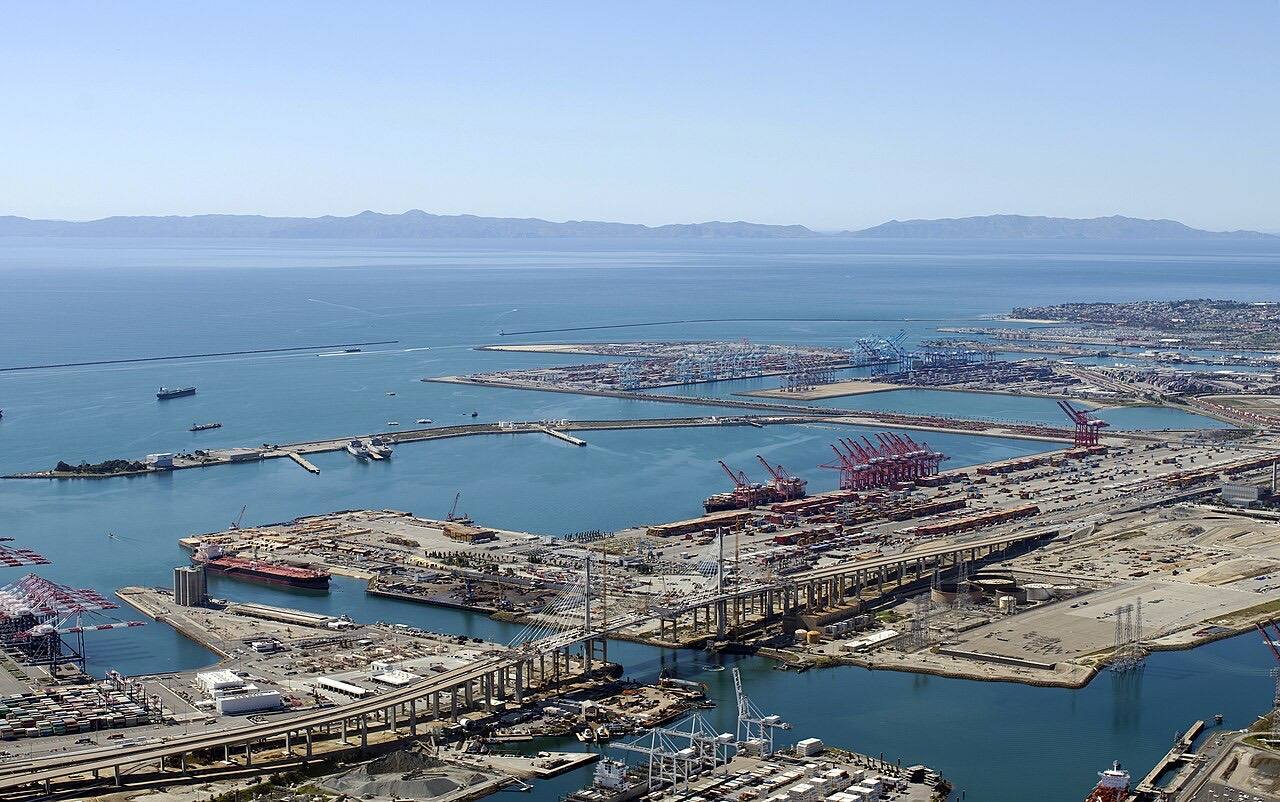
With the prospect of tariffs on the horizon, many American steel producers are reporting brisk sales. The clarity brought about by these discussions allows companies to anticipate future market conditions better. For instance, companies like U.S. Steel and Nucor are ramping up production and hiring efforts, anticipating that the tariffs will level the playing field against foreign competitors who benefit from lower production costs.

“In a market where everything seems uncertain, we finally have something to work with,” says a spokesperson for a large manufacturing firm in Ohio. “The certainty the tariffs provide means we can plan for the future and invest in our workforce.” This sentiment resonates across various sectors, as firms are eager to capitalize on this newfound clarity.
“The certainty the tariffs provide means we can plan for the future and invest in our workforce.”
The Case Against Tariffs
However, the debate is not without its dissenters. Critics of the proposed tariffs argue that they could provoke retaliatory measures from other countries, leading to an overall increase in costs for consumers. The fear is that while some steel jobs may be saved, the long-term impact could be detrimental to the broader economy. “We risk a trade war that could hurt American consumers,” warns an economist from a leading think tank. “In the end, it might not be worth it.”
Moreover, sectors that rely on steel as a primary input, such as construction and automotive, are voicing their concerns over potential price hikes. The specter of increased costs could trickle down to consumers, impacting everything from home building to car prices. “We need to find a balance that protects jobs without hurting the consumer,” says a representative from the construction industry.
The Political Landscape
The political implications of the steel tariff discussions cannot be overlooked. Both sides of the aisle are leveraging this issue to rally their bases, with Democrats generally advocating for protective measures to ensure American jobs are prioritized. On the other hand, many Republicans are emphasizing free trade and the potential economic fallout from imposing tariffs. This division highlights a growing rift in American politics regarding the best approach to trade and manufacturing.
This polarization is evident in the rhetoric used by political leaders. Some argue that protective measures are essential for national security, while others advocate for a more open market that encourages competition. As the political landscape shifts, it is clear that the outcomes of these discussions will have lasting implications for American manufacturing and trade policy.
A Call for Balanced Solutions
As we navigate through this contentious issue, it is essential to seek balanced solutions that consider the multifaceted impacts of steel tariffs. While protecting domestic jobs is crucial, it is equally important to ensure that consumers are not left to bear the brunt of increased prices. Finding a middle ground that fosters growth and competition without resorting to protectionist measures will be a significant challenge for policymakers in the coming months.
As the debate continues, one thing remains clear: the steel tariffs issue is not just about metal and trade; it is about the livelihoods of American workers and the future of the economy. The stakes are high, and the time for thoughtful, measured discourse is now.
✦ ✦ ✦