From the file. Written for the paper dated May 2010. Opened in the public stacks July 14, 2026.
The recent public lab open house showcased a growing trend towards certainty in science, fostering a culture that both captivates the public and stirs debate among skeptics.
Certainty in Science: A Double-Edged Sword
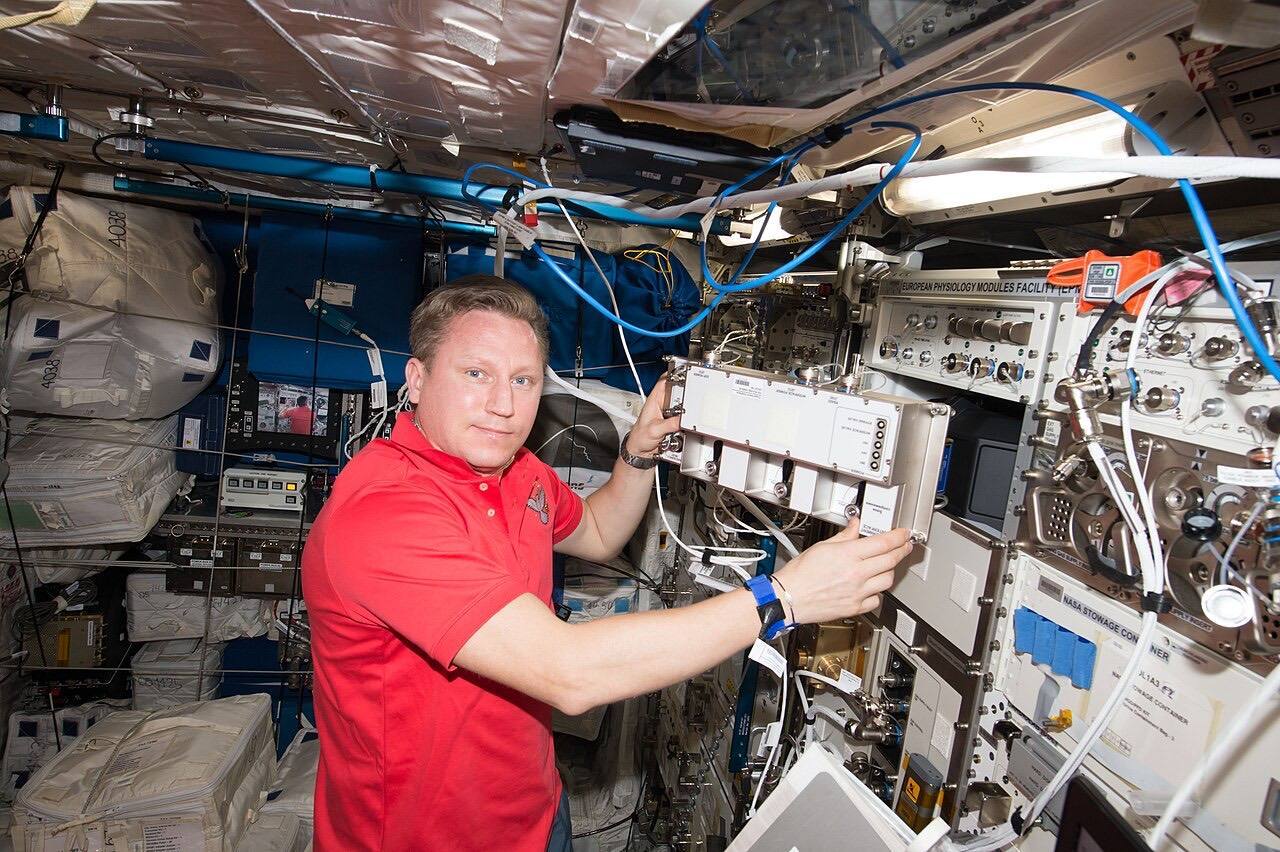
The open house at the local public lab attracted a diverse crowd, from curious families to seasoned scientists. The event, which aimed to demystify the workings of scientific research, featured interactive exhibits and presentations on various projects including climate change studies and renewable energy technologies. However, beneath the enthusiastic displays lies a more troubling trend: the allure of certainty in an increasingly complex scientific landscape.
As scientists presented their findings with unwavering confidence, one could sense the palpable desire for simple answers in a world rife with ambiguity. This phenomenon is not limited to the scientific community; it is emblematic of a broader cultural shift where certainty is not just desired but marketed. From political discourse to everyday conversations, the appetite for black-and-white answers is on the rise.

"In an age of information overload, people are drawn to the comfort of certainty, even if it means overlooking nuances."
Critics argue that this demand for certainty can lead to oversimplification of complex issues. In the realm of climate science, for instance, the public is often presented with stark dichotomies: climate change is either a hoax or an imminent disaster. Such polarizing narratives not only stifle productive dialogue but also alienate those who might fall in between. The lab's open house, while well-intentioned, seemed to inadvertently contribute to this trend by emphasizing conclusions over processes.
Marketing Certainty: A Trend on Both Sides
On the political front, the same craving for clarity can be seen echoing through the rhetoric of both major parties. While the left often champions the cause of science with an air of moral superiority, it can sometimes fall into the trap of presenting its views as unequivocal truths. This was evident during the open house, where some representatives from environmental organizations touted their findings as indisputable, disregarding legitimate counterarguments.
Conversely, the right has its own brand of certainty, often dismissing scientific findings that do not align with their ideological views. The irony is that while both sides seek to assert their version of the truth, they are simultaneously fostering a climate of skepticism towards the scientific community. This has resulted in a fractured public discourse where science is weaponized as a political tool rather than a collaborative pursuit of knowledge.

The Role of Education in Fostering Nuance
As we navigate this landscape, the role of education emerges as a crucial factor in fostering a more nuanced understanding of science. Public institutions, like the lab in question, have the potential to lead the charge in promoting scientific literacy. By emphasizing critical thinking and the complexity of scientific inquiry, they can help counteract the seductive but dangerous allure of certainty.
The open house did feature opportunities for attendees to engage with scientists and ask questions, but the overall atmosphere felt more focused on selling ideas rather than cultivating curiosity. Encouraging attendees to grapple with uncertainty and the scientific method could serve as a powerful antidote to the current climate of simplification. This approach not only benefits the public but also reinforces the integrity of the scientific community.
Conclusion: Navigating the Certainty Trap
In conclusion, the public lab open house serves as a microcosm of the larger societal tendency towards the pursuit of certainty. While the desire for clear answers is understandable, it is imperative that we resist the urge to oversimplify complex scientific issues. Both sides of the political spectrum must recognize that science is an evolving process, characterized by inquiry and debate, rather than a collection of irrefutable facts.
As we continue to explore the boundaries of knowledge, let us strive for a culture that values questions as much as answers, fostering an environment where science and society can thrive in tandem.
✦ ✦ ✦