From the file. Written for the paper dated May 2010. Opened in the public stacks July 14, 2026.
In an age where rhetoric reigns supreme, the battle between certainty and ambiguity has never been more pronounced. As we navigate the turbulent waters of political discourse in May 2010, it is essential to examine the allure of certainty and the consequences it brings to the table.

The Allure of Certainty
Certainty is a currency that politicians, pundits, and even everyday citizens are trading in more than ever. As the nation grapples with pressing issues like healthcare reform, the economic crisis, and foreign policy challenges, a clear, unwavering voice can feel like a siren song. The promise of straightforward solutions often overshadows the intricate realities that require nuanced understanding and careful deliberation.
On the left, we see a tendency to embrace bold, sweeping statements about social justice and transformative policies. While their intentions may be grounded in a desire to create a fairer society, the insistence on absolute certainty can lead to dogmatic approaches that overlook the complexity of human experience. The call for universal healthcare, for instance, is accompanied by an implicit belief that this single solution will resolve myriad health issues. In doing so, it risks alienating those who seek a more balanced discourse that acknowledges the many shades of gray in healthcare reform.
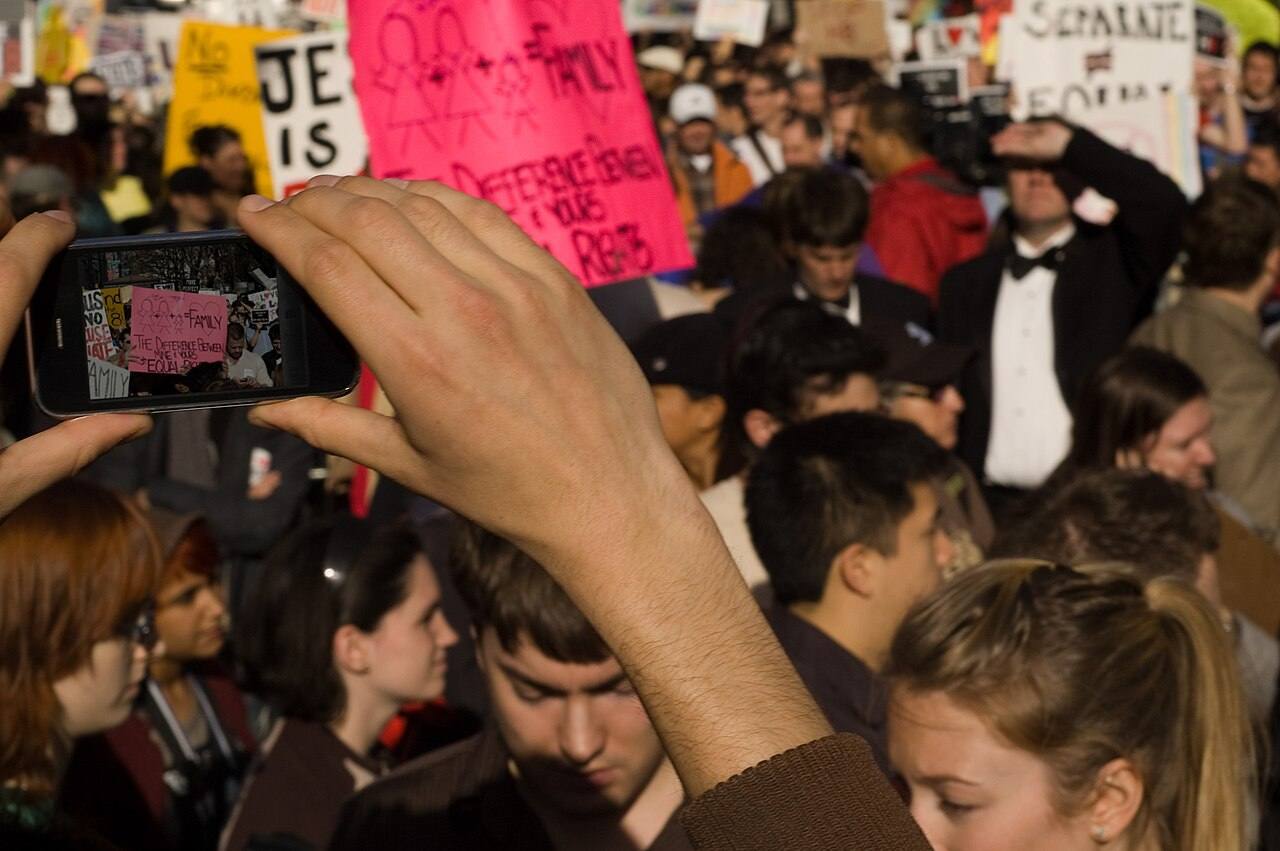
Conversely, the right has leaned heavily into its own brand of certainty, often wrapped in nationalistic fervor and a belief in individualism. Rhetoric surrounding tax cuts, deregulation, and limited government is delivered with an unyielding assurance that these measures will lead to prosperity for all. However, such certainty can easily become a mask for ignoring the detrimental consequences of unfettered capitalism. The financial crisis, which continues to affect many Americans, serves as a stark reminder that simplistic solutions do not always lead to the outcomes promised.
"The battle between certainty and ambiguity has never been more pronounced."
The Dangers of Certainty
Certainty, while appealing, can breed division and polarization. When one side confidently asserts that their way is the only way forward, dialogue becomes nearly impossible. The left and right have become entrenched in their respective positions, often dismissing the validity of opposing viewpoints. This refusal to engage with complexity not only stifles productive conversation but also fuels a cycle of misunderstanding and hostility.
Moreover, this dichotomy fosters an environment ripe for demagoguery. Charismatic leaders who present themselves as the harbingers of truth can easily capture the public's imagination by offering clear, uncomplicated answers to complex problems. Unfortunately, this often leads to oversimplification and manipulation, where the truth becomes a casualty in the chase for votes and power. The rise of populist figures on both sides of the aisle serves as a testament to the dangers of such rhetoric.
Seeking a Middle Ground
In this climate, it is vital for citizens and leaders alike to seek a middle ground rooted in honesty and integrity. Acknowledging the complexities inherent in political discourse does not equate to a lack of conviction; rather, it demonstrates a commitment to understanding the multifaceted nature of the issues at hand. Embracing uncertainty can foster a more inclusive dialogue, one that invites diverse perspectives and encourages collaboration rather than division.
One way to recalibrate our collective approach is to prioritize empathy in our political conversations. By actively listening to differing viewpoints and striving to understand the underlying motivations and fears that drive them, we can foster a culture of respect and open-mindedness. This, in turn, can lead to more robust and effective solutions that truly address the needs of our communities.
As we move forward, it is crucial for both sides of the political spectrum to reconsider their approach to rhetoric. Certainty may sell briskly, but it is the nuanced, honest discourse that will ultimately lead to informed decision-making and progress. Embracing complexity does not weaken a position; it strengthens our collective ability to navigate the challenges we face as a nation.
✦ ✦ ✦