From the file. Written for the paper dated May 2010. Opened in the public stacks July 14, 2026.
In the current political landscape, the filibuster has become a focal point of contention, revealing deep divides not just between parties but within them. As the debate rages on, certainty and conviction seem to be selling briskly among lawmakers and pundits alike.
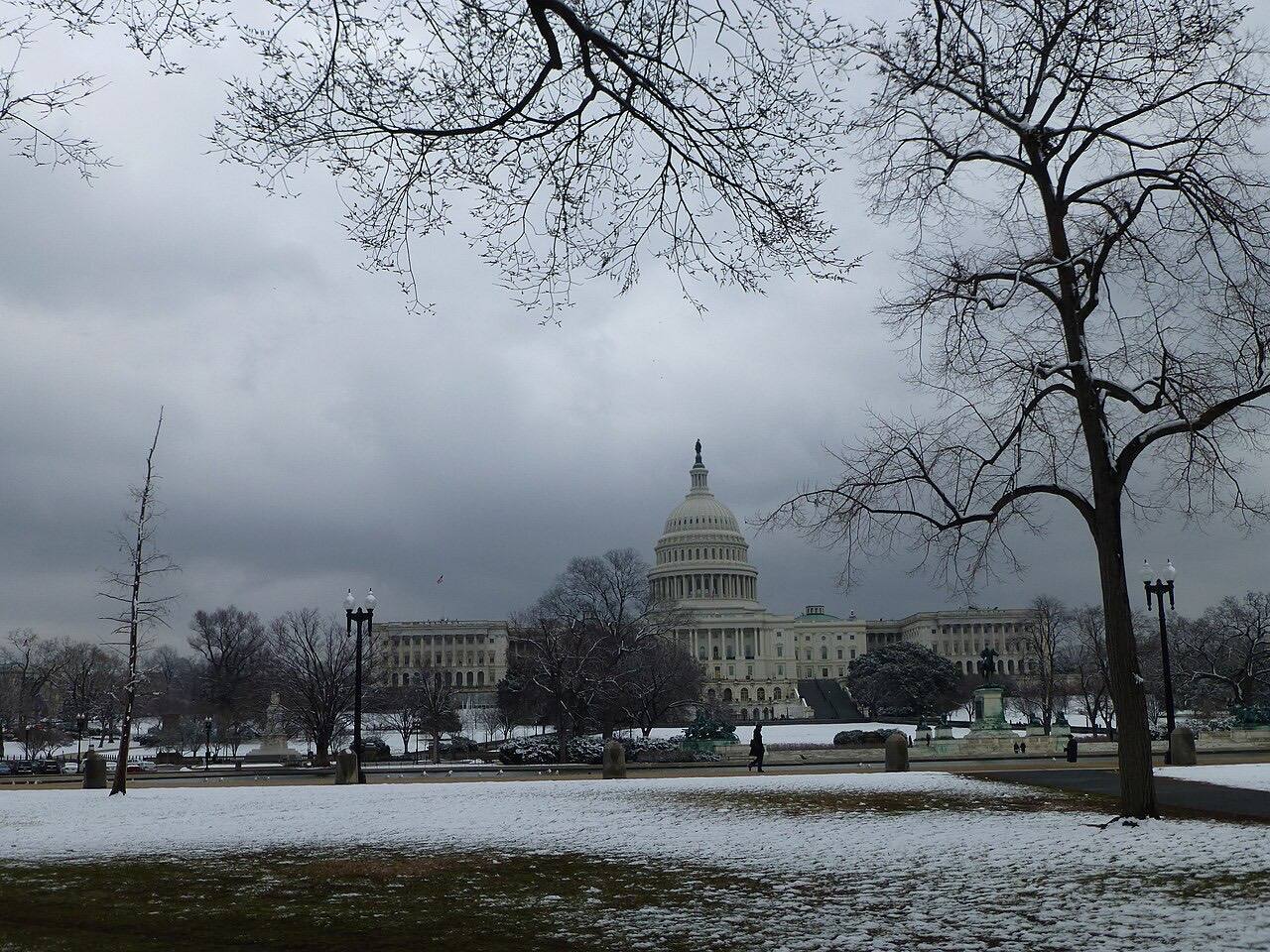
The Filibuster Dilemma
The filibuster, a legislative tactic allowing a minority to prolong debate and delay or block a vote, has been at the heart of numerous political discussions recently. As Democrats push for sweeping reforms in areas such as healthcare and financial regulation, the Republican minority has threatened to use the filibuster to stall or derail these initiatives. This has led to calls from some Democrats to abolish or reform the filibuster altogether, arguing that it is an archaic tool that hinders progress.
On the other side of the aisle, Republicans argue that the filibuster is essential for protecting minority rights in a system that can often feel dominated by a single party. This situation has created a paradox: while both sides claim to champion democracy and the will of the people, they seem increasingly entrenched in their positions, unwilling to compromise or find common ground.

"The filibuster is a necessary tool for the minority, but its excessive use is a threat to democracy itself."
Certainty in Uncertain Times
In times of uncertainty, such as the present economic climate, having a clear stance can be comforting to constituents. Politicians from both parties have seized on this, promoting their perspectives with unwavering certainty. For Democrats, the narrative is one of progress and reform; for Republicans, it is about defending traditional values and resisting what they perceive as an overreach of government power.
However, this certainty can often obscure the complexities of governance. The reality is that both sides have valid points, yet the unwillingness to engage in meaningful dialogue only exacerbates the gridlock in Congress. Some Democrats have embraced a more authoritarian approach to the legislative process, believing that brute force can push through much-needed reforms. Conversely, Republicans have become increasingly rigid in their opposition, often prioritizing party loyalty over pragmatic solutions.
Excesses of Certainty
The excesses of certainty can be detrimental, leading to an environment where compromise becomes a dirty word. The current political climate is rife with hyperbole and extreme rhetoric. Democrats proclaim that the filibuster is responsible for all that ails the nation, while Republicans defend it as a sacred principle that must not be tampered with. This binary perspective not only oversimplifies the issue but also undermines the possibility of a reasoned debate.
As the debate over the filibuster unfolds, both sides would do well to remember that effective governance often requires nuance and flexibility. The challenge remains: how can lawmakers balance the need for decisive action with the respect for minority rights? The answer may lie not in abolishing the filibuster but in reforming its use, ensuring that it serves its intended purpose without becoming a tool for obstruction.
Finding Middle Ground
It is crucial for both parties to recognize that a functioning democracy relies on the ability to compromise. The filibuster, if used judiciously, can foster a more deliberate legislative process, allowing for thorough debate and consideration of diverse viewpoints. However, when wielded as a weapon of mass obstruction, it undermines the very principles it was designed to protect.
As we move forward, it is essential for lawmakers to re-evaluate their strategies and consider reforms that could mitigate the divisiveness surrounding the filibuster. This might include implementing time limits on filibusters or requiring a certain percentage of support to initiate one, thus fostering a more collaborative atmosphere.
✦ ✦ ✦