From the file. Written for the paper dated March 2010. Opened in the public stacks July 14, 2026.
As we navigate through 2010, the specter of Main Street bankruptcies looms large, casting a shadow over the American economy. A closer examination reveals a disconcerting truth: the quiet failure of oversight that has allowed these businesses to falter.
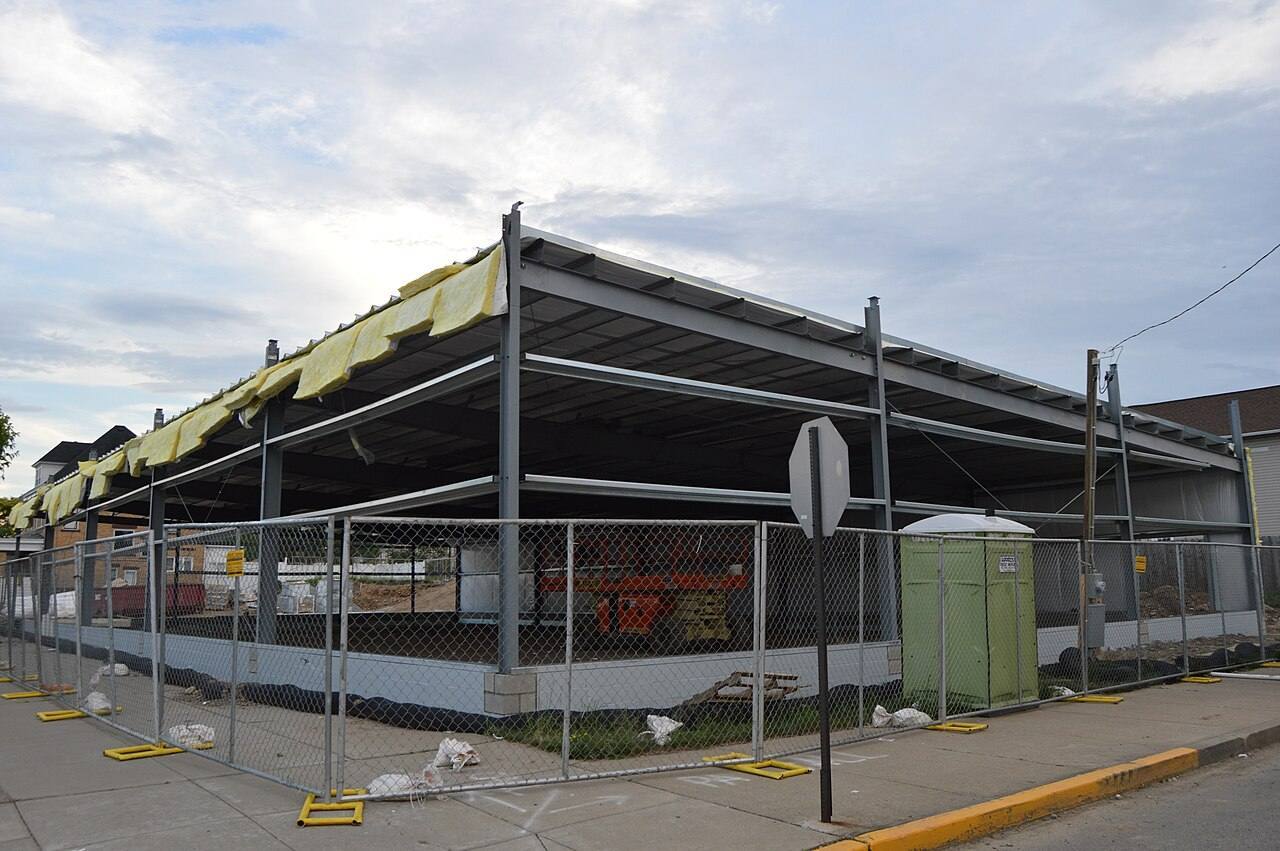
The State of Main Street
According to recent reports, Main Street businesses are facing unprecedented challenges. The economic recovery following the financial crisis is sluggish, and many small businesses find themselves unable to adapt to the new economic reality. With rising costs and shrinking consumer spending, this has become a perfect storm for thousands of establishments nationwide.
In the wake of the crisis, many policymakers have focused their attention on large financial institutions, believing that stabilizing Wall Street would lead to a trickle-down effect benefitting Main Street. However, as the data shows, this strategy has fallen short. The lack of support for small businesses - often seen as the backbone of the economy - has been a significant oversight in policy discussions.
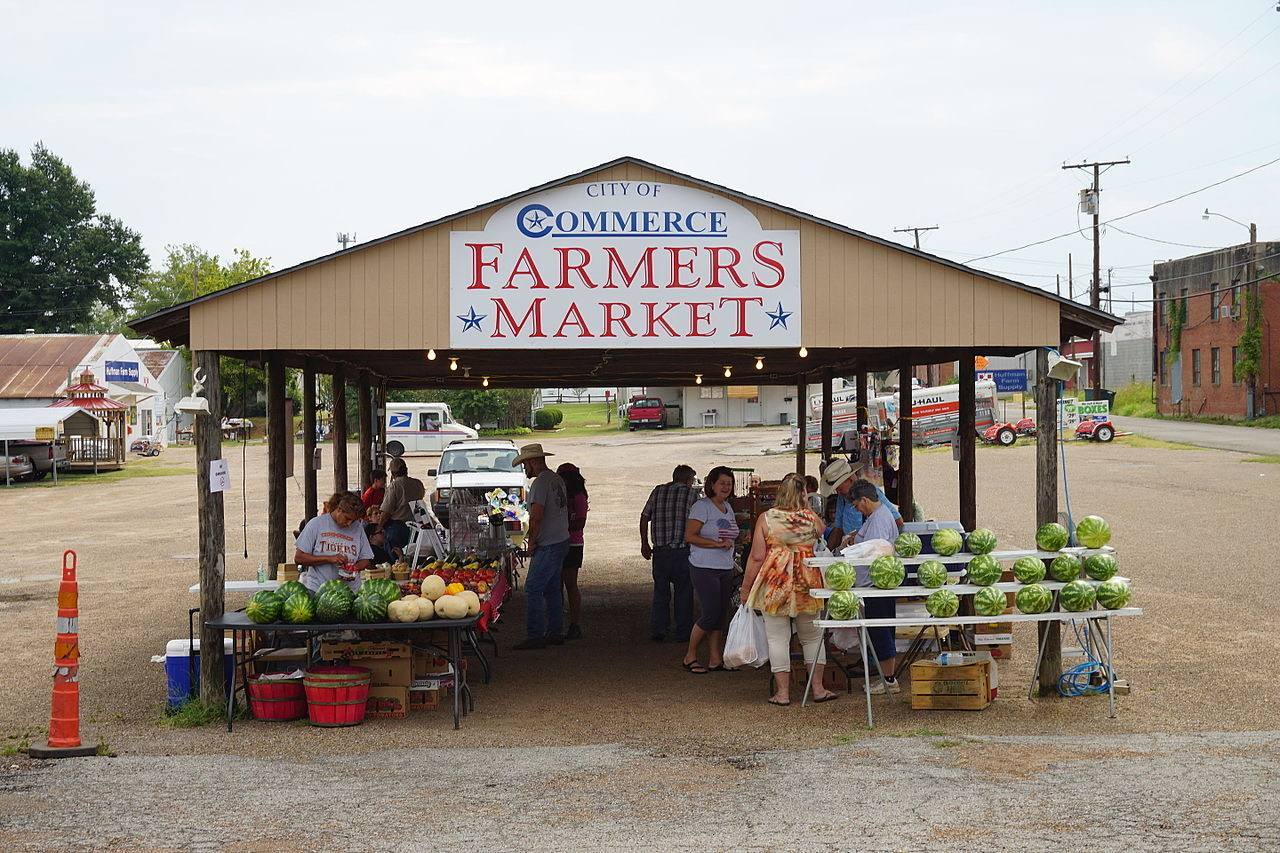
Bankruptcy Rates on the Rise
Recent statistics reveal a worrying trend: bankruptcy filings among small businesses have surged. Many entrepreneurs who once held dreams of success now find themselves facing insurmountable debt and dwindling customer bases. This surge in bankruptcies can be traced back to a combination of factors, including inadequate access to credit, rising operational costs, and a lack of robust consumer demand.
"The focus on large banks has left small businesses to fend for themselves in an increasingly hostile economic environment."
While the government has taken steps to address the larger financial institutions, the same cannot be said for small businesses. The lack of targeted relief measures has created an environment where many local shops and services are forced to close their doors, often for good. This is not just an economic issue; it affects communities and the livelihoods of countless individuals.
The Left's Response
On the left, there is a growing chorus calling for more government intervention, advocating for increased regulations on large corporations and financial institutions. While it is essential to ensure that Wall Street is held accountable, the focus should not obscure the needs of Main Street. Excessive regulation can stifle innovation and growth, especially for small businesses that are already struggling to survive.
Moreover, the push for a public option in healthcare, while noble in intention, may inadvertently lead to increased costs for small enterprises. Many small business owners are concerned about the potential financial burden of new regulations that may accompany such policies. Rather than empowering small businesses, an overreaching government approach may instead hinder their ability to thrive.
The Right's Oversight
Conversely, the right's response often leans towards unfettered capitalism, arguing that the market will correct itself without governmental interference. While free-market principles have their merits, this philosophy has its pitfalls, especially when it neglects the very real struggles faced by small business owners. The idea that "survival of the fittest" applies universally ignores the systemic barriers that many entrepreneurs encounter.
Small businesses operate on thin margins, and the recent economic climate has only exacerbated their vulnerabilities. The right's reluctance to provide necessary support, such as targeted financial assistance or loan guarantees, has left many business owners feeling abandoned. This lack of support is a critical oversight that has dire consequences for local economies.
A Call for Balanced Solutions
The ongoing crisis on Main Street calls for a balanced approach that recognizes the essential role of small businesses in the economy. Policymakers must find common ground between the left and right, ensuring that support is directed to those who need it most without creating additional burdens.
It is essential to create a framework that encourages innovation, provides access to credit, and offers the necessary resources for small businesses to adapt and thrive. This includes incentivizing community banks to lend to local enterprises, as well as reevaluating the impact of regulations on small businesses. Only with concerted efforts can we hope to turn the tide on Main Street bankruptcies and ensure that the American dream remains within reach for future generations.
✦ ✦ ✦