From the file. Written for the paper dated February 2010. Opened in the public stacks July 14, 2026.
As the economy continues to grapple with the fallout from the financial crisis, small businesses are finding themselves at the intersection of opportunity and challenge. This week, we take a closer look at the state of small business credit, a crucial lifeline for entrepreneurs striving to keep their ventures afloat.
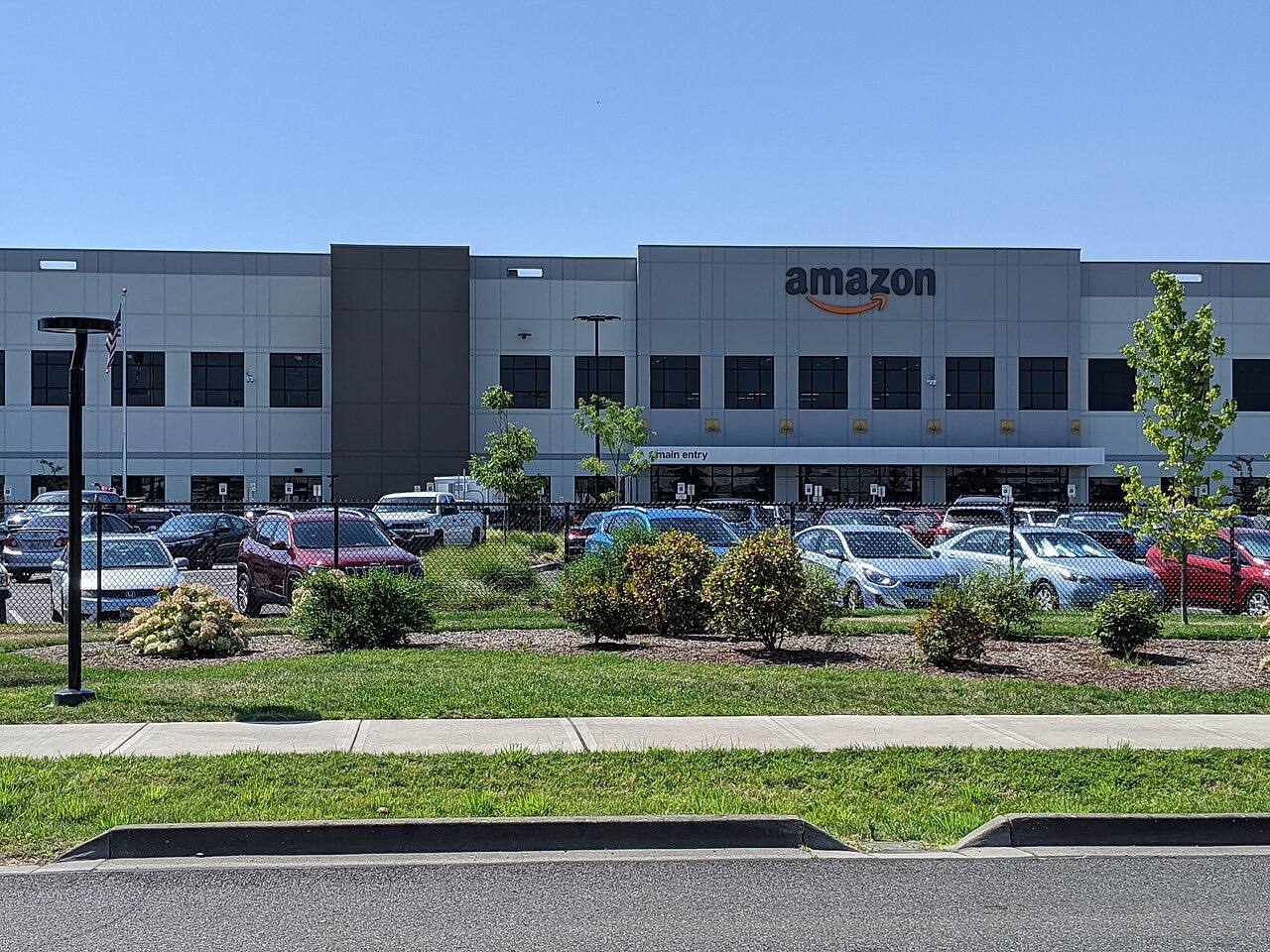
The Credit Dilemma
In the wake of the recession, small business owners are facing significant hurdles when it comes to accessing credit. Banks, still reeling from their own financial missteps, are tightening their lending standards, making it increasingly difficult for smaller enterprises to secure necessary funds. This trend has sparked a debate among policymakers, with some advocating for more stringent regulations on lenders while others warn that overregulation could stifle the very growth that the economy desperately needs.
The left argues that the government must step in to provide support for small businesses through increased access to credit and funding programs. Advocates for this approach contend that small businesses are the backbone of the economy, creating jobs and driving innovation. They call for measures like the extension of the Small Business Administration’s (SBA) loan guarantees and the establishment of new lending programs to shore up funding options for entrepreneurs.

On the other hand, some conservatives caution against expanding government intervention. They argue that the market should dictate lending practices and that excessive government involvement could lead to misallocation of resources. This perspective views the current credit crunch as a necessary market correction that will ultimately lead to a healthier financial landscape.
"Small businesses are the backbone of the economy, yet they face unprecedented challenges in accessing the credit necessary for survival."
Impact on Entrepreneurs
The ramifications of tightening credit are profound. Small business owners are feeling the pressure, with many reporting that they have been denied loans or offered terms that are less favorable than they could have anticipated. A recent survey highlighted that nearly 40 percent of small businesses seeking loans were turned down, a stark contrast to pre-recession lending practices.
This tightening of credit has led to a ripple effect, with small businesses delaying expansion plans, cutting jobs, or in some cases, shutting their doors altogether. The irony is that while big banks have received substantial government bailouts, small businesses remain in the lurch, struggling to secure even modest loans to keep their operations running.
Alternative Funding Sources
As traditional lenders pull back, some small business owners are turning to alternative funding sources. Peer-to-peer lending platforms and community development financial institutions (CDFIs) are gaining traction as viable options for entrepreneurs seeking capital. These alternatives often feature less stringent eligibility criteria and are more willing to take risks on businesses that traditional banks might overlook.
However, these options are not without their challenges. Peer-to-peer lending, while innovative, can come with higher interest rates and fees, which could further strain small business finances. Meanwhile, CDFIs, while more supportive, often have limited reach and capacity to meet the needs of all those seeking assistance.
The Role of Policymakers
The current credit landscape underscores the need for thoughtful policymaking. As the debate rages on, it is essential for lawmakers to strike a balance between regulation and support. Overly restrictive measures could inadvertently hinder access to credit, while a lack of oversight could lead to predatory lending practices that exploit vulnerable businesses.
Many small business advocates are calling for a multi-faceted approach that includes not only easier access to credit but also financial education programs that equip entrepreneurs with the tools to navigate the complex lending landscape. Ensuring that business owners understand their options and obligations can empower them to make informed decisions that support their growth and sustainability.
A Call for Collaboration
As we navigate the complexities of the current economic climate, collaboration between government, financial institutions, and small businesses is more crucial than ever. Policymakers must engage with business owners to understand their needs and challenges, tailoring solutions that foster an environment conducive to growth.
In an era marked by political polarization, it is imperative that both left and right find common ground in supporting small businesses. By prioritizing access to credit, we can create a more resilient economy that thrives on innovation and entrepreneurship.
✦ ✦ ✦