From the file. Written for the paper dated February 2010. Opened in the public stacks July 14, 2026.
This week, the public lab open house provided an intriguing glimpse into the intersection of science and community engagement, revealing both the potential and pitfalls of grassroots scientific exploration.
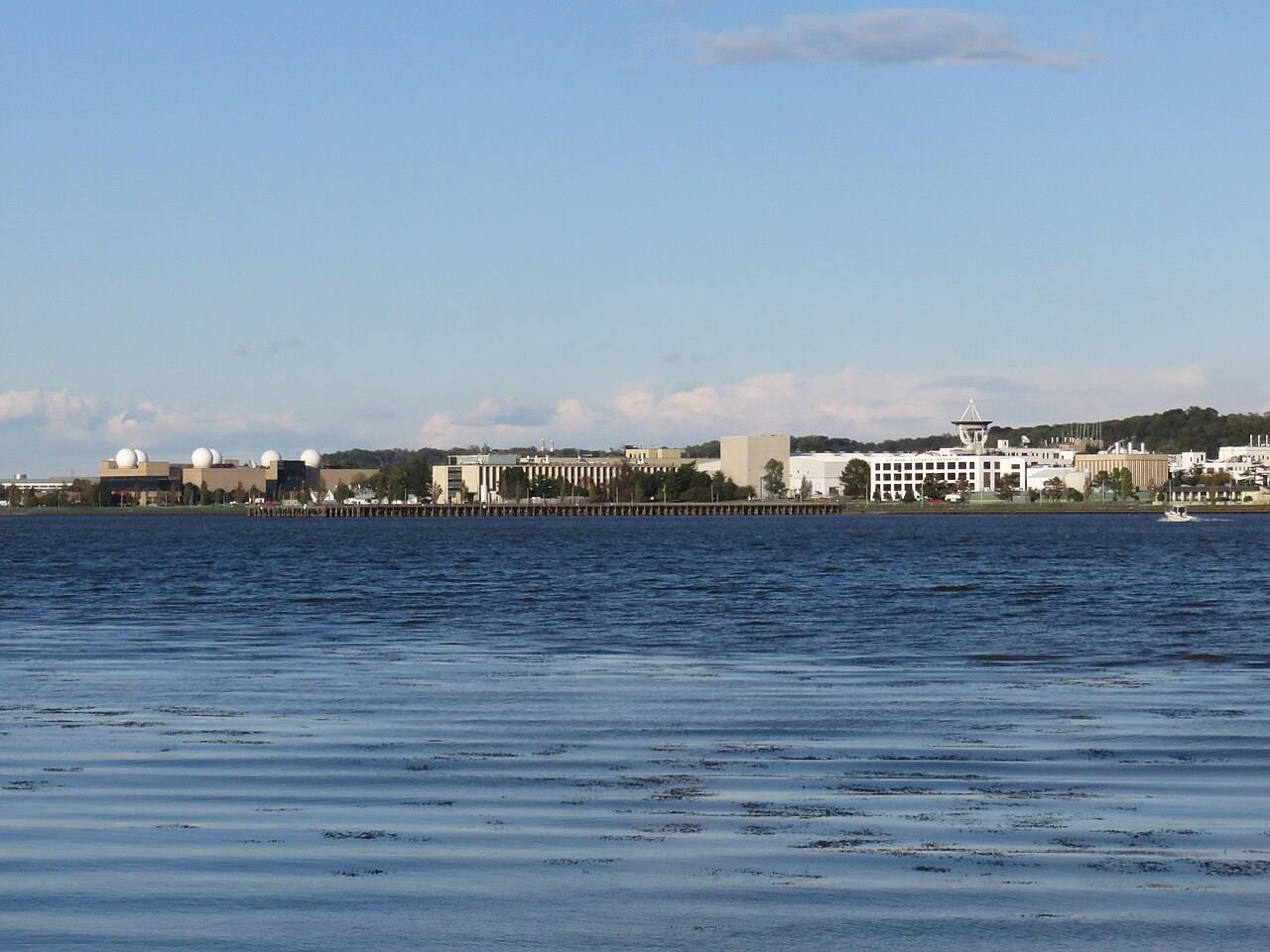
The Open House Experience
The air was electric with excitement as local families, students, and curious adults gathered at the community science lab for the much-anticipated open house. Attendees were treated to a variety of interactive demonstrations showcasing the innovative projects being undertaken by amateur scientists and hobbyists alike. From water quality testing to DIY biofuel production, the lab buzzed with enthusiasm and hands-on learning.
One standout exhibit featured a group of high school students who had taken it upon themselves to monitor the local river’s health. They presented their findings on pollution levels, engaging visitors with their passion for environmental stewardship. Nearby, a retired engineer demonstrated a low-cost solar panel design, emphasizing accessibility in renewable energy technologies.
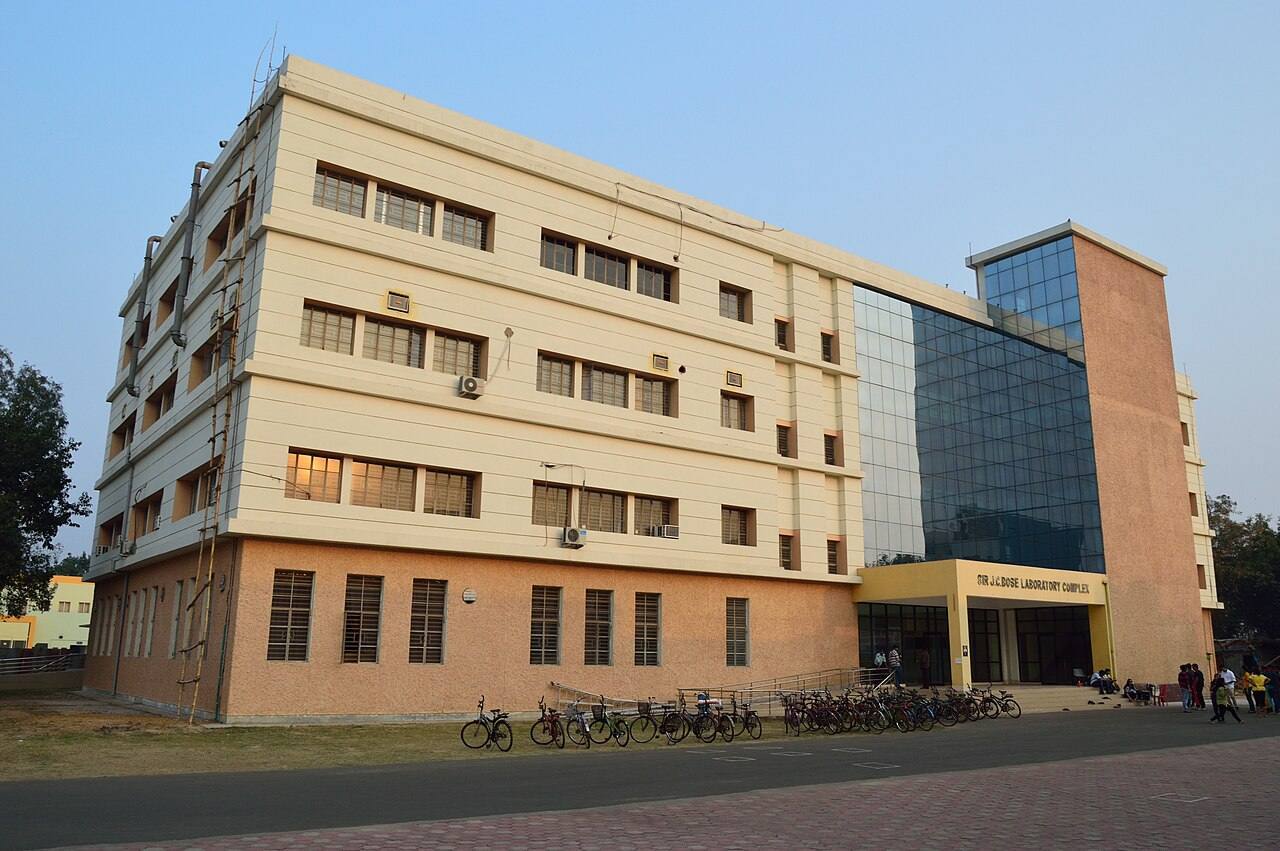
However, as inspiring as these projects may be, they also raise questions about the reliability and validity of data produced outside traditional scientific frameworks. While the spirit of inquiry is commendable, the lack of rigorous oversight can lead to misinformation and misinterpretation. This was a common concern echoed by both attendees and professionals in the field.
The Balancing Act of Science Communication
The open house served as a reminder of the delicate balance between celebrating community science and ensuring the integrity of scientific research. On one side, the left often champions the democratization of knowledge, advocating for open access and citizen engagement in scientific endeavors. This is a noble goal, yet it risks undermining the expertise of trained scientists and leading to a dilution of scientific standards.
Conversely, the right often emphasizes the importance of adhering to established scientific protocols and the need for accountability. While these concerns are valid, an overly rigid adherence to traditional frameworks can stifle innovation and discourage public participation. In this polarized environment, finding common ground is essential for fostering a sustainable scientific community.
"The future of science relies on collaboration between experts and the public, but we must tread carefully to avoid pitfalls."
Public Engagement: Opportunities and Challenges
The open house highlighted the undeniable value of public engagement in science. Many attendees expressed a desire to learn more and become involved in future projects. This enthusiasm is crucial for building a scientifically literate society, yet it also puts pressure on institutions to provide adequate resources and guidance for aspiring citizen scientists.
Moreover, there’s a risk that well-meaning efforts could devolve into sensationalism or pseudoscience if not properly managed. Events like the open house should prioritize education and mentorship, enabling participants to gain the skills necessary to contribute meaningfully to scientific discourse.
Looking Toward the Future
As we reflect on the outcomes of this week’s open house, it is essential to consider how we can foster a culture of responsible scientific inquiry. Collaborative efforts between trained scientists and passionate amateurs can lead to groundbreaking discoveries, but these relationships must be nurtured with transparency and respect for established methodologies.
Furthermore, institutions must commit to equipping the public with the tools and knowledge needed to navigate the complexities of scientific research. This includes not only fostering critical thinking skills but also promoting an understanding of the scientific method and the importance of peer review.
In a time when science is often at the mercy of political agendas, the need for a unified approach to public engagement has never been more pressing. By embracing the spirit of inquiry while maintaining rigorous standards, we can create a more informed and scientifically engaged society.
✦ ✦ ✦