From the file. Written for the paper dated February 2010. Opened in the public stacks July 14, 2026.
In a week marked by both alarming reports and reassuring assessments, the landscape of nuclear plant inspections presents a complex picture of safety and oversight.

Inspection Findings Spark Debate
This past week, various nuclear facilities across the country underwent routine inspections, with findings that have ignited discussion in both the scientific community and the general public. The Nuclear Regulatory Commission (NRC) released a summary of these inspections, highlighting areas of concern while also noting the overall adherence to safety protocols at several plants.
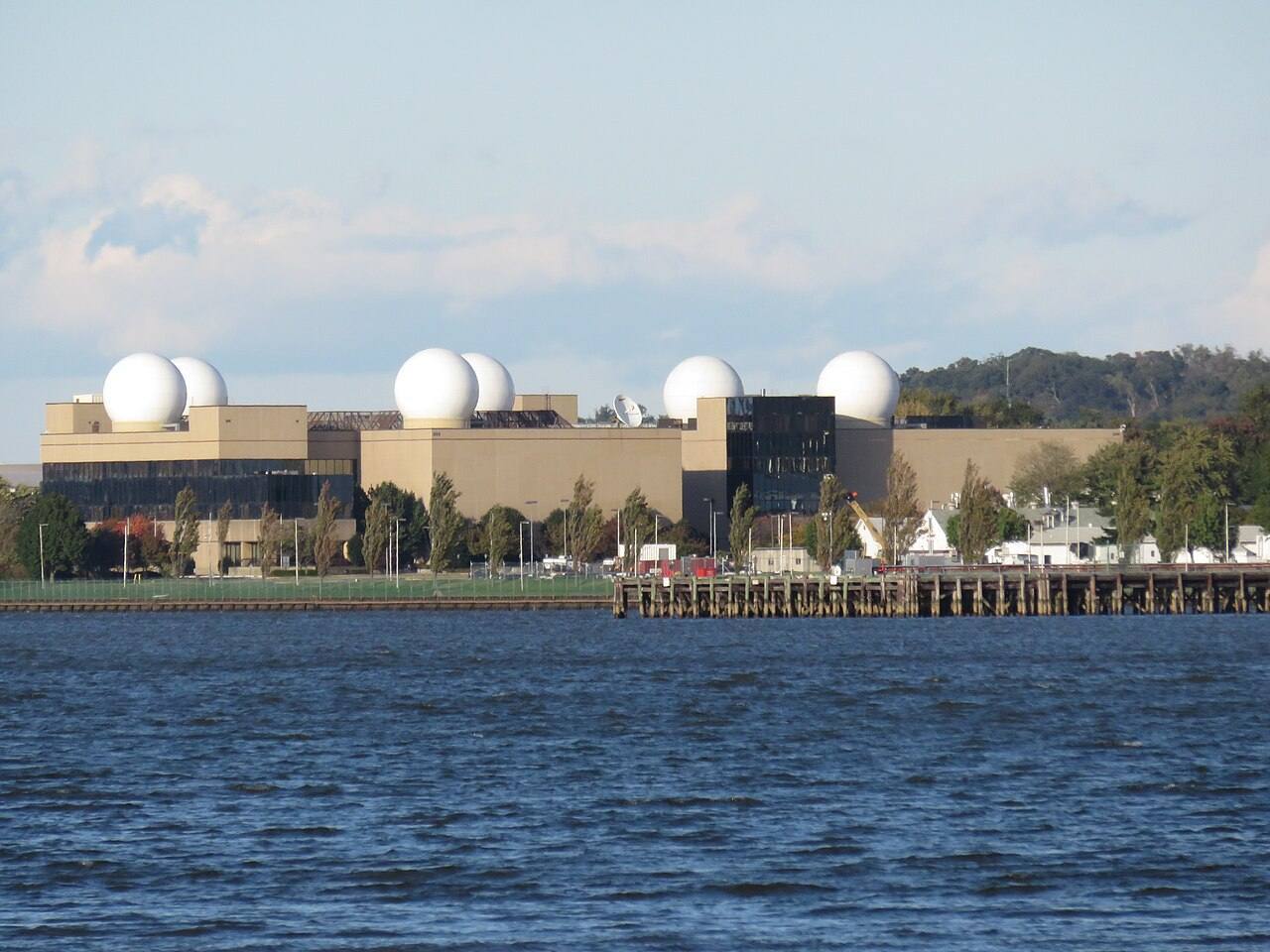
Among the more troubling findings were reports of equipment malfunctions at three facilities, raising questions about aging infrastructure in an industry that has long prided itself on safety. Critics of the nuclear industry voiced their concerns, suggesting that such malfunctions could lead to catastrophic failures if not addressed immediately. On the other hand, proponents of nuclear energy argue that these inspections are a testament to the rigorous safety standards in place and that the findings are merely reflections of an aging fleet of reactors.
"Incidents like these should serve as a wake-up call for regulators and operators alike. Safety cannot be taken for granted." - Nuclear safety advocate
Political Responses: Left and Right
The political response to the NRC's findings has been strikingly polarized. On the left, some lawmakers are calling for renewed scrutiny of the nuclear industry, demanding more stringent regulations and a reevaluation of existing safety measures. They argue that the potential risks associated with nuclear energy are too great to ignore, especially in light of recent findings. This perspective often fosters fear, suggesting that the nuclear industry is inherently dangerous and requires a complete overhaul.
Conversely, many on the right are rallying in defense of nuclear energy, emphasizing its role as a clean and efficient alternative to fossil fuels. They argue that the inspections prove that the industry is self-regulating and that the government should not impose unnecessary restrictions that could stifle innovation and development in this critical sector. However, this stance can sometimes lead to an underestimation of potential risks, as some advocates appear more focused on promoting nuclear energy than on ensuring its safety.
The Middle Ground: A Call for Balance
As we navigate these polarized perspectives, it is crucial to seek a middle ground that addresses safety concerns while also recognizing the importance of nuclear energy in our efforts to combat climate change. A more balanced approach would involve enhancing regulatory frameworks without stifling innovation. This could include investing in modernizing existing plants, implementing advanced safety technologies, and fostering a culture of transparency within the industry.

Furthermore, engaging the public in discussions about nuclear energy and safety can help demystify the technology and alleviate fears surrounding its use. Community forums and public outreach can bridge the gap between scientific findings and public perception, facilitating a more informed dialogue about the future of nuclear energy.
"We need to move beyond fear and embrace informed discussions about nuclear energy's role in our future." - Energy policy expert
Conclusion: A Path Forward
In summary, the recent inspections of nuclear plants have brought to light both achievements and challenges within the industry. While the NRC's findings underscore the importance of rigorous oversight, they also highlight the need for a balanced approach that considers both safety and the benefits of nuclear energy. As we move forward, collaboration between regulators, industry leaders, policymakers, and the public will be essential to ensure that nuclear energy remains a viable component of our energy landscape.
✦ ✦ ✦