From the file. Written for the paper dated November 2009. Opened in the public stacks July 14, 2026.
In a polarized political landscape, the recent intelligence estimate has sparked renewed debate about the role of evidence versus identity in shaping national security policy.
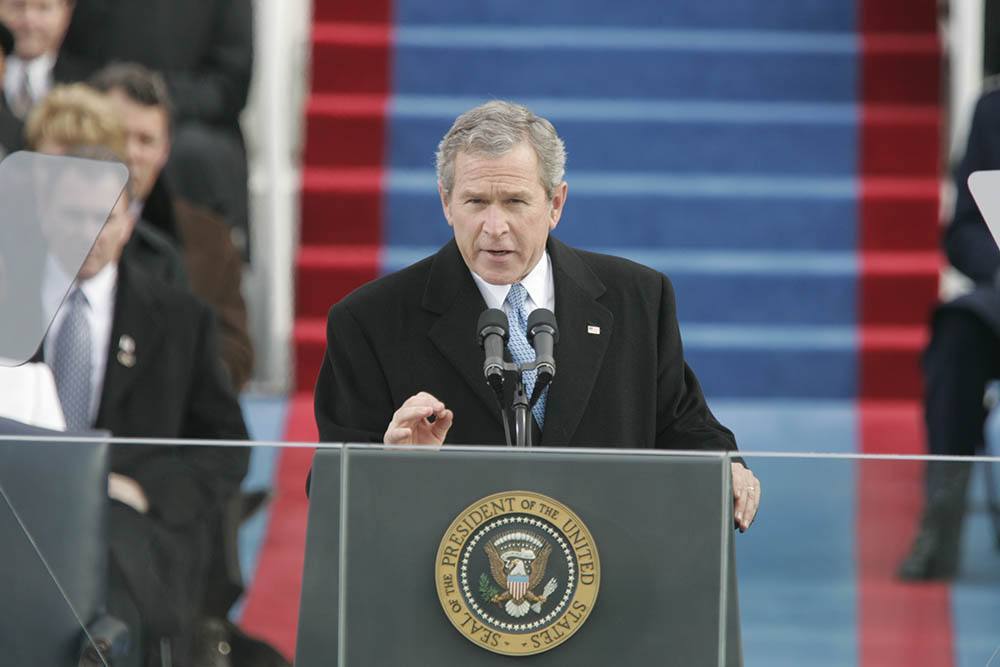
The Crux of the Intelligence Estimate
The intelligence estimate released last week offers a comprehensive overview of the threats facing the United States, particularly in the context of global terrorism and regional instability. It is a document that is supposed to guide policymakers, yet it has instead become a battleground for partisan forces vying for control of the narrative. The challenge lies in reconciling the evidence presented with the political identities that frame how it is interpreted.
On one side, the left has been quick to seize upon the estimate as a validation of their critiques of military intervention and a call for a more diplomatic approach to foreign relations. Progressive commentators are applauding the findings that suggest a need for nuanced engagement rather than unilateral action. They argue that the evidence shows the futility of endless wars and advocate for a strategy that prioritizes soft power and multilateral cooperation.

However, this enthusiasm is not without its excesses. Some on the left risk oversimplifying complex issues, framing every international conflict as a failure of American imperialism. In doing so, they may overlook the genuine threats posed by rogue states and terrorist groups that require a robust response. By adopting a purely ideological lens, they dismiss the very real security concerns that the intelligence estimate seeks to address.
Counterpoints from the Right
Conversely, the right has taken a different tack, using the intelligence estimate to bolster calls for a more aggressive military posture. Conservative commentators are emphasizing the need for a strong, decisive response to the threats outlined in the report, arguing that any sign of weakness could embolden adversaries. They invoke rhetoric of patriotism and strength, framing the intelligence findings as a direct mandate for military action.
"We cannot afford to be timid in the face of these threats; our enemies are watching and waiting." - A leading conservative pundit
Yet, in their zeal for action, some on the right seem to disregard the complexities of the global landscape. The insistence on military solutions often overshadows the potential for diplomatic avenues that could yield more sustainable outcomes. In their rush to don the team jersey of national security, they risk alienating allies and fostering further animosity towards the U.S. abroad.
A Call for Balance
As we navigate these turbulent waters, it is essential to strike a balance between the evidence presented in the intelligence estimate and the identities that inform our political discourse. Acknowledging the nuances of both the left's call for diplomacy and the right's demand for strength is crucial to formulating a coherent and effective national security policy.
Both sides must recognize that the intelligence community's role is not to serve as a political football but to provide an objective assessment of threats based on available data. The findings should inform policy decisions without being distorted by ideological agendas. Only by focusing on the evidence can we craft a strategy that truly addresses the complexities of our world.
The Path Forward
It is imperative for both political factions to reassess their approaches in light of the intelligence estimate. Engaging in a constructive dialogue that prioritizes evidence over identity could pave the way for a more pragmatic national security policy. Rather than allowing partisan divides to dictate our response to threats, we must come together to forge a path that balances security needs with diplomatic engagement.
At this crucial juncture, it is the responsibility of leaders and citizens alike to demand accountability from our policymakers. We must insist on decisions that reflect the complexities of the world we inhabit, rather than reflexive reactions shaped by political loyalties. The stakes are too high to allow identity politics to overshadow the evidence that should guide our national security strategy.
✦ ✦ ✦